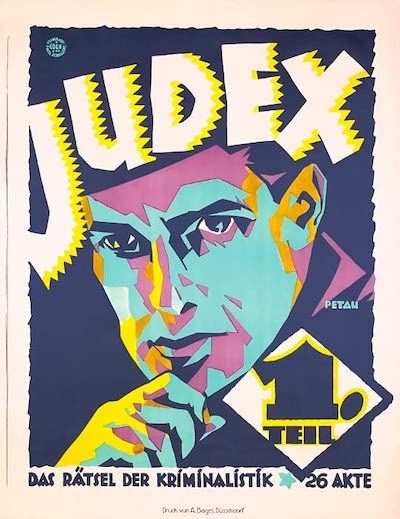

A twelve part serial following the adventures of the masked vigilante Judex as he fights against criminals led by the corrupt banker Favrauxom.Read More »
A twelve part serial following the adventures of the masked vigilante Judex as he fights against criminals led by the corrupt banker Favrauxom.Read More »

A surrealistic montage of pop culture that attacks the followers of the genre.
Quote:
Ett surrealistiskt montage som angriper popkulturen och konstvärlden av konstnären och filmaren Åke Karlung, en av den svenska experimentfilmens pionjärer.Read More »
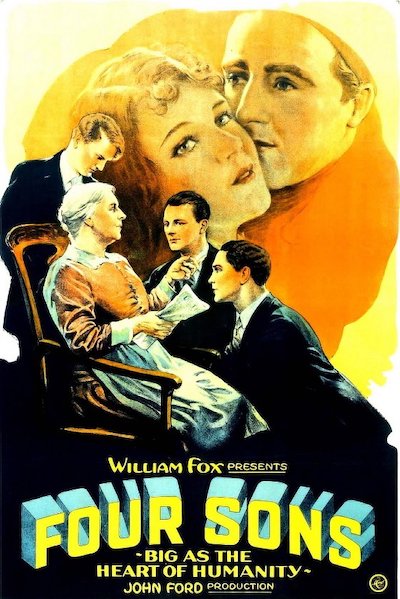
A Bavarian mother loses three sons in World War I and goes to America to join the fourth.Read More »
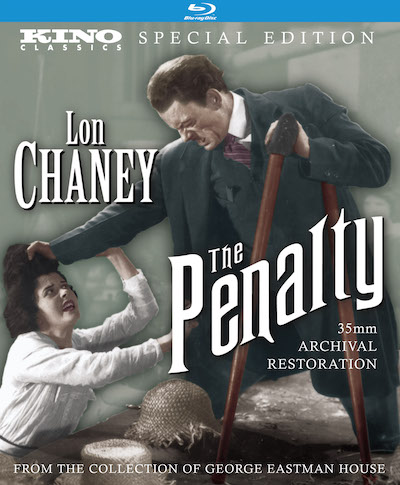
In a role that established him as one of the most dynamically terrifying performers of the silent screen, Lon Chaney stars in THE PENALTY, a grotesque thriller from director Wallace Worsley (The Hunchback of Notre Dame).
When an incompetent doctor amputates the legs of a young boy, he has no idea that the youth will grow up to be the immoral and embittered Blizzard, a criminal mastermind who orchestrates a bizarre and heinous plot to avenge himself upon his malefactor. THE PENALTY teems with irony and sexual menace as Blizzard befriends the surgeon’s daughter and serves as an artist’s model for her sculptural rendition of Satan, waiting for his moment to show the depth of his demonic desires.Read More »
Quote:
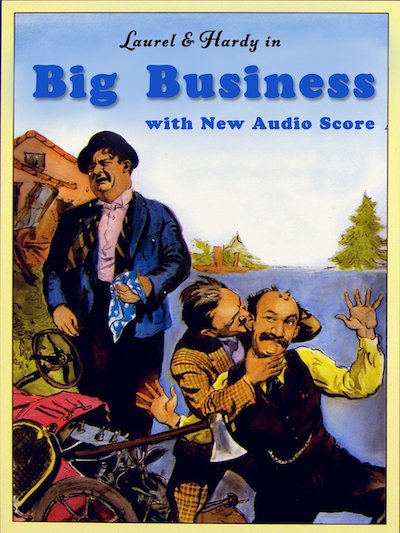
Brilliant farce propels two ineffectual Christmas tree salesmen (played by Laurel and Hardy) into a prolonged bout of savage destruction directed against a customer who refuses to buy. Mutual insults, tie snipping, and small violence escalate from controlled disturbance to surrealist cataclysm, in which the American Home is levelled once and for all.Read More »
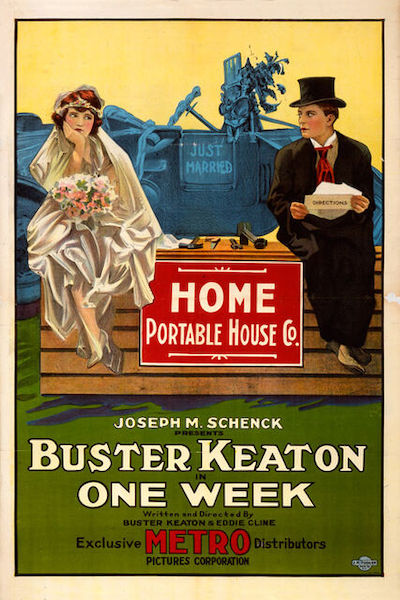
A newly wedded couple attempts to build a house with a prefabricated kit, unaware that a rival sabotaged the kit’s component numbering.Read More »

Synopsis
A soldier inaccurately reported as dead returns home to his Spanish family’s estate in California, only to find his father deceased and his ancestral land in the hands of strangers.Read More »

Synopsis:
After killing her treacherous step-father, a girl tries to escape the country with a young vagabond. She dresses as a boy, they hop freight trains, quarrel with a group of hobos, and steal a car in their attempt to escape the police, and reach Canada.Read More »
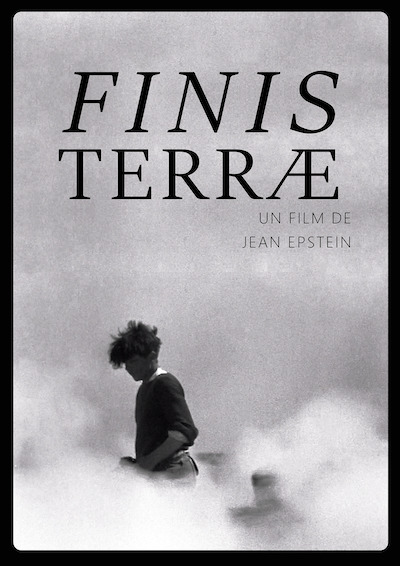
Synopsis:
The Ushant archipelago is a group of small islands situated off the coast of Brittany at the northwest extremity of France. Each year, four fishermen from the most populated island Ushant set up camp for three months on the uninhabited islet of Bannec to gather and process seaweed, producing a valuable soda-rich resource for factories along the coast. JeanMarie and Ambroise, the two youngest members of the four, fall out when the latter drops his friend’s last bottle of wine. Ambroise finds himself ostracised when Jean-Marie accuses him of stealing his pocket knife and then develops a fever when infection sets in on a hand wound. Read More »