

Synopsis
The story a famous Brazilian criminal, called The Red Light Bandit because he always used a red flashlight to break in the houses during the night. Working alone, he also used to rape his female victims.Read More »
Synopsis
The story a famous Brazilian criminal, called The Red Light Bandit because he always used a red flashlight to break in the houses during the night. Working alone, he also used to rape his female victims.Read More »

Kuroki, a journalist working for a newspaper, is investigating the clandestine sale of arms to Southeast Asia.Read More »
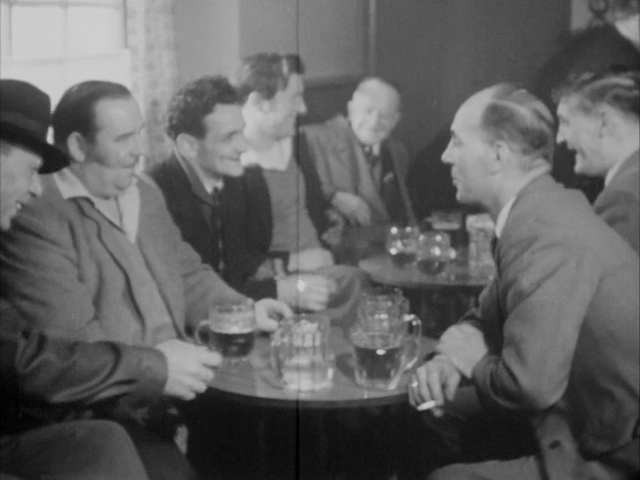
After a brief tutelage with innovative BBC documentary producer Denis Mitchell, Dennis Potter teamed with producer Anthony de Lotbiniere to film a documentary (later described by David Niven as “absolutely wonderful”). Returning to the Berry Hill roots of his childhood, Potter used interviews with locals (including his parents) to show changes in the working-class traditions of the Forest of Dean, where “the green forest has a deep black heart beneath its sudden hills, pushing up slag heaps and gray little villages clustering around the coal.”Read More »

Quote:
Marcel Ophuls’ four-and-a-half hour portrait of the French town of Clermont-Ferrand under German occupation from 1940-44 is one of the greatest documentaries ever made, as important as Claude Lanzmann’s Shoah in its value not just as a film but as an essential historical record in its own right – not least since its interviewees are all long dead.
Describing the fall of France and the rise of the Resistance, with the aid of newly-shot interviews and eye-opening archive footage including newsreels and propaganda films, Ophuls painstakingly crafts a complex, nuanced picture of what really happened in France over this period. He also demolishes numerous self-serving national myths to such an extent that, although he made the film for French television, they wouldn’t show it for over a decade.Read More »
Summary:
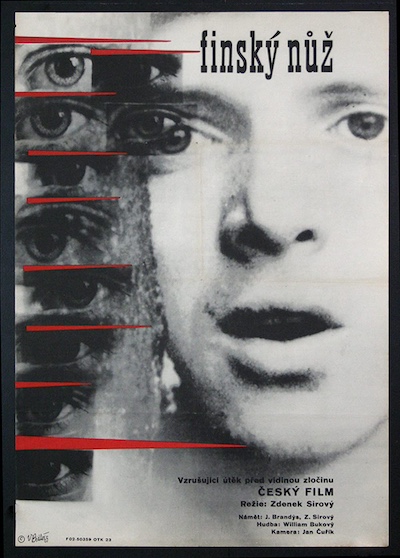
Director Zdeněk Sirový made his most important contribution to the Czechoslovak New Wave with the film Smuteční slavnost (Funeral Ceremonies, 1969). As a result, one of his earlier achievements, the intimate psychological drama Finský nůž (The Finnish Knife, 1965), has been somewhat overlooked. The main protagonists are two young men who have become convinced that they have killed someone in a fight that they unfortunately might have provoked. Twenty-year-old Tonda (Karel Meister) and seventeen-year-old Honza (Jaromír Hanzlík) flee from justice even before their guilt for the death has been determined. They make it to Poland but the tension between them mounts and after their return home they part ways… Besides the spectacular chiaroscuro in the camera work of Jan Čuřík, this intimate film offers a convincing testimony of a period wherein young people leading externally untroubled, purposeful lives were typically beset by deep internal fears and uncertainties about their place in life.Read More »

Synopsis:
A man bored with his wife goes to the Munich Oktoberfest. He meets a pregnant student who discusses the problems of bourgeois marriage with him and finally returns home disappointed. “The dialogues are peculiar, the man not very sympathetic, a feminist emphasis is occasionally perceptible that does not directly facilitate understanding. The men’s interest in women is examined, and whether this can be associated with love or merely with pastime, curiosity, frustration.” (Doris Kuhn: Die Stärke der Frauen, in: Formen der Liebe. Die Filme von Rudolf Thome, Marburg 2010)Read More »

From Klassiki:
One of the first films from Eastern Europe to explore the lives of the Roma in sympathetic detail, and to cast Romani-speaking Roma in order to do so, Aleksandar Petrović’s Cannes-winning classic builds a complex and humanistic narrative out of the misery of life in a Vojvodina village. Ill-fated romance leads the central trio of swaggering, mean-spirited Bora (Bekim Fehmiu), folk singer Lenče (Olivera Vučo), and young beauty Tisa (Gordana Jovanović) through a whirlwind of unforeseen circumstances, captured in striking colour and intricate period detail. Aleksandar Petrović was always the most accessible of the directors who made up Yugoslavia’s “Black Wave” avant-garde in the 1960s and ‘70s, and this tribute to unruly freedom is his most populist work.Read More »
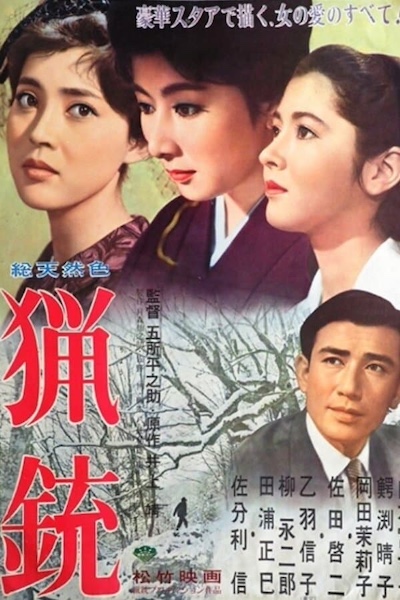
A woman adopts the child of her husbands’ ill mistress and raises her as her own.Read More »

Three women, a journalist, her French friend and a pop singer, deal with life, career, desire, sex and personal fantasies.Read More »