1921-1930

  • Abel Gance – La Roue (1923)

    Drama1921-1930Abel GanceFranceSilent

    29f7c043f76a2bde437fd0d52a185152

    Flicker Alley says…

    Quote:

    Never before released in the United States, this monumental French film is one of the most extraordinary achievements in the whole history of cinema. Written and directed by Abel Gance (Napoleon, J’Accuse), three years in production, and for its time unprecedented in length and complexity of emotion, La Roue pushed the frontiers of film art beyond all previous efforts. Said Gance, “Cinema endows man with a new sense. It is the music of light. He listens with his eyes.”Read More »

  • Sergei M. Eisenstein – Dnevnik Glumova AKA Glumov’s Diary (1923)

    1921-1930Sergei M. EisensteinShort FilmSilentUSSR

    http://2.bp.blogspot.com/_nDmwSDJNbj0/SjDUOMtHLRI/AAAAAAAADiM/FDnsUxyfP_c/s400/DnevnikGlumova_5.jpg

    29f7c043f76a2bde437fd0d52a185152

    The first film from Eisenstein.

    From allmovie

    ” Eisenstein’s interest in film began with an appreciation of the work of D.W. Griffith, whose editing style influenced him in the production of his first cinematic endeavor, the 1923 five-minute newsreel parody Dnevnik Glumova. A stint with Lev Kuleshov’s film workshop followed, as did an increasing fascination with the burgeoning avant-garde.”Read More »

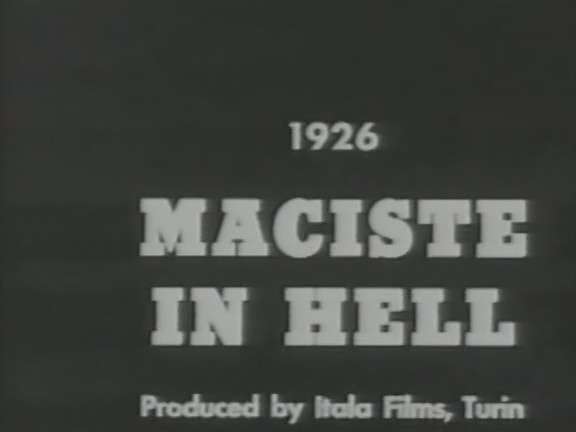
  • Guido Brignone – Maciste all’inferno AKA Maciste in Hell (1925)

    1921-1930Guido BrignoneItalian Cinema under FascismItalySilent

    http://img534.imageshack.us/img534/5104/bscap000qf9.jpg

    29f7c043f76a2bde437fd0d52a185152

    Scifilm wrote:
    Maciste is tempted by the devil, and ends up trapped in hell when he elects to fight him.

    Bartolomeo Pagano played Maciste in the 1914 movie CABIRIA; he must have liked the character; he ended up playing him repeatedly in a variety of movies over the next twenty years. I do wonder about the character’s position in time; CABIRIA took place in ancient Rome, but even if I’m not sure when this movie takes place, it’s certainly a much later period of time; Maciste wears a suit and tie through most of this, and at one point he is tempted with some shots of very modern cities indeed. Nonetheless, the fantasy element is very strong; the scenes in hell are great, with a huge cast of demons and fiends, including a couple of giant demons, a flying dragon, and some great special effects. It’s based at least partially on Dante’s “Inferno”, and it includes both Lucifer, Pluto and Proserpine as characters. I would love to have seen some of the other early Maciste movies just to see what the character’s story was, but this one and CABIRIA are the only ones I know exist for sure. It’s definitely worth a look for people interested in creative visions of hell; the movie apparently served as an inspiration both for Mario Bava and Federico Fellini.Read More »

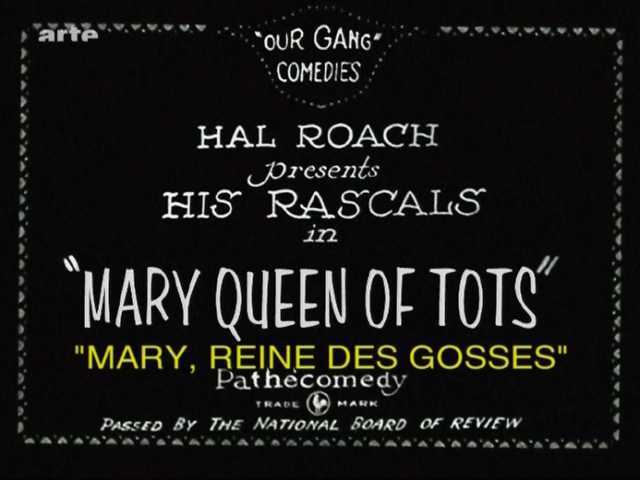
  • Robert F. McGowan – Mary, Queen of Tots (1925)

    1921-1930ComedyRobert F. McGowanSilentUSA

    29f7c043f76a2bde437fd0d52a185152

    A couple makes dolls modeled on neighborhood kids. A gardener at a mansion buys four of them for Mary, the girl of the house. He’s her only friend: her parents neglect her for work and card games and her governess is humorless. Mary loves the dolls and dreams of them during her nap. While Mary sleeps, the governess throws the dolls in the dust bin. Mary wakes and goes searching – outside she runs into the very same four kids who were the dolls’ models, and she thinks she’s still dreaming. She invites them back to the mansion where she’ll either make fast friends or the gang will need to make a fast getaway when the governess finds them.Read More »

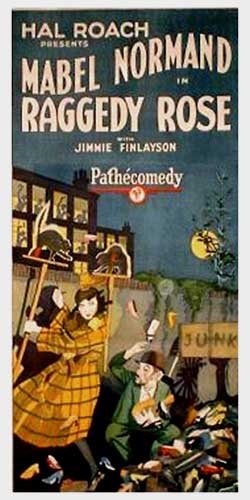
  • Richard Wallace – Raggedy Rose (1926)

    1921-1930ComedyRichard WallaceSilentUSA

    29f7c043f76a2bde437fd0d52a185152

    Rose, who works for a penny-pinching junk dealer, dreams of romance with wealthy bachelor Ted Tudor.
    Read More »

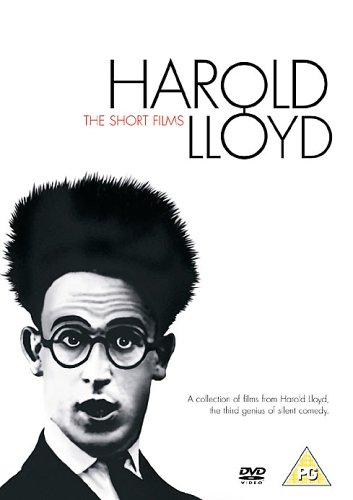
  • Harold Lloyd Films and Shorts (1920’s)

    USA1921-1930Harold LloydShort Film

    http://ecx.images-amazon.com/images/I/41S%2BcyGMTmL.jpg

    1. Ask Father
    2. Billy Blazes Esq
    3. Bumping into Broadway
    4. From Hand to Mouth
    5. Haunted Spooks
    6. An Eastern Westerner
    7. High and Dizzy
    8. Get Out and Get Under
    9. Number Please
    10. Now or Never
    Read More »

  • Robert Wiene – I.N.R.I. AKA Crown of Thorns (1923)

    1921-1930DramaGermanyRobert WieneSilentWeimar Republic cinema

    Free Image Hosting at www.ImageShack.us

    29f7c043f76a2bde437fd0d52a185152

    By the director of Cabinet of Dr.Caligari, this is the Passion embedded in a contemporary story. An anarchist jailed for an attempted assassination is told the Passion story by the prison chaplain, who seeks to convince him that it is better to sacrifice ones own life than take the life of ones enemy. The framing story, taken from a novel, is believed to have been intended to give the Biblical story an anti-Bolshevist propaganda function. In any case, it was added without the knowledge of the actors in the Passion story, who included some of the major stars of the period Asta Nielsen as Mary Magdalene, Henny Porten as Mary, Grigori Chmara as Jesus, and Werner Krauss as Pontius Pilate -bampfa.berkeley.eduRead More »

  • Friedrich Ermler – Parizhskii sapozhnik AKA The Parisian Cobbler AKA Paris Shoemaker (1927)

    1921-1930DramaFriedrich ErmlerSilentUSSR

    29f7c043f76a2bde437fd0d52a185152

    Friedrich Ermler (1898-1967) remains one of the shadowy figures of the early Soviet cinema, known if at all for his psychological parable Fragment of an Empire. But he was a major force among the Leningrad filmmakers of the 1920s and ’30s, whose sympathies lay closer to youth and realism than to the monumental frescoes of the Moscow ‘masters.’ The Parisian Cobbler is impossible to hide from inquisitive looks and gossips in a small provincial town. Film tackled a controversial theme head-on: the sexual exploitation of women by party activists in the name of ‘free love.’ Hapermill worker, Young Communist Leaguer Katya and Andrei are not hiding their love. All of a sudden Katya’s radiant hopes break to pieces: Andrei is indignant to hear the news that Katya is expecting a baby. He does not want “to change diapers”, this “trivial life” will interfere with his plans to “build bright future”. Katya is befriended by a cobbler who, as a mute, knows what it is to be a social outcast. Ermler’s spare and uncompromising style reveals the extent to which realism was already on the agenda before it became a repressive slogan in the mid-thirties. As usual with Ermler, the film is not only about a problem, but is also about everyday life.Read More »

  • Yasujirô Ozu – Daigaku wa detakeredo aka I graduated but… (1929)

    1921-1930DramaJapanYasujiro Ozu

    29f7c043f76a2bde437fd0d52a185152

    大学は出たけれど

    Yasujirô Ozu wrote:
    I cast Takada Minoru and Tanaka Kinuyo for the first time in this film. I had made a good number of student films, but when it came to filming young actors, it was hard to go beyond the old themes of salarymen or college life. However, in those days, the images of white-collar types were limited. As for students, they were of course a different breed from the ones nowadays, who get into fights with the police. They were all very carefree, and comparatively easy fodder for jokes in nonsense comedies. Shimizu Hiroshi originally wanted to direct this film, but somehow, the script fell into my lap. I thought, if I was determined to be a director, then I must get to grips with any genre and make every film as well as I could. It’s all very well for the so-called film auteur to have artistic ideas but one also needs the professional flair for handling all the different aspects of filmmaking. Admittedly, excessive professionalism could spell trouble, but I was nonetheless extremely grateful for the chance to develop my professionalism through making these kinds of films.Read More »

Back to top button