1950s

  • Ingmar Bergman – En lektion i kärlek AKA A Lesson in Love (1954)

    Arthouse1951-1960ComedyIngmar BergmanSweden

    Quote:
    One of Ingmar Bergman’s most satisfying marital comedies, A Lesson in Love stars the droll and sparkling duo of Eva Dahlbeck and Gunnar Björnstrand as a couple deep into their married years and seeking fresh pastures. Björnstrand’s gynecologist falls for one of his patients (Yvonne Lombard), while his wife flounces off to Copenhagen to renew her fling with a sculptor (Åke Grönberg). Deftly interspersing scenes of farce with interludes of tranquil reflection, A Lesson in Love serves as an aperitif before the full-blown comic brilliance of Smiles of a Summer Night the following year.Read More »

  • Guy Lefranc – Une Histoire d’Amour AKA Young Love (1951)

    Drama1951-1960FranceGuy Lefranc

    Caherine, 18, loved Jean, a young accountant, who loved her in return. And yet, one morning, two policemen find their dead bodies on a stretch of waste ground. The case is obvious: the two young people have killed themselves. But why? Chief Inspector Ernest Plonche, feeling upset, decides to investigate personally…Read More »

  • Jerzy Kawalerowicz – Prawdziwy koniec wielkiej wojny AKA Real End of the Great War (1957)

    1951-1960DramaJerzy KawalerowiczPoland

    Polish filmmaker Jerzy Kawalerowicz, who helped define the Polish School of the 1950s and 1960s with Andrzej Wajda, offers a melancholy meditation on the impact of WWII and the Holocaust.Roza and Juliusz marry just before the outbreak of WWII in Poland. When Juliusz is deported to a concentration camp, Roza fears the worst. Convinced he will never return, she falls in love with another man and starts a new life. When Juliusz returns after the war, Roza reluctantly tries to care for him but her life has changed and his scars are too deep. (-Polart)Read More »

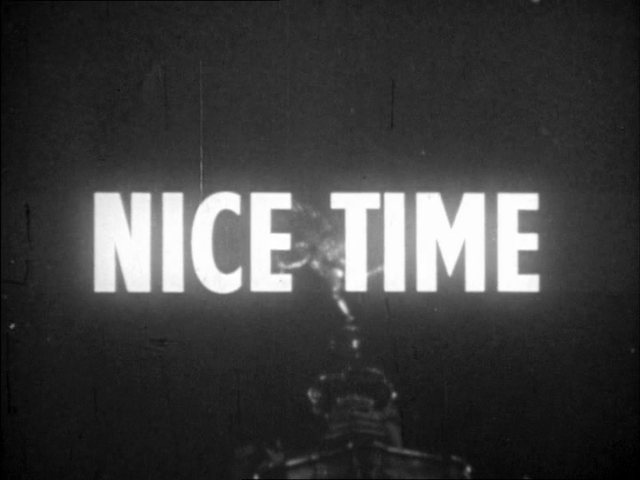
  • Claude Goretta & Alain Tanner – Nice Time (1957)

    1951-1960Alain TannerClaude GorettaDocumentaryShort FilmUnited Kingdom

    Synopsis

    In September 1956, two young Swiss film enthusiasts, Claude Goretta and Alain Tanner applied for a grant from the British Film Institute to finance a film about London’s Piccadilly on Saturday night. Both in their mid-twenties, they were working at the BFI, where they had met Lindsay Anderson and the other Free Cinema members, as well film critics like Derek Prouse and John Berger, who offered encouragement and support.Read More »

  • John Ford – The Rising of the Moon (1957)

    1951-1960ComedyDramaJohn FordUSA

    John Ford returned to his Irish roots in this lighthearted gem featuring three short films introduced by Tyrone Power and shot entirely in Ireland.

    The first, “The Majesty of the Law”, is the droll tale of a police inspector (Cyril Cusack) trying to serve a warrant on an old man (Noel Purcell) who assaulted his neighbour.

    “A Minute’s Wait” tells the farcical story of how a train’s one-minute station stop turns into a two-hour delay. Filmed on the late, lamented West Clare Railway.Read More »

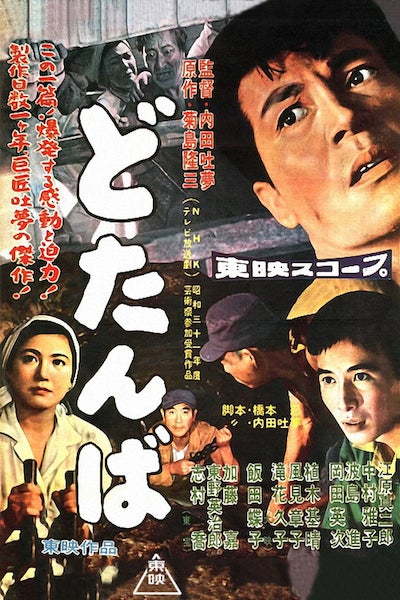
  • Tomu Uchida – Dotanba AKA The Eleventh Hour (1957)

    1951-1960AsianClassicsJapanTomu Uchida

    Quote:
    Based on a 1956 television feature on Japan’s national network, NHK, this is one of Uchida’s rarest films. A socially conscious drama with a contemporary backdrop, Dotanba focuses on the attempts to rescue a group of trapped miners. The title is a figure of speech — (essentially “last minute” or “eleventh hour”) — that refers to a situation of peril. The film boasts a script co-written by Uchida and Akira Kurosawa’s frequent screenwriter, Shinobu Hashimoto, and stars Kurosawa’s frequent star Takashi Shimura.Read More »

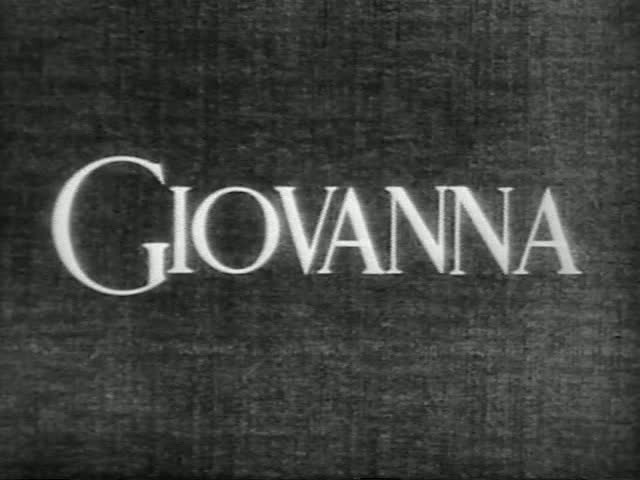
  • Gillo Pontecorvo – Giovanna (1955)

    1951-1960DramaGillo PontecorvoItalyPolitics

    This short is set in the early 1950s in a small textile factory in central Italy (Prato). Giovanna and her fellow female workers decide to enact a protest against the direction of the factory’s dismissal plan, by occupying the factory and continuing to work until the proprietor cancels the dismissals. None of these women can really afford to lose their jobs, as it is the only income in the family. All workers receive moral and material support from their families, apart from Giovanna, who bravely endures her husband’s disapproval. Almost all the women hold out for thirty-five days in spite of the proprietor’s attempts to break their resistance. At first he blocks the road to the factory, then he cuts off electric power to increase their isolation; finally, he tries to convince them to accept the dismissal of at least a smaller number of them. But the women overcome these obstacles, determined to resist… (IMDB)Read More »

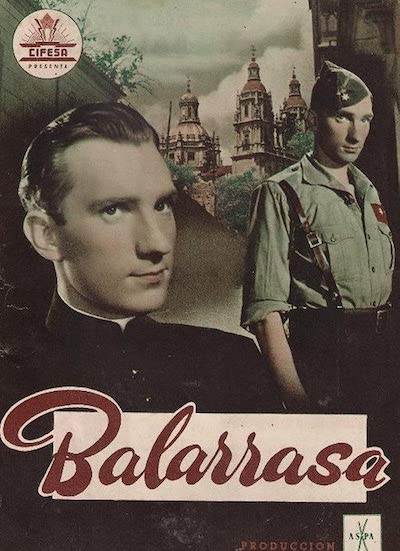
  • José Antonio Nieves Conde – Balarrasa AKA Reckless (1951)

    1951-1960DramaJosé Antonio Nieves CondeSpainSpanish cinema under Franco

    Reckless (Spanish: Balarrasa) is a 1951 Spanish drama film directed by José Antonio Nieves Conde. It was entered into the 1951 Cannes Film Festival.

    Quote:
    Javier Mendoza, a Spanish missionary known as Balarrasa, recalls his life while waiting for the worst after being trapped in a snowstorm in Alaska. Of disorderly life in his youth, during the Civil War he suffered a traumatic event, when playing cards with the guard that played with his companion. He loses and dies while replacing him. Followed by the sensation of guilt, he decides to straighten its life and enters the seminary.Read More »

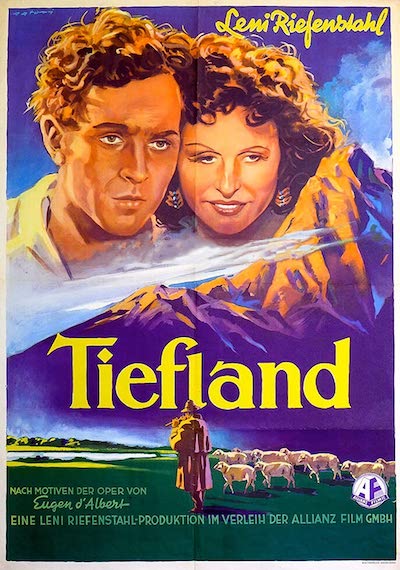
  • Leni Riefenstahl – Tiefland (1954)

    1951-1960GermanyLeni RiefenstahlMusicalRomance

    After spending the 1930s as the Third Reich’s principal cinematic chronicler, Leni Riefenstahl returned to fictional films with Tiefland. According to Riefenstahl, she had refused to make any more propaganda pictures–“for good reasons,” she explained enigmatically–choosing instead to direct a period romance, based on an old Spanish play and opera by Eugen d’Albert. Riefenstahl cast herself as the central character, Marta, a Spanish dancer who becomes the romantic bone of contention between humble shepherd Franz Eichberger and imperious marquis Bernhard Minetti. While the material seems to cry out for music, Riefenstahl plays the story straight, though much of the acting can certainly be described as operatic.Read More »

Back to top button