
A response to a poem about concrete and city, by way of fauna and nature.Read More »
A response to a poem about concrete and city, by way of fauna and nature.Read More »


Quote:
Made in 1971 for French TV, the epic LA MAISON DES BOIS
comes from early in the Pialat’s belated
feature-filmmaking career. Rather like Loach’s DAYS OF
HOPE (Cinémathèque 2004) or Edgar Reisz’s HEIMAT
series, it begins in costume drama and an ethnographic
view of rural French life during World War One, and in
an apparently sentimental tale of war orphans. But
then it irises out from costume drama conventions into
the transcendental, exploring Pialat*s spiritual
themes, as well as the social dynamics, trauma and
collective experiences of war.Read More »

Synopsis:
Four men gather at an Italian restaurant. They talk about women. On the surface, it appears like a men’s type of film but it reveals something altogether different as it progresses.Read More »
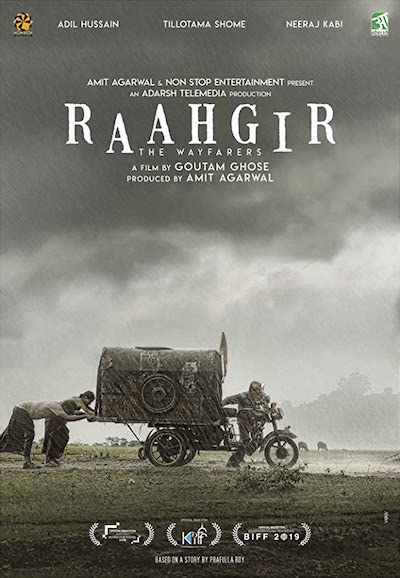
Nathuni and Lakhua are driven by hunger across the undulating terrain of Jharkhand to the nearest town. Nathuni has a paralytic husband and two children, while Lakhua is a loner, perpetually on the fringes of survival. When the monsoon clouds overpower the sky, they encounter Chopatlal, whose makeshift van is stuck in the mud as he carries an ailing old couple to the hospital.Read More »

The Story of Ones gives a face and a sense of place to the unseen and offers a personal counterpoint to the officially sanctioned. Like entering a roomful of stories, the viewer steps into an unfamiliar space guided only by the sound of the Vietnamese state radio tuning in to lifestyle programming, call-in shows and radio dramas. Portraits of daily life are layered atop the aural landscape creating questions and humorous situations and offering the viewer whole new perspectives on what once seemed normal.
Utilizing the banality of Vietnamese state radio broadcasts, this short film gives a face and a sense of place to the unseen and offers a personal counterpoint to the officially sanctioned.Read More »
Quote:
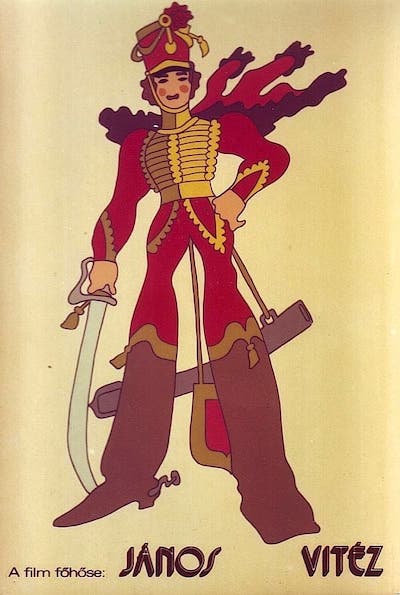
A traditional Hungarian poetic fairytale that describes the epic adventures of a young shepherd through love, war, magic, and death.Read More »
Quote:
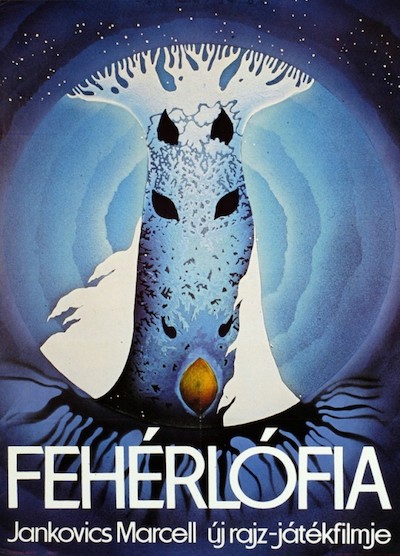
The history of Hungarian animation begins in 1914 and carries through to the modern day. Starting with short promotional cartoons prior to the two World Wars, Hungarian animation underwent a sporadic and halting development during the turbulent war years which were characterized in large part by the emigration of much of the field’s top talent. This exodus slowed dramatically during the 1950s when the Hungarian Communist Party took power and the Iron Curtain took shape.Read More »

In Montauban in 1944, Julien Dandieu in a surgeon in the local hospital. Frightened by the German army entering Montauban, he asks his friend Francois to drive his wife and his daughter in the back country village where Julien has an old castle. One week later, Julien decided to meet then for the week end, but the Germans are already occupying the village.Read More »
Quote:
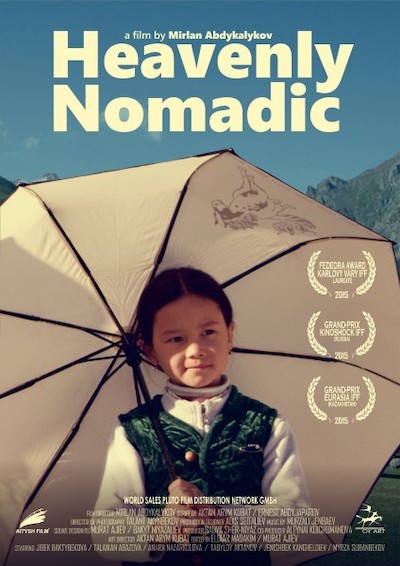
A family of nomads live in the high, remote mountains of Kyrgyzstan in Central Asia; elderly herdsman Tabyldy, his wife Karachach, their daughter-in-law Shaiyr and their 7 year old granddaughter Umsunai. Shaiyr’s son studies in the city and visits them only during the summer holidays. Her husband died many years ago when he was drowned in a mountain river, trying to save a foal. Shaiyr decided to stay with the family due to her strong attachment to the wonderful land and its people. The family breed horses and life goes on as normal amidst the beautiful scenery of the mountain gorge. But another resident of the area appears in Shaiyr’s life, meteorologist Ermek, whose weather station is located near to the family’s home…Read More »