Mikio Naruse’s final silent film is a gloriously rich portrait of a waitress, Sugiko, whose life, despite a host of male admirers and even some intrigued movie talent scouts, ends up taking a suffocatingly domestic turn after a wealthy businessman accidentally hits her with his car. Featuring vividly drawn characters and bold political commentary, Street Without End is the grandly entertaining silent melodrama with which Naruse arrived at the brink of the sound era.Read More »
-
Mikio Naruse – Kagirinaki hodô AKA Street Without End (1934)
1931-1940DramaJapanMikio NaruseSilent -
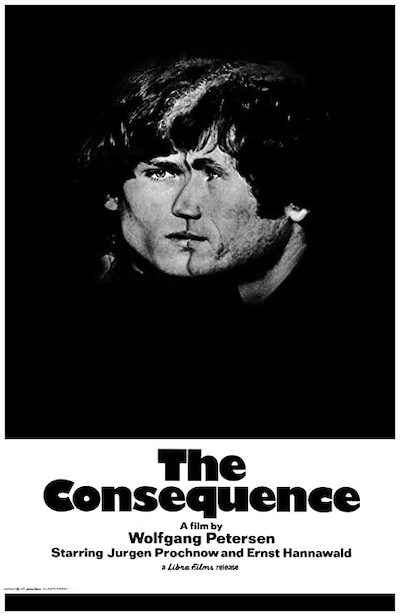
Wolfgang Petersen – Die Konsequenz AKA The Consequence (1977)
Wolfgang Petersen1971-1980DramaGermanyQueer Cinema(s)Quote:
Thomas, the son of a prison warden, falls for and seduces inmate Martin. When Martin is released from jail, they try to build a relationship and a life together but no one will let them alone.Read More » -
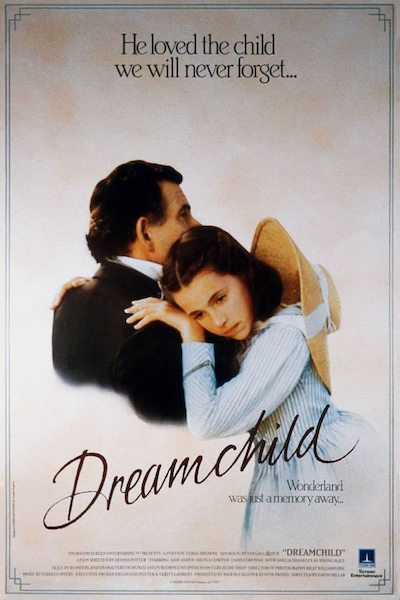
Gavin Millar – Dreamchild (1985)
1981-1990DramaFantasyGavin MillarUnited KingdomQuote:
Dreamchild: A Film Essay by Elwin CotmanDreamchild, directed by Gavin Millar: “What was that name that Lewis Carroll used to call you?”
“That’s right. Dreamchild.”
That is a beautiful movie poster. Made doubly so by the fact that, in the movie, the moment it illustrates most likely didn’t happen. Dreamchild, the first film made by the Jim Henson Creature Shop without the auteur’s input, is a film about memory. What happened, what we wish had happened, what we wish we could take back. It is also, like the poster, beautiful.Read More »
-
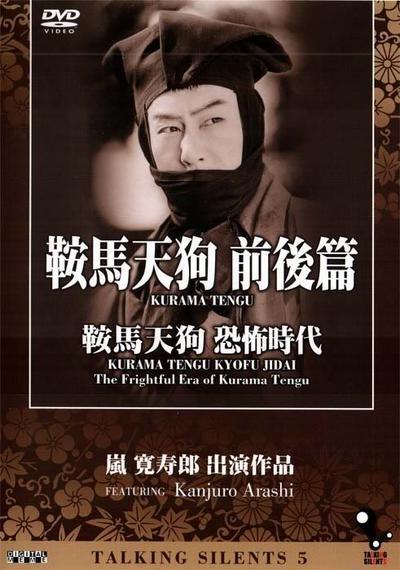
Teppei Yamaguchi – Kurama Tengu (1928)
1921-1930ActionJapanSilentTeppei YamaguchiIt is 1862 and many young rebellious samurai oppose the Tokugawa Shogunate, strongest among them is Kurama Tengu with his friends Kichibei and Sugisaku, but facing them is the powerful Isamo Kondo and the Shinsengumi.Read More »
-
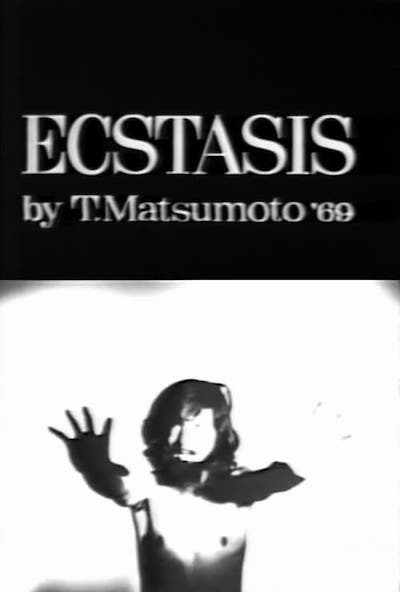
Toshio Matsumoto – Ecstasis (1969)
1961-1970ExperimentalJapanShort FilmToshio Matsumoto

Ecstatis is a short minimalist experimental film by Toshio Matsumoto that is partly featured in Funeral Parade of Roses.Read More »
-
Emir Kusturica – Bife ‘Titanik’ (1980)
Emir Kusturica1971-1980DramaTVYugoslaviaFilm description from kustu.net:
Quote:
Titanic has almost nothing to do with the steamer of the same name. Based on a short story of Ivo Andrić, famous Yugoslav Nobel Prize, this film is set in Sarajevo. But the catastrophe is nevertheless coming. Often badly translated under the title of Buffet Titanic, it is in fact the Titanic Bar, the name of the bar of jewish Mento Papo, character physically and psychologically marked by its doubts and its defects : its establishment is hiding a prohibited back gaming room, he is rather easy on drinking, he does not cease quarreling with his concubine, he is scorned by the Jews of Sarajevo, etc. The story is set during the Second World War, and when the news of the war arrive in Bosnia, Mento Papo is not ready.Read More » -
May el-Toukhy – Dronningen AKA Queen of Hearts (2019)
2011-2020DenmarkDramaMay el-ToukhyThrillerQuote:
Anne, a successful lawyer, lives in a beautiful modernist home with her two daughters and physician husband, Peter. Yet when Gustav, Peter’s troubled teenage son from another relationship, comes to live with them, she forms an intimate bond with him that jeopardizes her perfect life. And what initially seems like a liberating move for her soon turns into a disturbing story of power, betrayal, and responsibility with devastating consequences.Read More » -
Bertrand Tavernier – L’horloger de Saint-Paul AKA The Clockmaker of St. Paul (1974)
1971-1980Bertrand TavernierCrimeDramaFranceQuote:
Post-’68 France as “a curious country” of befuddled fathers and obscured revolutionaries. The middle-aged Everyhomme (Philippe Noiret) is a widowed watch-tinkerer in Lyon, who gets his politics from TV news and “likes to be legal” too much to cross a red light on an empty street. The necessary shock arrives: His son (Sylvain Rougerie) is on the run, having killed a factory security guard. Gallicizing Georges Simenon’s novel, Bertrand Tavernier handles the moment with control, self-effacement, and muted compassion: Noiret’s dazed bus ride back home after being told the news, the activist paraphernalia in the boy’s room (scrawled on the wall is Céline’s dictum about pastoral battlefields) unnoticed by an imploding father fumbling for a bed.Read More » -
Yasuo Furuhata – Gendai yakuza: yotamono jingi (1969)
1961-1970AsianCrimeJapanYasuo FuruhataBack after four years, Goro learns his younger brother’s been thrown out of the gang and his girlfriend’s married another man. It’s payback time.Read More »