Japan

  • Hisao Kurosawa – A Message from Akira Kurosawa: For Beautiful Movies (2000)

    1991-2000Akira KurosawaArthouseDocumentaryHisao KurosawaJapan

    29f7c043f76a2bde437fd0d52a185152

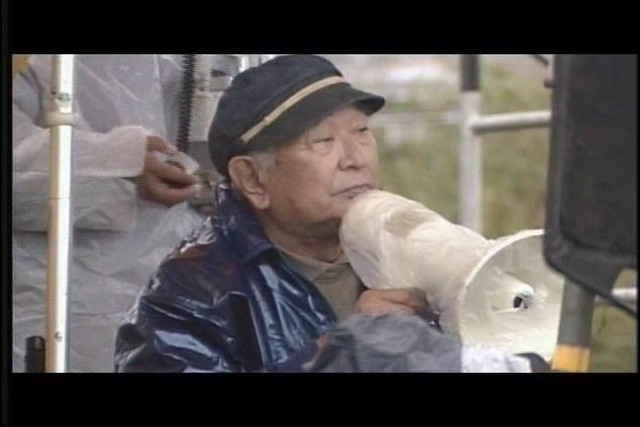
    A Documentary in 10 parts covering the filmmaking of Kurosawa around the theme of making the perfect movie or as he says: A Beautyful Movie.

    Kurosawa on filmmaking.

    Chapter 1 – The seed of a film
    Chapter 2 – Screenplays
    Chapter 3 – Storyboards
    Chapter 4 – Filming
    Chapter 5 – Lighting
    Chapter 6 – Production design
    Chapter 7 – Costumes
    Chapter 8 – Editing
    Chapter 9 – Music
    Chapter 10 – Directing
    Read More »

  • Shuji Terayama – Tomato Kecchappu Kôtei aka Emperor Tomato Ketchup (1971)

    1971-1980AsianCultJapanShuji Terayama

    29f7c043f76a2bde437fd0d52a185152

    Synopsis
    EMPEROR TOMATO KETCHUP is Terayama’s epic, sexually revolutionary and hallucinatory work from 1972 in which magical women act as the initiatory, yet protectively maternal sexual partners to children. The children, in revolt, have condemned their parents to death for depriving them of self-expression and sexual freedom; they create a society in which fairies and sex education are equally important and literally combinable.Read More »

  • Shuji Terayama – Saraba Hakobune aka Farewell To The Ark (1984)

    1981-1990AsianFantasyJapanShuji Terayama

    29f7c043f76a2bde437fd0d52a185152

    In a tale that is visually stunning in certain segments, director Shuji Terayama (who died before this movie was released) has woven a spell of magic and social reprobation around the forbidden love of two cousins. Su-e (Mayumi Ogawa) and her cousin Sutekichi (Tsutomu Yamazaki), a descendant of one of the village clans, live together but have been forbidden by her father to have sexual contact. Like other villagers, he believes that if cousins have children together, the children will suffer serious birth defects. His remedy is to make Su-e wear a large, ugly chastity belt. Unable to take the ridicule of his fellow villagers, Sutekichi stabs the head of the clan to death and then runs away with Su-e. After some time elapses, the two make their way back to the village, but by then Sutekichi is suffering the effects of his actions…
    Read More »

  • Shinya Tsukamoto – Bullet Ballet (1998)

    1991-2000AsianCrimeJapanShinya TsukamotoThriller

    29f7c043f76a2bde437fd0d52a185152

    Quote:

    Carrying a gun

    If there were awards for great titles then Bullet Ballet would surely be up for a gong or two. At once suggesting both violence and elegance, it sounds like the perfect Hong Kong era John Woo film, an all-action but balletic explosion of slow-motion gunplay that became the director’s trademark. But this isn’t John Woo, this is Shinya Tsukamoto, a director whose deeply personal style is a million miles from Woo’s slickly filmed action works. Tsukamoto’s concerns are far more localised, to the city in which he lives, to his neighbourhood, to his own body, and his cinematic style is far edgier and more dangerous. Which is not to knock Woo in any way, but nowadays when Woo is making the vacuous Paycheck, Tsukamoto is making the extraordinary A Snake of June. He is one of those rare directors who has never sold out and never compromised his vision. Tsukamoto is the very personification of a great outsider film-maker.Read More »

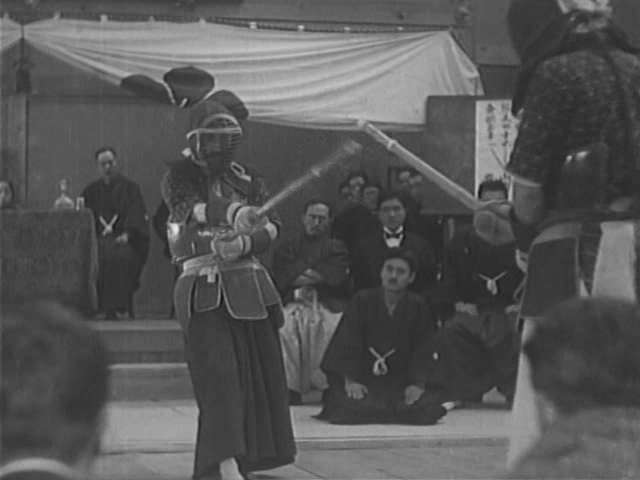
  • Teppei Yamaguchi – Kurama Tengu [+Extras] (1928)

    Japan1921-1930SilentTeppei Yamaguchi

    29f7c043f76a2bde437fd0d52a185152

    Quote:
    In the past, screenings of silent films in Japan were extremely lively events that featured various sounds. Katsudo benshi, or motion picture narrators delivered passionate and eloquent narrations. Live music accompanied their performance. The period drama films in particular featured a new performance format that combined music played on Western and Japanese instruments, a collaboration impossible in a normal concert. The music of trumpets and violins blended with the sounds of shamisen and Japanese drums. In the climax scene, when our hero, the righteous samurai Kurama Tengu, rushed in on his horse to fight the Shinsengumi, the audience erupted in applause. Between sets, children selling rice crackers and other delicacies crisscrossed the theater shouting “Senbei, caramels” at the top of their lungs. In the Kurama Tengu series, the plot revolved around the adventures of the brave samurai Kurama Tengu and his loyal friend, the boy Sugisaku, so crowds of enthusiastic children loudly applauded the feats of their heroes.Read More »

  • Yasujirô Ozu – Shukujo to hige aka The Lady And The Beard [+Extras] (1931)

    1931-1940DramaJapanSilentYasujiro Ozu

    http://img854.imageshack.us/img854/2594/vlcsnap2012031622h52m39.png

    29f7c043f76a2bde437fd0d52a185152

    The Lady and the Beard, directed by Yasujiro Ozu and starring Tokihiko Okada, is a charming light comedy about a young man who graduates from college, falls in love, shaves his beard at his lady’s suggestion, and finds a job. It’s very charming, and very light. Even my brief summary suggests more plot than actually exists. The film is largely a series of comic vignettes about a vibrant young man and three young women of differing temperaments who take an interest in him. [commentarytrack.com]
    Read More »

  • Naomi Kawase – Sharasojyu aka Shara (2003)

    2001-2010ArthouseAsianDramaJapanJapanese Female DirectorsNaomi Kawase

    29f7c043f76a2bde437fd0d52a185152

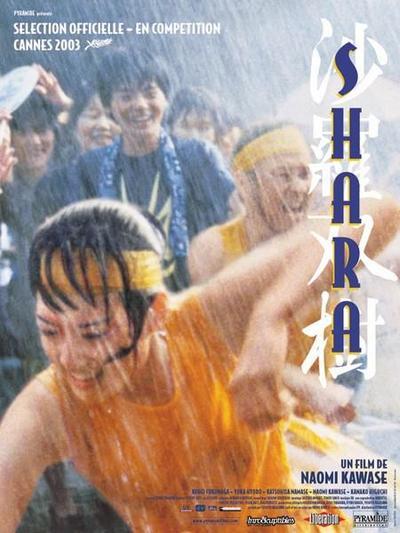
    A film about mourning and its eventual passing. Like in Antonioni’s L’avventura and in Fahrhadi’s About Elly, the unexplained, unresolved disappearance of a central character puts into motion the complex interplay between the public and personal dimension of mourning. Kawase herself plays the mother who, seven years after the disappearance of one of her twins, is heavily pregnant again. This coincides with upsetting news from the authorities. The family and neighbours and friends are plunged once more into the work of mourning. But by means of an extraordinary street festival, a family ceremony of acceptance in which the curse of the disappeared is at last transformed into a benign omen for the coming birth, and the birth of a new family member the trance-like state of collective dissociation is broken. Ultimately, it is not just the disappeared twin who can pass on to the next life in peace, but the entire family. The three core scenes, the festival, the ceremony, and the birth are overwhelmingly effective, in part due to Kawase’s (and her team’s) subtle control, in part due to the impossible admixture of calm and joyous exuberance. If the ending does suggest notions of rebirth, release from the curse of eternal return and memory, it is accomplished, like the entire film, in the absence of dogma. There is no lesson here other than that life ought to be gentle.Read More »
  • Takashi Ishii – Hana to hebi aka Flower and Snake (2004)

    2001-2010EroticaExploitationJapanTakashi Ishii

    29f7c043f76a2bde437fd0d52a185152

    Synopsis
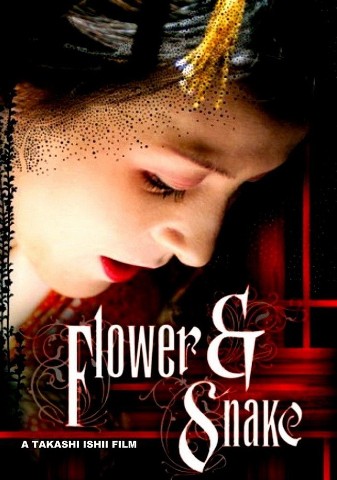
    In this erotically charged drama, Shizuko (Aya Sugimoto) is a beautiful and talented dancer who feels like her husband no longer cares for her, and has begun to indulge in sexual fantasies of sadomasochistic edge play. When her husband falls deep in debt to a powerful gangster, Shizuko is kidnapped by members of the yakuza and held for ransom until he makes good on what he owes. To prove they mean business, the gangsters force Shizuko to take part in a series of perverse S & M performances, but Shizuko finds that her “punishment” is beginning to reflect the rough treatment of which she’s been dreaming. Hana to Hebi (aka Flower and Snake) was written and directed by Japanese underground auteur Takashi Ishii, adapted from a novel by Oniroku Dan. ~ Mark Deming, All Movie GuideRead More »

  • Keigo Kimura – Fûten Rôjin nikki aka Diary of a Mad Old Man (1962)

    1961-1970AsianDramaJapanKeigo Kimura

    29f7c043f76a2bde437fd0d52a185152

    Quote:

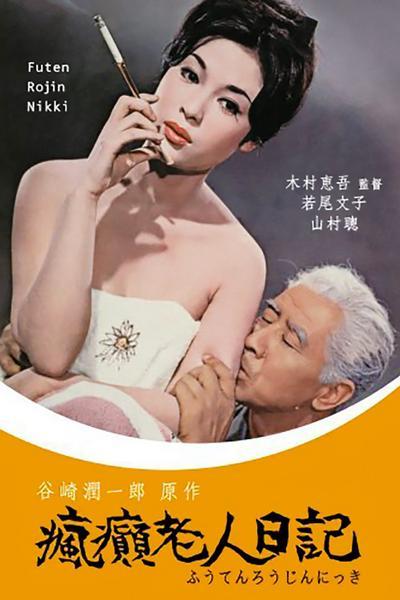
    Diary of a Mad Old Man is the journal of Utsugi, a seventy-seven-year-old man of refined tastes who is recovering from a stroke. He discovers that, while his body is decaying, his libido still rages on — unwittingly sparked by the gentle, kindly attentions of his daughter-in-law Satsuko, a chic, flashy dancer with a shady past. Pitiful and ridiculous as he is, Utsugi is without a trace of self-pity, and his diary shines with self-effacing good humor. At once hilarious and of a sadness, Diary of a Mad Old Man is a brilliant depiction of the relationship between eros and the will to live — a film of the tragicomedy of human existence.Read More »

Back to top button