Drama

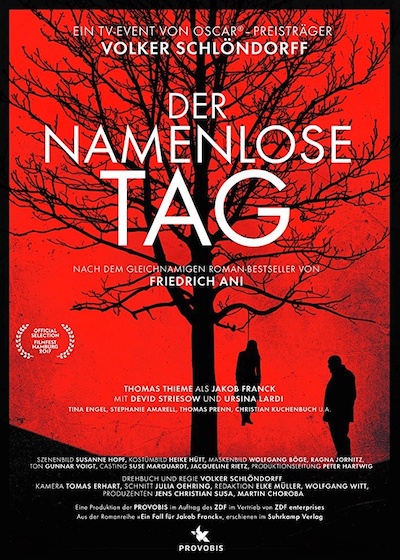
  • Volker Schlöndorff – Der Namenlose Tag AKA The Nameless Day (2017)

    Volker Schlöndorff2011-2020CrimeDramaGermany

    Der namenlose Tag is Volker Schlöndorff’s first-ever TV crime drama…

    Ludwig Winter visits retired crime investigator Jakob Franck and refers to the death of his 17-year-old daughter, Esther, a death filed as a suicide. Winter is convinced that it was murder and asks Franck to reopen the case. In flashbacks we learn that Esther was found hanging from a tree in a park. Forced to bring the bad news to Natalie’s mother, Franck ended up consoling her for the next seven hours. Later, this mother, unable to live with such a tragedy, commits suicide. Several characters bring the plot forward: Sandra (best girlfriend), Jan (boyfriend), Jordan (small boy), Rosie (older lady). Franck habitually solves cases by lying on his comfortable bed and staring at the ceiling until an idea pops into his head.Read More »
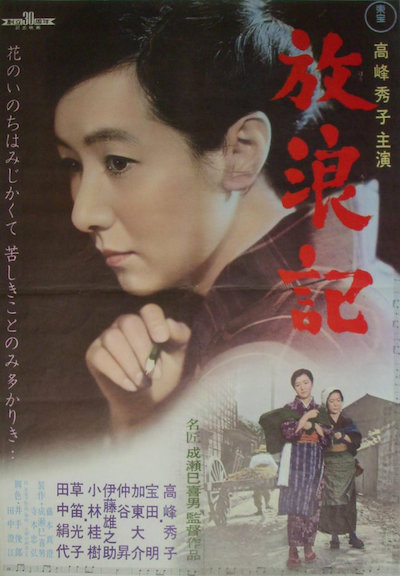

  • Mikio Naruse – Hourou-ki aka Her Lonely Lane (1962)

    Mikio Naruse1961-1970AsianDramaJapan

    A dramatized biography of Fumiko Hayashi, the noted Japanese writer. Born to improverished parents Fumiko does all she can to earn money enough to support herself. Along the way she gets invovled with various men, good and bad.Read More »

  • Dina Duma – Sestri AKA Sisterhood (2021) (HD)

    2021-2030Dina DumaDramaMacedonia

    Jana and Maya are inseparable friends who fancy a guy at school, but their classmate gets there first. The friendship of the two adolescent girls is, however, threatened the moment they have to face the dire consequences of their manipulative behaviour. This subtle debut is set in the teen community, for whom amassing followers on social media is more important than cultivating genuine relationships. The film adopts an authentic approach to capture the formative moments of youth, which teach us to accept responsibility for our actions. The end result is a psychological probe in which Dina Duma betrays an unquestionable talent for depicting intimacy and rivalry between teenage girls, along with a seasoned gift for steering her cast.Read More »

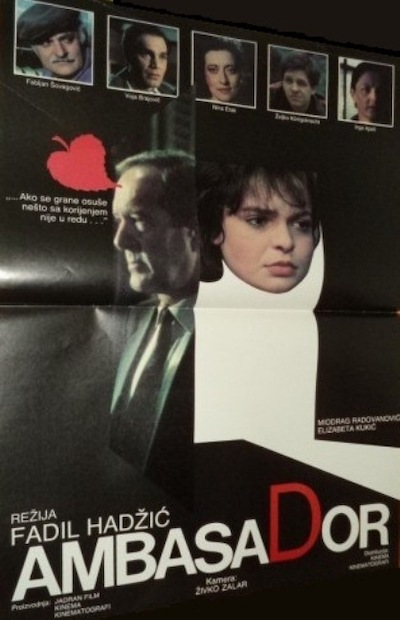
  • Fadil Hadzic – Ambasador (1984)

    1981-1990DramaFadil HadzicYugoslavia

    Director Fadil Hadzic convincingly presented the life of an official, his rise and fall and the inability to establish normal relations with his own children.

    Plot:
    One day in the life of former ambassador, Vlado Milkovic, and his family.
    Ambassador’s younger son (Zeljko Königsknecht) is a car thief, and older son is a doctor (Vojislav Brajovic) whose salary mostly goes to support his wife (Nina Erak-Svrtan). And there is a daughter who thinks about her deceased mother, and her suicide…Read More »

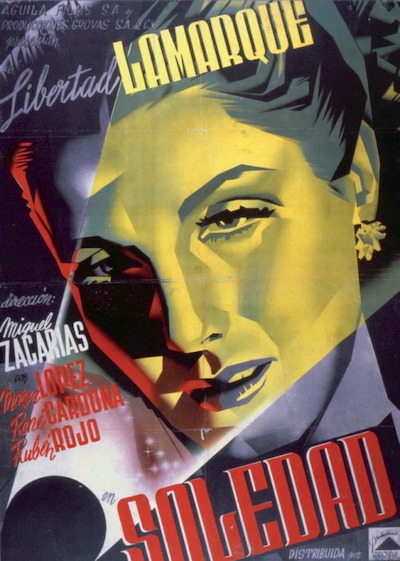
  • Miguel Zacarías – Soledad (1947)

    1941-1950DramaMexicoMiguel Zacarías

    Quote:
    Soledad, a maid born in Argentina, works at a Mexican farm. The son of her employer will deceive her, pretending to marry her and leaving her pregnant. When she finds out that she has been tricked, she runs away from the farm. During her flight she meets a group of artists that’ll change her life. [Synopsis translated from spanish.]Read More »

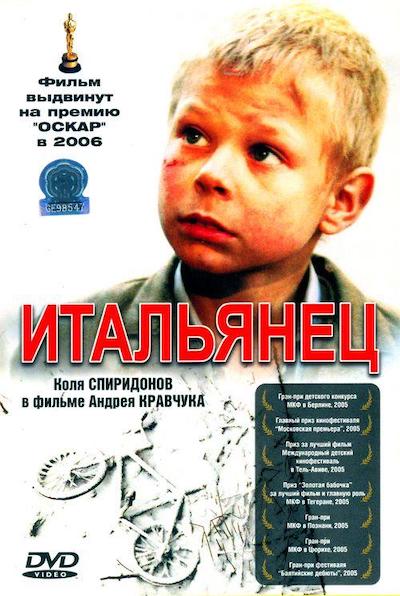
  • Andrey Kravchuk – Italyanets AKA The Italian (2005)

    2001-2010Andrey KravchukDramaRussia

    Synopsis:
    Six-year-old Vanya Solntsev lives in a desolate and rundown orphanage run by an alcoholic headmaster. When a wealthy Italian couple wanting to adopt selects him, the other children, especially his good friend, Anton, envy his fortune and name him The Italian. However, when a grief-stricken mother of another boy commits suicide after returning to reclaim her son and discovering he is no longer there, Vanya fears the same fate looms for him. With the aid of some of the older boys, he retrieves his file from the office safe and learns the address of the children’s home where he previously lived. Certain the records there will identify his mother, he sets off on his quest with the help of an older girl.Read More »

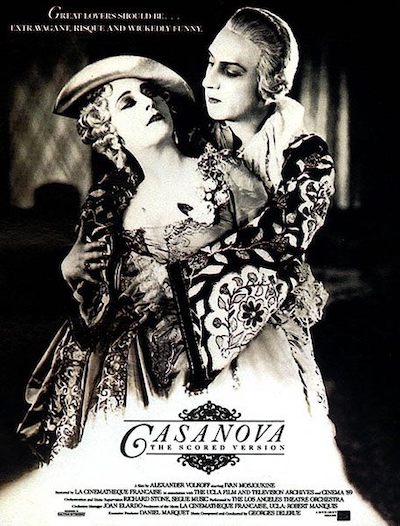
  • Alexandre Volkoff – Casanova [English intertitles] (1927)

    Alexandre Volkoff1921-1930Amos Vogel: Film as a Subversive ArtDramaFranceSilent

    Russian stage star Ivan Mosjoukine plays the title role in this far-from-accurate biopic of legendary Italian lover Casanova. The main plot concerns itself with political intrigue, as Casanova travels from Venice to Russia and back again on a variety of “secret missions.” This doesn’t prevent the amorous hero from enjoying the favors of several delectable females. Even Russia’s Catherine the Great (Suzanne Bianchetti) briefly falls under Casanova’s spell. But when all is said and done, it is the lovely Therese (Jenny Jugo) who captures the protagonist’s heart. Highlights include the spectacular Carnival of Venice sequence and the splendiferous scenes within the palace walls of Czarina Catherine. Casanova was truly an international production: It was filmed in France but financed and written by Germans, while its star and director were Russians. The film ran into some curious censorship troubles in the U.S., and as result it was retitled Prince of Adventurers, with the main character rechristened as “Roberto Ferrara”! ~ Hal Erickson, All Movie GuideRead More »

  • Alan Clarke – Scum [BBC Version] (1977)

    Alan Clarke1971-1980DramaTVUnited Kingdom

    This is the original version made for the BBC but banned by them and never screened until 15 years later. The BBC said that they banned it because “There was too much incident packed into too short a time and that they doubted the veracity.” So they thought it was pure fiction. But they also said that it “looked too much like a documentary.”

    A brutal depiction of life in the borstal system where order is maintained through violence and intimidation. Carlin’s journey up the pecking order from new boy to ‘Daddy’ earns him the respect of inmates and officers alike.Read More »

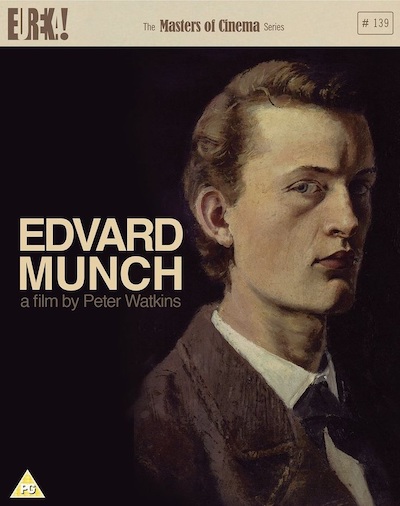
  • Peter Watkins – Edvard Munch [TV version] (1974)

    Peter Watkins1971-1980DramaSwedenTV

    Quote:
    The entire point of Peter Watkins’s cinematic career, so he seems to indicate in his interview with himself in the liner notes for New Yorker Video’s Edvard Munch DVD, is to directly challenge the perception deadening (at best) and enslaving (at worst) effects of the hegemony of 20th-century media, the conception of which was arguably the arrival of the moving picture. Strangely enough, two of his most acclaimed films take place decades before the Edison’s kinetoscope, but Watkins seems to use the anachronism of creating a hypothetical “first-person cinema” in the B.C. years to accentuate his impassioned appeal for elevated media consciousness. His recent six-hour millennial masterwork La Commune (Paris, 1871) was blunt about it, framing a rag-tag experimental theater ensemble attempting to reenact a moment of French social resistance with televised coverage from within (two community reporters practically serving as the film’s tour guides) and without (daily reports from the State-suckling network distorting the public’s all-but-assigned opinion).Read More »

Back to top button