Documentary

  • Dziga Vertov – Kino-Pravda No. 4 (1922)

    1921-1930DocumentaryDziga VertovSilentUSSR

    29f7c043f76a2bde437fd0d52a185152

    Quote:
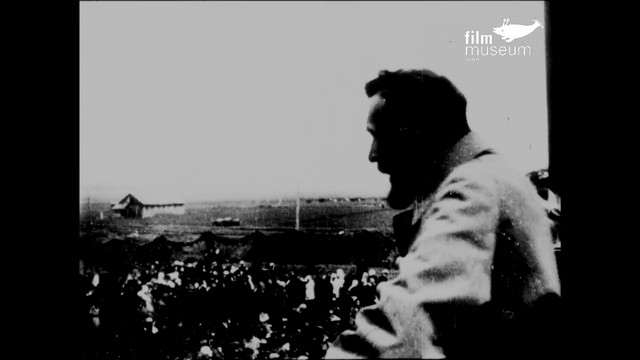
    Between 1922 and 1925, a total of 23 issues of Dziga Vertov’s newsreel series Kino-Pravda (Kino-Truth) appeared (albeit irregularly and in very few copies). Vertov’s goal was to create a kind of “screen newspaper”; the title is a tribute to the newspaper Pravda founded by Lenin. Just like the Kinonedelja newsreel series (1918–19), the Kino-Pravda issues offer a fascinating insight into the early Soviet Union and demonstrate the rapid development of Vertov’s film language.

    The 22 surviving issues (No. 12 is lost) have been digitized and subtitled in German and English by the Austrian Film Museum in 2017/18 and are now available online.Read More »

  • Dziga Vertov – Kino-Pravda No. 3 (1922)

    1921-1930DocumentaryDziga VertovSilentUSSR

    29f7c043f76a2bde437fd0d52a185152

    Quote:
    Between 1922 and 1925, a total of 23 issues of Dziga Vertov’s newsreel series Kino-Pravda (Kino-Truth) appeared (albeit irregularly and in very few copies). Vertov’s goal was to create a kind of “screen newspaper”; the title is a tribute to the newspaper Pravda founded by Lenin. Just like the Kinonedelja newsreel series (1918–19), the Kino-Pravda issues offer a fascinating insight into the early Soviet Union and demonstrate the rapid development of Vertov’s film language.

    The 22 surviving issues (No. 12 is lost) have been digitized and subtitled in German and English by the Austrian Film Museum in 2017/18 and are now available online.Read More »

  • Dziga Vertov – Kino-Pravda No. 2 (1922)

    1921-1930DocumentaryDziga VertovSilentUSSR

    29f7c043f76a2bde437fd0d52a185152

    Quote:
    Between 1922 and 1925, a total of 23 issues of Dziga Vertov’s newsreel series Kino-Pravda (Kino-Truth) appeared (albeit irregularly and in very few copies). Vertov’s goal was to create a kind of “screen newspaper”; the title is a tribute to the newspaper Pravda founded by Lenin. Just like the Kinonedelja newsreel series (1918–19), the Kino-Pravda issues offer a fascinating insight into the early Soviet Union and demonstrate the rapid development of Vertov’s film language.

    The 22 surviving issues (No. 12 is lost) have been digitized and subtitled in German and English by the Austrian Film Museum in 2017/18 and are now available online.Read More »

  • Dziga Vertov – Kino-Pravda No. 1 (1922)

    1921-1930DocumentaryDziga VertovSilentUSSR

    29f7c043f76a2bde437fd0d52a185152

    Quote:
    Between 1922 and 1925, a total of 23 issues of Dziga Vertov’s newsreel series Kino-Pravda (Kino-Truth) appeared (albeit irregularly and in very few copies). Vertov’s goal was to create a kind of “screen newspaper”; the title is a tribute to the newspaper Pravda founded by Lenin. Just like the Kinonedelja newsreel series (1918–19), the Kino-Pravda issues offer a fascinating insight into the early Soviet Union and demonstrate the rapid development of Vertov’s film language.

    The 22 surviving issues (No. 12 is lost) have been digitized and subtitled in German and English by the Austrian Film Museum in 2017/18 and are now available online.Read More »
  • Shirley Clarke – Robert Frost: A Lover’s Quarrel with the World (1963)

    1961-1970DocumentaryShirley ClarkeUSA

    29f7c043f76a2bde437fd0d52a185152

    Quote:
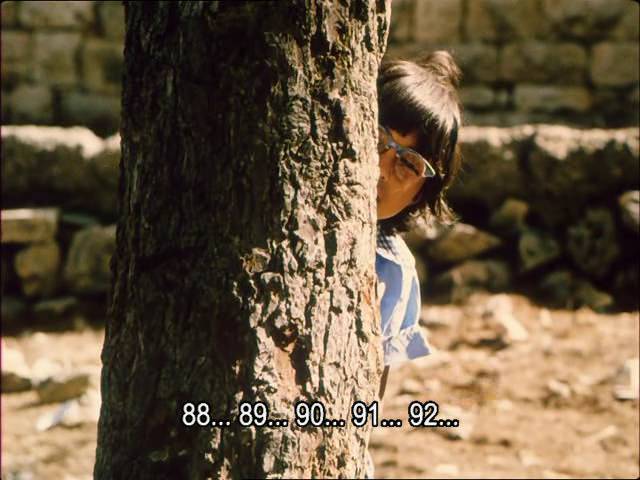
    A hybrid of talking heads, an extended speech and pastoral home life, Robert Frost: A Lover’s Quarrel with the World studies legendary American poet Robert Frost with the intimate signature of director Shirley Clarke. The film begins with a voiceover from President John F. Kennedy: “The artist, however faithful to his personal vision of reality, becomes the lost champion of the individual mind and sensibility, against an intrusive society and officious state.” This begins President Kennedy’s encomium to Frost, honoring his life and career at a Congressional Gold Medal ceremony on March 26, 1962.Read More »

  • David Perlov – B’Yerushalaim aka in Jerusalem (1963)

    1961-1970David PerlovDocumentaryIsrael

    29f7c043f76a2bde437fd0d52a185152

    Interview with David Perlov
    © Uri Klein, Haaretz, Sep. 29 1993
    When you made In Jerusalem did you consciously plan to make a film
    that was different, of a kind we’d never seen before?
    “Yes, I was aware of the difference. In the film I interview an old man, a
    religious photographer, who tells me, ‘No one took photographs in the Holy
    Land before me. I was the first.’ I, too, said this while I was filming, but only to
    myself. I had a feeling that I was doing something decisive for myself and also
    for Israeli filmmaking.Read More »

  • Dag Yngvesson – Rated X: A Journey Through Porn (1999)

    1991-2000Dag YngvessonDocumentaryEroticaUSA

    29f7c043f76a2bde437fd0d52a185152

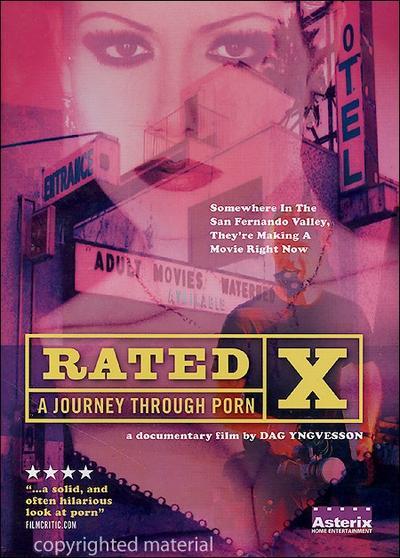
    In this insiders look at life in the porn business, filmmaker Dag Yngvesson speaks with both naïve newcomers and seasoned skin-flick veterans to offer a revealing portrait of cinema’s most controversial cash cows. By exploring the routes both into and out of the porn business, Yngvesson discovers that the adult film industry has taken on an unprecedented air of legitimacy despite lingering taboos. It didn’t happen overnight though, and in addition to exploring such lingering issues as sexually transmitted diseases, racism, and misogyny, Yngvesson digs deep to offer a studied look at the progression of porn thus far, and an intriguing look at where the business may be headed in the future.
    Read More »

  • Peter Rosen – Who Gets to Call It Art? (2006)

    2001-2010DocumentaryPeter RosenUSAVideo Art

    29f7c043f76a2bde437fd0d52a185152

    Stupid title aside, this is another recent little documentary which brings together a some rare footage and interviews about the art of the 1960s, the birth of “pop”, and so forth. Not terribly profound, but fun.
    Read More »

  • Heinz Emigholz – Bickels [Socialism] AKA Streetscapes – Chapter 2 (2016)

    2011-2020ArchitectureDocumentaryGermanyHeinz Emigholz

    The ‘Casa do Povo’ cultural centre in São Paulo, an icon of the secular Jewish workers’ movement: a crumbling theatre flanked by staircases, entryways and corridors. Construction noise drones away in the background, clinking crockery, a broom sweeping over tiled floors, an expressive façade of countless adjustable panes of glass covered by a patina. It’s October 2016 and a group of young people are preparing a preview of Bickels [Socialism]. The venue is to form a prologue to the completed film, which tours 22 buildings in Israel designed by Samuel Bickels, most of which for kibbutzim. Dining halls, children’s houses, agricultural buildings, bright structures inserted into the Mediterranean landscape with great ingenuity.Read More »

Back to top button