

Interesting doc about Dylan and the Band’s collaboration from 65 through 76. Interviews with Garth Hudson, John Simon, Barney Hoskyns, Syd Griffin etc. Rare footage from IOW 69, Tour 66. Sound excerpts from unreleased Basement Tapes.Read More »
Interesting doc about Dylan and the Band’s collaboration from 65 through 76. Interviews with Garth Hudson, John Simon, Barney Hoskyns, Syd Griffin etc. Rare footage from IOW 69, Tour 66. Sound excerpts from unreleased Basement Tapes.Read More »

A European director is commissioned to make a documentary about Istanbul. He starts to film its everyday life – but soon becomes drawn to the darker, more mysterious side of the city – its past, its secrets, its ghosts. Gradually he succumbs to obsession.Read More »
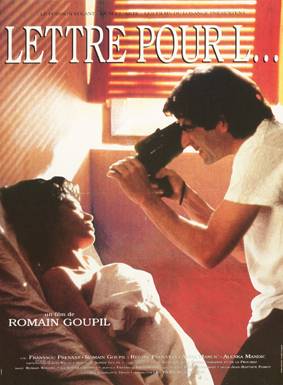
She was 18, they were in love, lived together 10 years. 20 years letter she
sends him a letter. She’s sick, does not talk much about her, but asks him
a question “When will you make a good movie ?”. He then takes his camera and
tries to speak of other things, about cinéma, their early political combats
and what became of them. Through his hesitations, his interrogations, he
draws the bitter image of an era. Moscow, Gaza, Berlin, Belgrade, Sarajevo,
Paris, Sarajavo again. A way to stay with her, to retail life.Read More »

About this movie:
One of the most interesting films in the black series, describing reality in strongly, ironic and sarcastic manner. The aim is not only to intervene, but to expose the method of falsyfying reality. The camera looks into the corners of Renaissance Lublin’s Old Town, renovated for the 10th anniversary of the People’s Republic of Poland: piles of rubbish, dogs wandering around the dirty children treating such places as their playground.Read More »

Press comment:
Not unexpectedly Troell´s contribution to the group-project facing the new millenium -“Swedish stories” – is outstanding. Here the lives of ordinary people on the countryside on Sweden´s southern tip mirror, without effort, something more general. This time we encounter some enthusiasts running a small radio station. Singing, talking, and greeting is heard, listened to and exchanged.. The image of a technology serving people and their fellowship is developed together with the one of a society not having lost its soul. —Troell is the great observer among Swedish documentarists. His brilliant cinematography and associative editing literally cuts out meaning and coherence from the visible reality.
DAGENS NYHETERRead More »

Quote:
An interview with a Mormon Fundamentalist who shares a husband with her younger sister.Read More »
Summary from The Hindu:
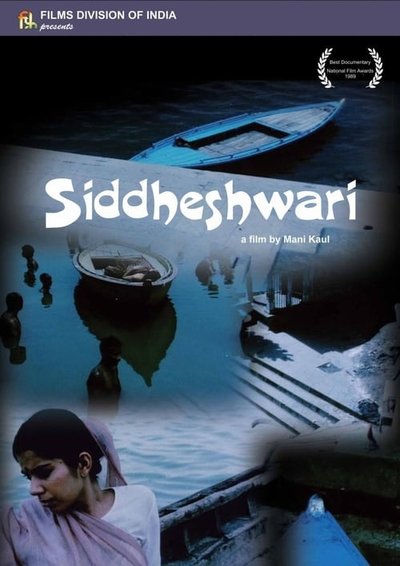
On paper, Siddheshwari, like so many films commissioned by the Films Division, is a cine-profile, of the Hindustani singer Siddheshwari Devi. However, Kaul turns the genre inside out, and amalgamates literary, theatrical, musical and cinematic forms together to construct an experience of music, instead of simply presenting biographical details or passively documenting the singer’s artistry. The sprawling film blends multiple timelines, realities and geographies to sketch a unique portrait of the artist.Read More »

From il cinema muto italiano 1923-1931:
Si tratta di una antologia di canzoni napoletane, interprete dai maggiori cantanti dell’epoca, i quali seguirono alcune prime visioni, cantando direttamente sotto lo schermo.
Translation:
This is an anthology of Neapolitan songs, singers from the major interpreter of the time, which followed some premieres, singing directly below the screen.Read More »

Tender, erotic, and pathetic, this reconstructed narrative examines the obsession to chronicle the details of an adulterous affair. Suitcase of Love and Shame is a mesmerizing collage woven from 60 hours of reel-to-reel audiotape discovered in a suitcase purchased on eBay. Recorded in the 1960’s, a Mid-western woman and her lover become reliant on recording devises to document and memorialize their affair. The film suggestively foregrounds the tape recorder as the confidant, witness, and participant that the couple come to depend on — always omnipresent, the recorder creates a welcomed ménage-à-trois.Read More »