Arthouse

  • Atom Egoyan – Next of Kin (1984)

    1981-1990ArthouseAtom EgoyanCanadaDrama

    29f7c043f76a2bde437fd0d52a185152

    Quote:
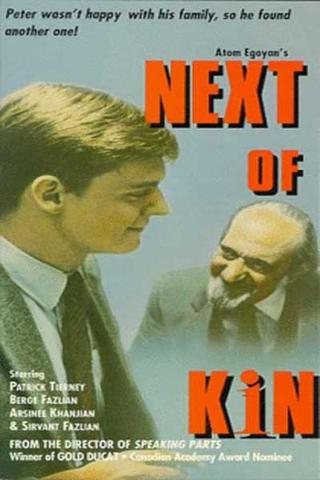
    Marking Atom Egoyan’s first feature film, Next of Kin a visually assured, lucid, and thoughtful exposition on alienation, displacement, and the amorphous nature of home and family. Incorporating innovative narrative devices of circular structure and video imaging, Egoyan explores the dichotomous role of technology as both a convenient tool for communication and an impersonal barrier to true human connection (a modern-day existential angst that is similarly portrayed in Mike Nichols’ The Graduate, to which Egoyan pays homage in the film’s early sequence): Peter’s voice-over that is visually reinforced by the recurring shots of an airport baggage carousel, reflecting his sense of aimlessness and disorientation; the Foster’s videotaped counseling session that ironically serves, not to facilitate dialogue, but to further alienate the self-conscious Peter from his family; the tape recorder that becomes a literal surrogate to Peter’s articulated thoughts. Furthermore, in illustrating the residual trauma caused the Deryan’s ‘lost’ son Bedros, Egoyan introduces his recurring theme of the absent child – an unresolved emotional fracture that would propel the psychological (and emotional) trajectory of his seminal films, Exotica and The Sweet Hereafter. By exploring the dynamic – and often necessary – function of compassionate role-playing and deception in social and familial relationships, Egoyan creates a haunting and affectionate contemporary humanist fable on identity, impersonation, and connection.Read More »
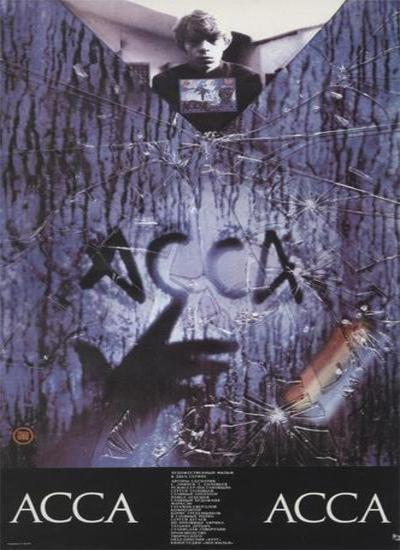

  • Sergei Solovyov – Assa (1988)

    Drama1981-1990ArthouseSergei SolovyovUSSR

    29f7c043f76a2bde437fd0d52a185152

    Quote:
    The film is set in Crimea during the winter in the mid eighties. A young musician falls for mobster’s young mistress. The parallel story line involves an 18th century assassination plot.

    “The face of Russia as it was in the 80’s. The image of the young generation through the face of gloomy regime. Love story of 2 young is stuck between the old norms of Soviet union and the new rising power of organized mafia, two ingredients which will affect the collapse of the 70 years socialist power. The young generation demand changes, and immediately but it’s being suffocated by both sides of the old order, and the movie ends with legendary Viktor Tsoi’s song “Changes” which became an anthem after Tsoi’s tragic death in a car accident.”Read More »

  • Manoel de Oliveira – O Velho do Restelo AKA The Old Man of Belem (2014)

    2011-2020ArthouseCultManoel de OliveiraPortugal

    29f7c043f76a2bde437fd0d52a185152

    Quote:
    Glory is often met with opposition, and whether victorious or defeated, we always hold fate responsible. Don Quixote de La Mancha came along sixteen years after the defeat of the Invincible Fleet and has erred the Earth ever since. Today he will join a meeting between old friends in the garden of eternity, in which the glories of the past and the uncertainty of the future will be thoroughly discussed.Read More »

  • Alante Kavaite – Sangailes vasara AKA The Summer of Sangaile (2015) (HD)

    2011-2020Alante KavaiteArthouseDramaLithuania
    Alante Kavaite - Sangailes vasara AKA The Summer of Sangaile (2015)

    17 years old Sangaile is fascinated by stunt planes. She meets a girl her age at a summer aeronautical show. Sangaile allows Auste to discover her most intimate secret and in the process finds the only person that truly encourages her to fly.

    One of the 10 best movies of 2015, according to Cahiers du Cinema.Read More »

  • Guy Maddin – Keyhole (2011)

    2011-2020ArthouseCanadaGuy Maddin

    29f7c043f76a2bde437fd0d52a185152

    Quote:
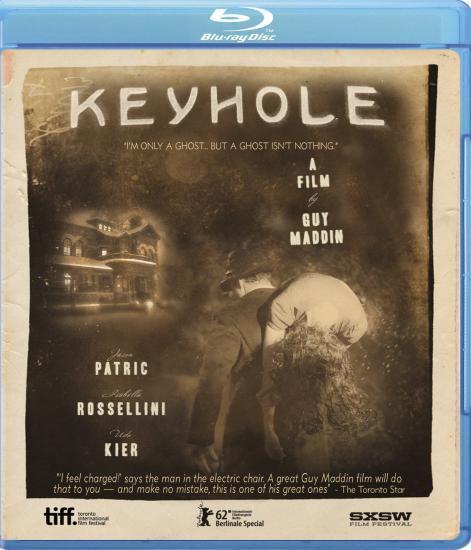
    Visionary Canadian filmmaker Guy Maddin takes viewers on a surreal journey into the psyche of a desperate gangster backed into a dangerous corner in this surreal, psycho-sexual take on Homer’s Odyssey. Late one night, a group of gangsters shoot their way into the living room of a large house and wait anxiously for the arrival of their leader, Ulysses Pick (Jason Patric). Ulysses has a knack for getting out of tense situations, and with the cops all around his cohorts need him now more than ever. But when Ulysses arrives with a teenage girl and a bound young man in tow, some of his henchmen start to think it’s time for a new boss to take over. An already tense situation turns downright surreal as Ulysses begins venturing through the labyrinthine house in search of his wife Hyacinth (Isabella Rossellini), who remains locked in her room somewhere on an upper floor. Meanwhile, Hyacinth’s father offers cryptic commentary on the unfolding events, and the harder Ulysses searches for his wife the more secrets he begins to uncover about his eccentric family.Read More »

  • Derek Jarman – The Last of England (1987)

    1981-1990ArthouseDerek JarmanQueer Cinema(s)United Kingdom

    29f7c043f76a2bde437fd0d52a185152

    Quote:
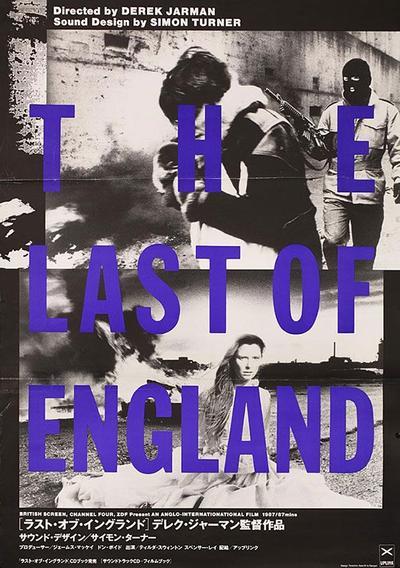
    Jarman is a tough filmmaker to recommend, but he occasionally rewards. As we’ve seen from practically the first film on, he sets out to make pictures entirely for himself; with each one intellectually structured, creatively shot, but almost always a reflection of his personal thoughts and feelings, his sexuality, and England in decline. Here we have a film that combines all of these preoccupations, told in a combination of wordless images and narrated prose, with little or no clarification given as to what is actually going on. Jarman has said that he wanted the film to feel like a visual poem, but really, this is far from poetic. Instead, this seems more like something that Godard would have directed in the 1970’s; angry, venomous and always seething with contempt. The images here are violent to the extreme and the approach that Jarman brings to the editing room is visceral and heavily kinetic. Here we see the use of various colour filters, tints and distortions used alongside a multitude of film stocks and spliced-in video footage. The images of middle-class households rounded up, driven into the depths of a post-apocalyptic wasteland and detained at gunpoint must have had a shocking relevance at the time, when terrorist attacks and IRA bombings were as common as they were incomprehensible.Read More »

  • Sergei Solovyov – Chuzhaya belaya i ryaboy AKA The Stray White and the Speckled (1986)

    1981-1990ArthouseDramaSergei SolovyovUSSR

    29f7c043f76a2bde437fd0d52a185152

    Quote:
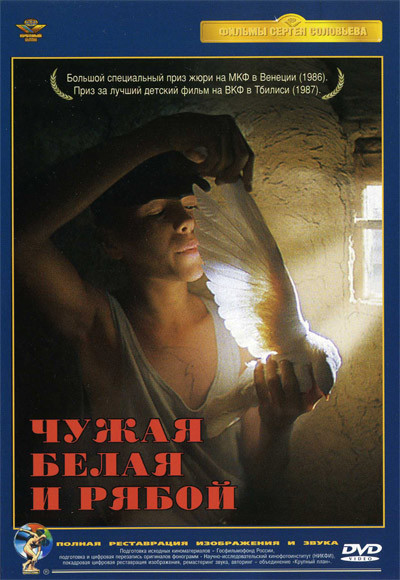
    In a poor provincial town, the ragamuffin boys are frenziedly drilled for combat, and at nights the local elite, gathered in a pool room, boasts of fictitious biographies, while bands of boys amuse themselves with bloody fights on trashy vacant plots… One of the most vivid staples of the postwar childhood were pigeons. They could be bought, sold or stolen. One day a beautiful white dove appeared over the town. Risking his life, Ivan caught the White. And immediately became the target of the “pigeon” mafia…Read More »

  • Alain Resnais – Je t’aime je t’aime AKA I Love You, I Love You (1968)

    1961-1970Alain ResnaisArthouseFranceSci-Fi

    29f7c043f76a2bde437fd0d52a185152

    Quote:
    “Je T’Aime, Je T’Aime,” which opened yesterday at the New Yorker Theater, was shown at the eighth New York Film Festival. The following is from Roger Greenspun’s review, which appeared Sept. 15, 1970, in The New York Times.

    Like most of the previous films of Alain Resnais, “Je T’Aime, Je T’Aime” is science fiction of a sort. And like virtually all of Resnais’s previous films, its concern is for the past recaptured. To support this concern it proposes a story, the most fragmented of all Resnais’ stories, dealing with, perhaps intense but nevertheless transitory love affair.Read More »

  • Manoel de Oliveira – Visita ou Memórias e Confissões AKA Memories and Confessions (1982/2015)

    2011-2020ArthouseDocumentaryManoel de OliveiraPortugal

    29f7c043f76a2bde437fd0d52a185152

    Quote:
    73-year-old De Oliveira decides to make a personal movie that his audience will only know once heis dead. In 1982, the director takes the decision to make a movie about (and in) his (ex) house, in which he lived for over 40 years. The initial still shot is held for a long while with the presence oftrees in the garden of his house in Oporto. De Oliveira himself introduces the film and speaks all the credits out. The voices of a man and a woman guide us for most of the first part, in a sort of preliminary and formal tour around the totality of the house. They remain out of frame and the camera perspective is not necessarily theirs. After a few minutes, we see De Oliveira for the first time, writing on a typewriter at his desk. The most surprising element, in narrative terms, is the recreation of his arrest and his stay in a dungeon in times of the Portuguese military regime, during the 60s. Right from the start, the word memoryis a relevant operative term; the confession becomes explicit around half through the film.Read More »

Back to top button