Quote:
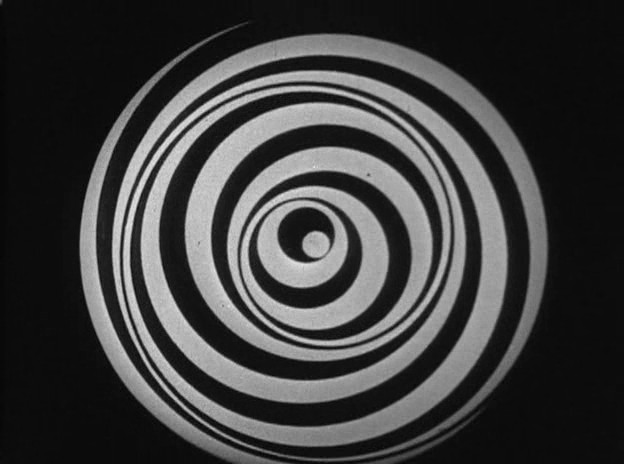
A spiral design spins dizzily. It’s replaced by a spinning disk. These two continue in perfect alternation until the end: a spiral design, a disk. Each disk is labelled and can be read as it rotates. The messages, in French, feature puns and whimsical rhymes and alliteration. The final message comments on the spiral motif itself.Read More »
1921-1930
-
Marcel Duchamp – Anémic cinéma (1926)
1921-1930ArthouseExperimentalFranceMarcel Duchamp -
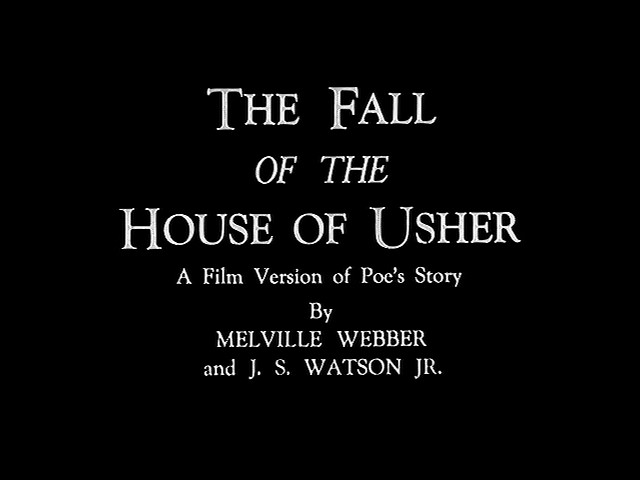
James Sibley Watson – The Fall of the House of Usher (1928)
1921-1930James Sibley WatsonShort FilmSilentUSAReleased the same year as Jean Epstein’s “La Chute de la Maison Usher”, this is the American avant-garde version of Poe’s classic short story.
Quote:
“The Fall of the House of Usher” combines European influences with something home crafted. James Sibley Watson Jr. had seen the German expressionist film “The Cabinet of Dr. Caligari” more than once during its 1921 New York City run. Not only do USHER’s impossibly angled sets draw from that film, but the top-hatted, cloaked “traveler” (played in expressionist makeup by Melville Webber) seems to echo the figure of Dr. Caligari himself. Less obvious now is the French influence. Whereas CALIGARI expressed a madman’s consciousness through set design and stylized acting alone, French experimental filmmaking of the twenties typically represented disturbed mental states through elaborate camera tricks and optical distortions. Indeed, such a style animates the more celebrated 1928 version of Poe’s story, Jean Epstein’s feature-length “La Chute de la Maison Usher”. Read More » -
Alfred Hitchcock – Easy Virtue (1928)
1921-1930Alfred HitchcockDramaSilentUnited KingdomA recently divorced woman hides her scandalous past from her new husband and his family.
Read More » -
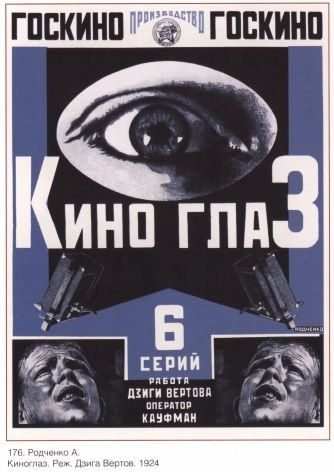
Dziga Vertov – Kinoglaz AKA Kino Eye (1924)
1921-1930DocumentaryDziga VertovSilentUSSRQuote:
This documentary promoting the joys of life in a Soviet village, centers around the activities of the Young Pioneers. These children are constantly busy, pasting propaganda posters on walls, distributing hand bills, exhorting all to “buy from the cooperative“ as opposed to the Public Sector, promoting temperance, and helping poor widows. Experimental portions of the film, projected in reverse, feature the un-slaughtering of a bull and the un-baking of bread.Read More » -
Noburô Ôfuji – A Story of Tobacco (1926)
1921-1930AnimationJapanNoburô ÔfujiShort FilmA tiny man explains the origins of tobacco to a young woman.
Read More » -
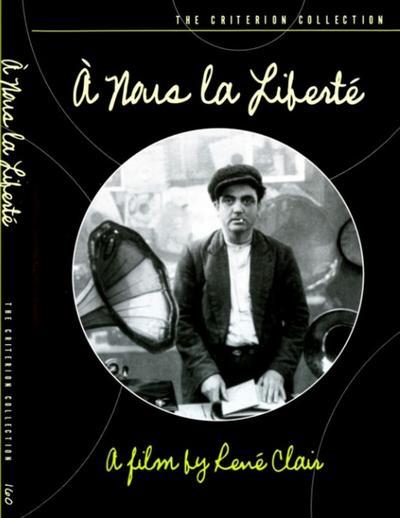
René Clair – À nous la liberté (1931)
France1921-1930ComedyRené ClairQuote:
René Clair’s exuberant anti-capitalist satire À nous la liberté was one of the early triumphs of sound cinema and is still considered one of the all-time greats of French cinema. The film is a light-hearted comic tour de force, erupting into unbridled farce in a few places, and yet it also offers an intelligent reflection on one of the major social preoccupations of the time: the gradual dehumanisation of mankind through technological progress. In characteristically humorous vein, Clair gives us a speculative glimpse of the future in which human beings are reduced to quasi-machines to meet the remorseless capitalist imperative for ever greater efficiency and increased output. The demoralising repetitiveness of life on the factory production line mirrors the endless monotony of the prison scenes at the start of the film, and both contain echoes of the Fascistic nightmare that would overrun most of Europe in the 1930s. In an era of immense social and technological change, Clair poses a timely question: what is man’s destiny, to be a free individualist or a robotic slave to corporate greed?Read More » -
Yasujirô Ozu – Hogaraka ni ayume AKA Walk Cheerfully (1930)
1921-1930CrimeJapanSilentYasujiro OzuQuote:
Kenji is a small thief who likes drinking and fighting. When he falls in love with sweet and simple Yazue, and she finds out what kind of guy he really is, she leaves him ‘until he becomes an honest person’. But it is not easy to get rid of one’s past…Read More » -
William A. Wellman – Beggars of Life (1928)
1921-1930DramaQueer Cinema(s)SilentUSAWilliam A. WellmanThe Louise Brooks Society: wrote:
Beggars of Life is a terse drama about a girl (Louise Brooks) dressed as a boy who flees the law after killing her abusive stepfather. With the help of a young hobo, she rides the rails through a male dominated underworld in which danger is close at hand.Kevin Brownlow wrote:
Beggars of Life, with Louise Brooks and Richard Arlen, is a story of tramps, by the hobo writer Jim Tully. The customary freshness and unstudied casualness of most American silent films is replaced here by a dignified, carefully studied style, suggestive of the European cinema, and indicating a conscious striving toward artistry.Read More » -
Ewald André Dupont – Moulin Rouge (1928)
Drama1921-1930Ewald André DupontSilentUnited KingdomUSANo relation to the 1952 Toulouse Lautrec biopic of the same name, Moulin Rouge was produced, directed and written by German-filmmaker E. A. Dupont. Olga Tschechowa plays the star dancer of Paris’ famed Moulin Rouge nightspot. Her daughter Eve Gray is in love with impressionable Jean Bradin. Alas, Jean adores another – Eve’s own mother. A blessed relief from the usual turgid, slapped-together British films of the period, Moulin Rouge has visual moments that approach the brilliance of Dupont’s previous backstage melodrama, the German Variety. ~ Hal Erickson, All Movie GuideRead More »