The last person to die on New Year’s Eve before the clock strikes twelve is doomed to take the reins of Death’s chariot and work tirelessly collecting fresh souls for the next year. So says the legend that drives The Phantom Carriage (Körkarlen), directed by the father of Swedish cinema, Victor Sjöström (The Wind), about an alcoholic, abusive ne’er-do-well (Sjöström himself) who is shown the error of his ways and the pure-of-heart Salvation Army sister who believes in his redemption. Based on a novel by Nobel Prize winner Selma Lagerlöf, this extraordinarily rich and innovative silent classic (which inspired Ingmar Bergman to make movies) is a Dickensian ghost story and a deeply moving morality tale, as well as a showcase for groundbreaking special effects.Read More »
1921-1930
-
Victor Sjöström – Körkarlen AKA The Phantom Carriage (1921)
1921-1930HorrorScandinavian Silent CinemaSilentSwedenVictor Sjöström -
Tod Browning – West of Zanzibar (1928)
1921-1930AdventureSilentTod BrowningUSAFor 18 years Phroso, known as Dead Legs by his cronies, plots his revenge, becoming a pseudo-king in East Africa, nearby where Crane has set up an ivory business. When the daughter is grown, having lived in a brothel in Zanzibar thanks to Dead Legs, Phroso put his plan into action, resulting in revenge and retribution all around.Read More »
-
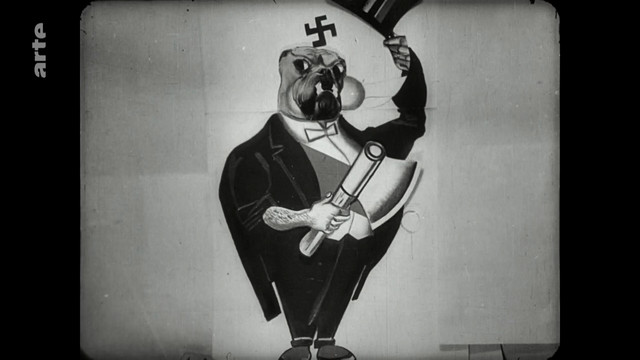
Nikolay Khodataev & Zenon Komissarenko & Youry Merkulov – Mezhplanetnaya revolyutsiya AKA Interplanetary Revolution (1924)
1921-1930AnimationNikolay KhodataevShort FilmUSSRYoury MerkulovZenon KomissarenkoQuote:
A tale about Comrade Kominternov, the Red Army Warrior, who flew to Mars and vanquished all the capitalists on the planet. The film is a parody on the famous SF film “Aelita” from the same year.Read More » -
Tod Browning – The Unholy Three (1925)
1921-1930CrimeSilentTod BrowningUSA
Lon Chaney — the Man of a Thousand Faces — used his makeup skills, astonishing physicality and profound empathy to create Quasimodo, the Phantom of the Opera and more of the Silent Era’s greatest horror roles. In this hypnotic mix of creepiness and crime, he plays a ventriloquist who dons a granny disguise to team with a strongman and a little person in a bizarre robbery scheme that ends in murder. The film marks an even more fateful alliance than that of the Unholy Three: the collaboration between Chaney and director Tod Browning, who would helm seven more Chaney movies before making Sound Era horror history with Dracula and Freaks.Read More »
-
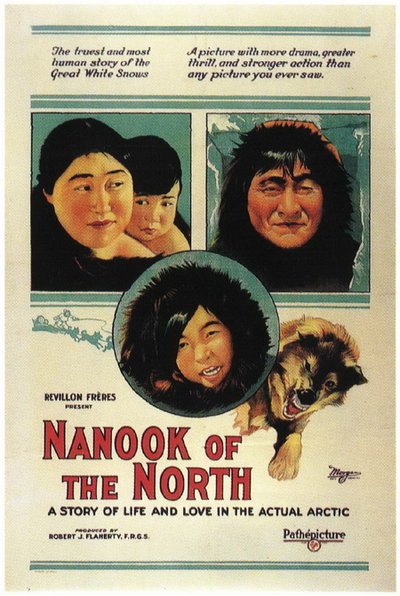
Robert J. Flaherty – Nanook of the North (1922) (HD)
1921-1930DocumentaryEthnographic CinemaRobert J. FlahertySilentUSAIn this silent predecessor to the modern documentary, film-maker Robert J. Flaherty spends one year following the lives of Nanook and his family, Inuit living in the Arctic Circle. (IMDb)Read More »
-
Oskar Fischinger – Studie Nr. 6 AKA Study No. 6 (1930)
1921-1930AnimationExperimentalGermanyOskar Fischinger
Quote.
The first Studies were synchronized with records (Fischinger made a total of 13 Studies all without sound). It was only with the introduction of sound, beginning with Study No 6 that the films did full justice to this musical principle. The play of the white lines, the arcs, and the upside-down U’s running hither and thither like ballet dancers was brought into perfect synchronization with the music, and thus the films offered an abstract illustration of the melodies. Study No 6 is certainly the best of his films in terms of forms. – Hans Scheugl and Ernst Schmidt, Jr.Read More » -
Nina Agadzhanova & Lev Kuleshov – Dva-Buldi-dva aka Two-Buldi-Two (1929)
Drama1921-1930Lev KuleshovNina AgadzhanovaSilentUSSR
“A father and son, both clowns, are to perform together for the first time, but the civil war separates them, and the elder Buldy, tempted for a moment to acquiesce to the White forces, casts his lot with the revolution. At the climax Buldy Jr. escapes the Whites thanks to flashy trampoline and trapeze acrobatics; the gaping enemy soldiers forget to shoot. Even Kuleshov’s more naturalistic films show flashes of kinetic, stylized acting. A partisan listens to a boy while draping himself over a door. A Bolshevik official answers the phone by reaching across his chest, twisting his body so the unused arm can hike itself up, right-angled, to the chair.”
by David BordwellRead More » -
Eduard Tisse – Frauennot – Frauenglück AKA Women’s Misery – Women’s Happiness (1976 edition) (1930)
1921-1930DocumentaryEduard TisseGermanyQuote:
First feature produced in Switzerland. Film deals with abortion, in two parts: first, fictional part addresses the social aspects; second, documentary part addresses the dangers of clandestine abortions. Film concludes with a eulogy to maternity.Read More » -
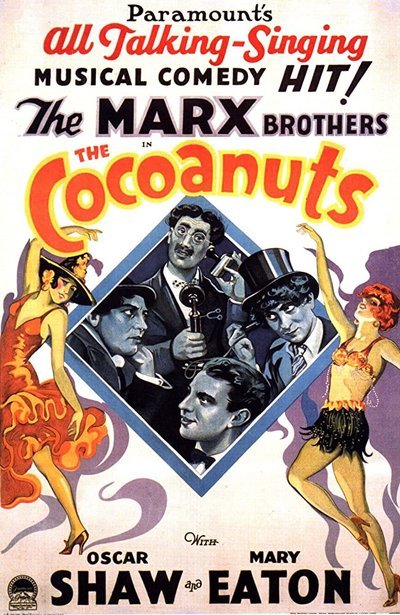
Robert Florey & Joseph Santley – The Cocoanuts (1929)
1921-1930ClassicsComedyJoseph SantleyRobert FloreyUSAMr. Hammer runs a bankrupt Florida hotel. He’ll try anything to make money, even make love to rich Mrs. Potter. But his main scheme, selling real estate, is in danger of sabotage from zanies Chico and Harpo, who also reduce the schemes of a pair of jewel thieves to chaos. A subplot involves the star-crossed love of Polly Potter and architect Bob Adams.Read More »