Gina Manès

  • Jean Epstein – L’auberge rouge AKA The Red Inn (1923)

    1921-1930DramaFranceJean EpsteinSilent

    Based on the story by Honoré de Balzac. Caught in a storm, two young doctors book into an inn for the night and find themselves sharing a room with a Dutch diamond merchant. During the night Prosper steals from the merchant, but when he awakes in the morning he finds the merchant dead and his friend gone. When the stolen property is found on him he is arrested for the crime and executed. 25 years later the innkeeper’s daughter relates the tale to a traveler, who in turn later relates it at a dinner party. At that party is Frederic Taillefer, the missing friend and murderer.Read More »
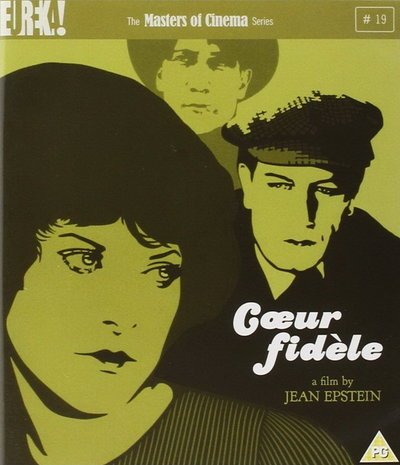
  • Jean Epstein – Coeur fidèle AKA The Faithful Heart (1923)

    1921-1930DramaFranceJean EpsteinRomance

    29f7c043f76a2bde437fd0d52a185152

    Quote:
    In Coeur Fidèle’s accompanying 44-page booklet, Jean Epstein, at a 1924 address, argues his film as “romantic” rather than”realist”, the label with which Italian poet Ricciotto Canudo assigned it before his death. The truth is that Epstein’s largely unknown masterpiece provides a fascinating agreement of the two styles, oscillating with seamless precision between reverie and sincerity. Marie (Gina Manès) is in love with Jean (Léon Mathot), a kind-hearted man who works on the Marseille docklands, but Marie’s adoptive parents want to marry her off to the obnoxious and unemployed drunk Petit Paul (Edmond Van Daële), and the scene is set for a sensational melodrama to unfold.Read More »

  • Abel Gance – Napoléon Bonaparte (1935)

    1931-1940Abel GanceClassicsDramaFrance

    2011 restoration by La Cinémathèque Française of the re-edited sound version of Abel Gance’s 1927 epic silent film “Napoleon”.

    French language only, no english subtitles.
    One of the most high-profile casualties of the transition from silent to sound cinema was the French filmmaker Abel Gance. In the silent era, Gance had proven himself to be as great a cineaste as the other legendary pioneers of cinema, D.W. Griffith and Sergei Eisenstein, through a series of groundbreaking masterpieces that included J’accuse! (1919), La Roue (1923) and Napoléon (1927). It was the latter film that was to earn Gance particular acclaim and lasting recognition as one of the architects of cinema art, a five hour visionary epic that presented the early career of Napoléon Bonaparte with a visual artistry and panache that is, to this day, virtually unrivalled.Read More »

Back to top button