Czech

  • Jirí Krejcík – Vyssi princip AKA Higher Principle (1960)

    Drama1951-1960Czech RepublicJirí KrejcíkWar

    SYNOPSIS from kviff.com:
    Jiří Krejčík’s A Higher Principle, together with Weiss’s film Romeo, Juliet and Darkness (1959), was one of those Czechoslovak films at the forefront of what is characterised in literature as the second wave of war prose. After years of the schematism and trivialisation of heroic pathos, films were gradually appearing towards the end of the 1950s which treated the theme of war with greater intimacy, and the heroism of those who resisted evil and Nazi barbarity was not so apparent at first glance. Krejčík selected a story by Jan Drda written almost immediately after the liberation, whose short text he and the author considerably reshaped.Read More »
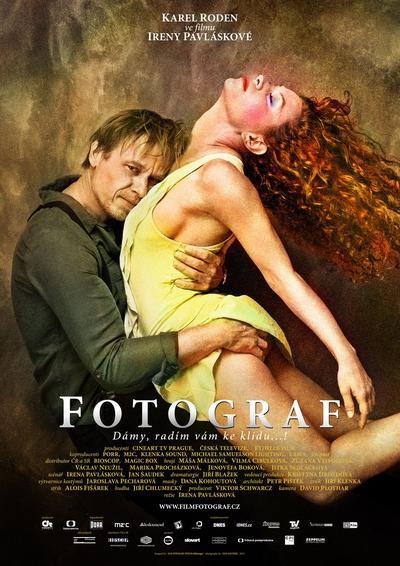
  • Irena Pavlásková – Fotograf (2015)

    2011-2020ComedyCzech RepublicDramaIrena Pavlásková

    29f7c043f76a2bde437fd0d52a185152

    Quote:
    This acerbic biographical comedy subtitled “I Think You Should Calm Down, Ladies…!” is loosely inspired by the life of renowned photographer and celebrity Jan Saudek, outstandingly portrayed by Karel Roden. The film, appealing in its theme and treatment, focuses on the maestro’s relationships with women, specifically the devoted Líba, who enjoys subtle yet complete control over Jan (her character is undeniably inspired by his former partner Sára Saudková). In addition to numerous indelicate scenes, the brief flashbacks also reveal Jan’s ill-fated past (conflicts with the police and state security agents, a nightmare from his childhood), and there’s also room for staging Saudek’s famous photographic nudes, for which the models were usually morbidly obese. Pavlásková also exposes the artist’s quirky personality, where exhibitionism and vanity go hand in hand with Saudek’s fragility and male naivety, and his desire to extricate himself from his private solitude.Read More »

  • Vera Chytilová – Strop AKA Ceiling (1962)

    1961-1970ArthouseCzech RepublicShort FilmVera Chytilová

    29f7c043f76a2bde437fd0d52a185152

    Quote:
    Vera Chytilova’s fascinating 1962 film-school thesis is a protofeminist meditation on the fashion industry that draws on Chytilova’s experience as a model. The storytelling is a bit clumsy, arbitrarily juxtaposing scenes of the protagonist posing at a photo shoot and awkwardly interacting with some young men in a cafe. But many of the images ring emotionally true, even those that have since become cliches—like the sequence in which she wanders the street at night staring at shop window mannequins. The film’s best scene—of the model standing on the runway while the audience whirls vertiginously about—evokes the vacuous instability of a self that exists only in the gaze of others.Read More »

  • Stefan Uher – Slnko v sieti Aka The Sun in a Net (1962)

    1961-1970ArthouseDramaSlovakiaStefan Uher

    29f7c043f76a2bde437fd0d52a185152

    A student, Oldrich “Fajolo” Fajtak, has a romantic attachment to two girls: his hometown love Bela, and Jana – a lover whom he meets during a summer job on a collective farm. One storyline of the film peels layers off Bela’s permanently tense home life marked by her blind mother’s helplessness, her father’s past break with his father who lives in the village where Fajolo is finding some consolation in the arms of his new lover Jana. As Fajolo begins to pry into Bela’s grandfather’s secrets, she, in turn, allows her new boyfriend Peťo to read and deride Fajolo’s remorseful letters from the farm. This lovers’ triangle provides the film with several oppositions: town and country, intelligentsia and worker, collective and personal truth in communist Czechoslovakia. The potential symbolism of the film appeared ominous to the Communist authorities bent on banning the film, but the nascent political thaw helped the filmmakers prevail and the release of “The Sun in a Net” became its harbinger in Czechoslovak film and culture.
    Stanislav Szomolányi’s location cinematography and Ilja Zeljenka’s musique concrète score remain striking.Read More »

  • Jan Svankmajer – Kyvadlo, jáma a nadeje AKA the pendulum, the pit and hope (1984)

    1981-1990Czech RepublicJan SvankmajerShort Film

    A horrifying, surrealist version of Edgar Allan Poe’s “The Pit and the Pendulum” directed by the masterful animator Jan Svankmajer.Read More »

  • Frantisek Vlácil – Dým bramborové nate AKA Smoke on the Potato Fields [+extras] (1977)

    1971-1980Czech RepublicDramaFrantisek Vlácil

    29f7c043f76a2bde437fd0d52a185152

    Synopsis:
    In this 1976 character study by Czech director Frantisek Vlacil, a stout middle-aged physician whose marriage has come apart (Rudolf Hrusinsky) establishes a practice in a small town. Gradually he’s drawn into the lives of his patients—a childless couple, a pregnant girl with a stern mother, the son of a duck farmer—and each relationship reveals a bit more about him and the idyllic but insular community. Vlacil is hardly known for his light touch, but the film’s austere look and elegiac chamber music, at times Bressonian in their severity, convey the doctor’s quest for fulfillment and peace of mind. Hrusinsky, who was blacklisted in Czechoslovakia for his anticommunist stance, ennobles his role by underplaying it.Read More »

  • Jan Svankmajer – Muzné hry AKA Virile Games (1988)

    1981-1990AnimationCzech RepublicJan SvankmajerShort Film

    A man sits down to watch a football match, which seems to consist of the players being violently mutilated in various inventive ways. The players then leave the football pitch and invade the spectator’s flat…Read More »

  • Miroslav Krobot – Díra u Hanusovic (2014)

    2011-2020Czech RepublicDramaMiroslav Krobot

    29f7c043f76a2bde437fd0d52a185152

    When she’s not serving regulars in a pub in a sleepy northern Moravian village, thirtysomething Maruna spends time with indecisive mayor Jura, soft-hearted outsider Olin and philandering roofer Kódl. Or she fights with her domineering mother, who is more inclined towards sister Jaruna, the one who gets the chance to leave this godforsaken place. Lightened with a touch of black humor, Krobot’s laconic village drama develops from a superb script, whose authors drew on their familiarity with the people and the region that made their protagonists who they are. Particularly today, when the word “waiting” is perceived entirely negatively, Krobot’s heroes, quite happy to continue living a fairly humdrum existence, might appear to have come from another planet. A powerful element of the film, gradually and carefully built into the plot, is the human respect which Krobot, aided by leading Czech actors, is able to convey to his audience. Somewhere in Moravia betrays a certain affinity with the work of the Czech literary classics, the Mrštík brothers, and with the absurd dramas of the 1960s.Read More »

  • Karel Kachyna – Láska (1973)

    1971-1980Czech RepublicDramaKarel KachynaRomance

    29f7c043f76a2bde437fd0d52a185152

    Quote:
    Své milostné okouzlení prožívají nejen mladičtí hrdinové filmu šestnáctiletý Petr a stejně stará dívka Andrea, ale i jejich rodiče, kteří se po letech znovu setkali. Rádoby poetické ladění je však místy násilné stejně jako střídání barvy s černobílými pasážemi. Láska patří mezi Kachyňova normalizační díla, která postrádají osobitost, nahrazuje ji křečovitou stylizací, která postihuje všechny složky filmu.Read More »

Back to top button