Synopsis: When lust strikes in a summery, sun-drenched, but somehow darkened Greek countryside farm: a group of young unemployed women are killing their time there. Love affairs, friendships and passions are subtly stimulated by soil, sun, booze, afternoon raunchiness and a secret from the past…Read More »
Quote: A propaganda documentary about North Korea that reveals a few hidden facts because the director continues filming between the scripted scenes.Read More »
Quote: Spanning the fifties to the seventies, the film follows Humberto as he gets increasingly in over his head with multiple shady book-cooking schemes throughout South America, leading to an ultimate life-or-death decision.Read More »
Summary Joachim “Blacky” Fuchsberger provided the starting point for “Overgames”: In 2005, he stated in a talk show that the content of his TV game show “Nur nicht nervös werden”, which first aired in 1960, was originally developed in US-American psychiatric institutions with the aim to re-educate the Germans, a “psychologically disturbed nation”. Director Lutz Dammbeck sets out on a global research that leads to important questions: In which regard may games change the world? Can a person be re-educated? And what is the idea of a permanent revolution?Read More »
L’Inconsolable (The Inconsolable One).1st version. 2010. France. Written and directed by Jean-Marie Straub. Based on Dialogues with Leucò, by Cesare Pavese. With Andrea Bacci, Giovanna Daddi. In Italian. 14 min.
Returning from the forest of shades, a quietly defiant Orpheus tells a Bacchante it was free will, not destiny, which compelled him to cast the fatal gaze on his wife Eurydice, recognizing their love as a thing of the past and his own proper place in the world of living souls. A masterful series of camera shots reveals the Bacchante looking away in incredulity, horror, and betrayal. (Joshua Siegel – MoMA)Read More »
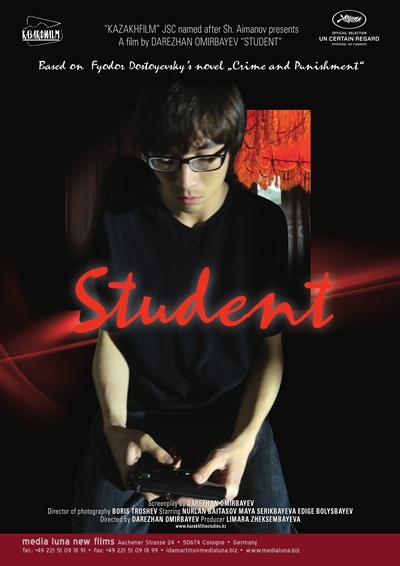
A solitary philosophy student steers his directionless life toward a violent crime, spurred on by a post-Soviet order characterized by growing inequality, institutional corruption and a ruthless ethic. Inspired by Dostoevsky’s Crime and Punishment. Official selection of the prestigious Global Lens Collection presented by the Global Film Initiative.Read More »
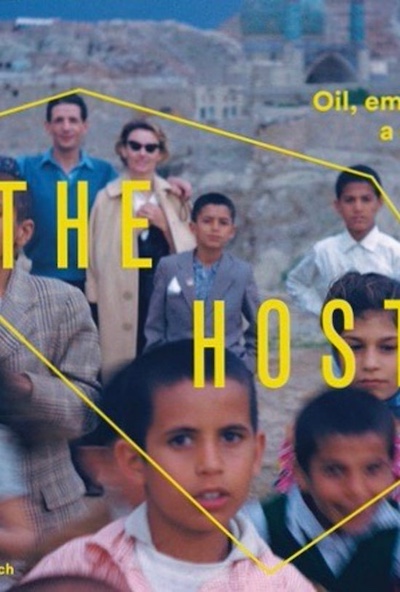
Quote: Miranda Pennell is investigating her family’s involvement with BP, the oil company created by the British and the Iranian governments during the imperial century. The filmmaker finds some letters written in the 1930s by a geologist who moved to Iran to study the origins of our civilization. By chance, personal memories intertwine with historical events, revealing unexpected connections.Read More »