1960s

  • Alfred Hitchcock – Marnie (1964)

    1961-1970Alfred HitchcockClassicsDramaUSA

    29f7c043f76a2bde437fd0d52a185152

    Quote:
    Marnie Edgar is a habitual liar and a thief who gets jobs as a secretary and after a few months robs the firms in question, usually of several thousand dollars. When she gets a job at Rutland’s, she also catches the eye of the handsome owner, Mark Rutland. He prevents her from stealing and running off, as is her usual pattern, but also forces her to marry him. Their honeymoon is a disaster and she cannot stand to have a man touch her and on their return home, Mark has a private detective look into her past. When he has the details of what happened in her childhood to make her what she is, he arranges a confrontation with her mother realizing that reliving the terrible events that occurred in her childhood and bringing out those repressed memories is the only way to save her.Read More »
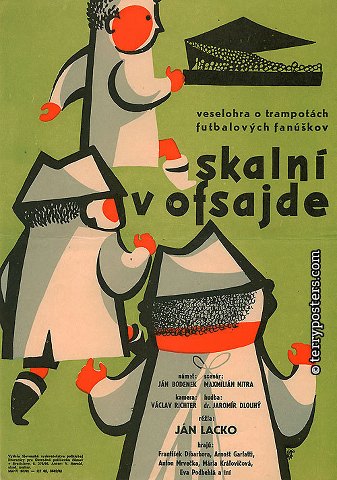
  • Ján Lacko – Skalni v ofsajde aka Soccer Fans (1960)

    Comedy1951-1960Ján LackoSlovakia

    29f7c043f76a2bde437fd0d52a185152

    Three soccer fans are determined to do literally anything to get to the soccer match between Czechoslovakia and the famous representation team of Brazil. Reaching their goal to see the dream match live cannot be precluded neither by a sudden work task nor family obligations. However, there is one more obstacle in their way: for some time, their enthusiastic behavior during soccer matches has been monitored by the police. This time, it will not be easy for them to get to the stadium.Read More »

  • Yôji Yamada – Kiri no hata AKA Flag in the Mist (1965)

    Drama1961-1970AsianJapanYôji Yamada

    29f7c043f76a2bde437fd0d52a185152

    Synopsis:
    When her only relative, her elder brother is accused of robbing and murdering an old woman loan-shark, pretty, young Kiriko (Chieko Baisho) travels from her home in Kyushu to Tokyo to get Japan’s top lawyer to defend her brother. Unfortunately her naive idealism is shattered when the lawyer refuses to take the case based on her insufficient funds. What follows is a long determined revenge plot that sees the heroine become a Tokyo bar hostess and worse to punish the lawyer. The plot thickens with another murder mystery and a sleuthing reporter. Read More »

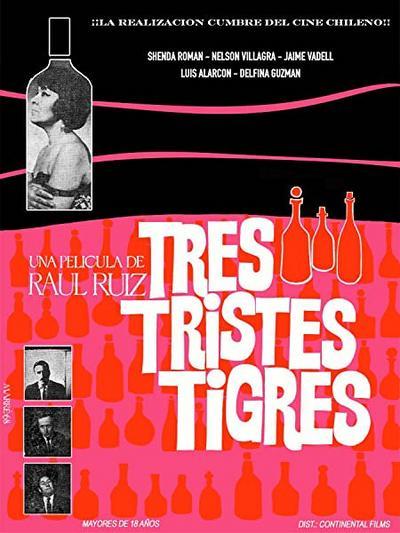
  • Raoul Ruiz – Tres Tristes Tigres (1968)

    Drama1961-1970ArthouseChileRaoul Ruiz

    29f7c043f76a2bde437fd0d52a185152

    Locarno International Film Festival
    1969 Won Golden Leopard

    The best Chilean film ever made.
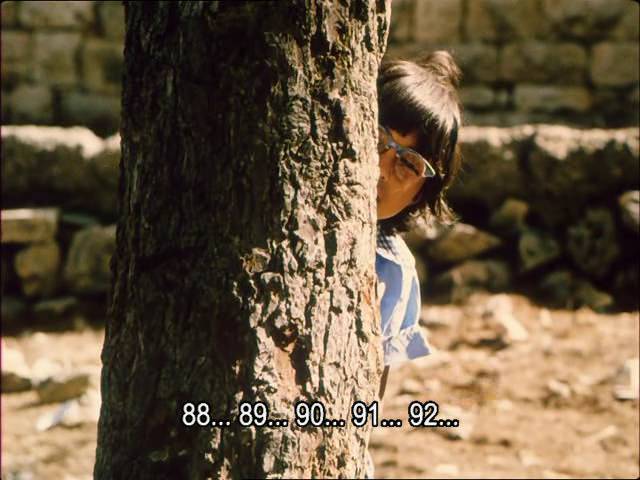
    This movie is the best portrait of Chilean society. Ruiz show us like a group of little people with little problems, with a very special way of life. The strangest Spanish in all South American with the funniest accent too. This movie is like Martin Scorsese’s Mean Street but without the crime ingredient. You must see it if you wanna know what’s to be a Chilean, how you can feel believing that you’re in the center of the world but actually living in the end, almost hanging from the continent. Raul Ruiz right now is living in Paris and making the most bizarre but fascinating films of the french production. “Tres tristes tigres” is very difficult to find but if you can, i tell you that you’ll have a real gem.Read More »

  • Robert Dhéry & Pierre Tchernia – La belle Américaine AKA The American Beauty (1961)

    1961-1970ComedyFranceRobert Dhery and Pierre Tchernia

    Marcel, a simple-minded factory worker, is tricked into buying a high-priced American convertable car by a widow determined not to let it fall into the hands of her late husband’s secretary/secret lover. Once in pocession of the car, Marcel only encounters one bad luck episode after another with the excessive gasoline consumtion, his wife trying to sell it to make ammends meet, getting into traffic jams, accidently riding into a car wash with the top down, and more.Read More »

  • Jorge Sanjinés – Yawar mallku AKA Blood Of The Condor (1969)

    Drama1961-1970BoliviaJorge SanjinésPolitics

    Quote:
    When Bolivian campesinos discover American doctors sterilizing women without their consent, they seek revenge­­ –– only to be repressed by the military. Filmed in Quechua in a remote Kaata village, it was banned by government censors, until a heated campaign forced them to relent. It went on to win acclaim abroad while provoking demonstrations, a Senate investigation and the expulsion of the Peace Corps at home. The film’s lack of success with indigenous audiences drove Sanjinés turn to collective filmmaking.Read More »

  • David Perlov – B’Yerushalaim aka in Jerusalem (1963)

    1961-1970David PerlovDocumentaryIsrael

    29f7c043f76a2bde437fd0d52a185152

    Interview with David Perlov
    © Uri Klein, Haaretz, Sep. 29 1993
    When you made In Jerusalem did you consciously plan to make a film
    that was different, of a kind we’d never seen before?
    “Yes, I was aware of the difference. In the film I interview an old man, a
    religious photographer, who tells me, ‘No one took photographs in the Holy
    Land before me. I was the first.’ I, too, said this while I was filming, but only to
    myself. I had a feeling that I was doing something decisive for myself and also
    for Israeli filmmaking.Read More »

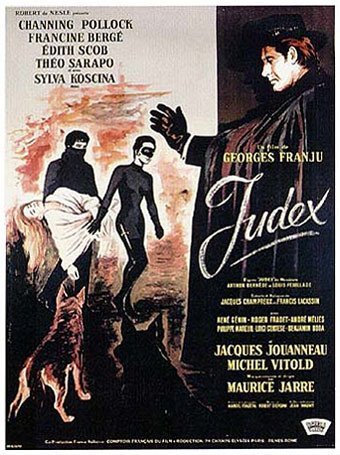
  • Georges Franju – Judex (1963)

    Drama1961-1970CrimeFranceGeorges Franju

    29f7c043f76a2bde437fd0d52a185152

    Quote:
    Favraux, an unscrupulous banker, receives a threatening note, signed by “Judex”, demanding that he pay back the people he has swindled. He refuses, and apparently dies after a midnight toast at his masked ball. However, he is only drugged by Judex and locked away. Judex spares his life when the banker’s widowed daughter, Jacqueline, rejects the inheritance. Meanwhile Diana Monti, the former governess, kidnaps Jacqueline to try to get the banker’s money. But Judex is hot on her trail.Read More »

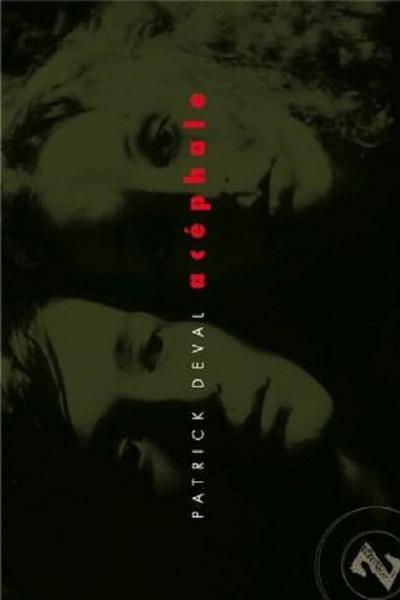
  • Patrick Deval – Acéphale (1969)

    1961-1970ArthouseExperimentalFrancePatrick DevalThe Films of May '68

    29f7c043f76a2bde437fd0d52a185152

    Synopsis:
    With its title taken from Georges Bataille’s journal Acéphale (literally, a headless man, but figuratively expressing the need to go beyond rational ways of thinking), Deval’s film is the most literary of the Zanzibar works. The film opens with an illustrative image: a head in the process of being shaved, in close up. This image is accompanied not by the sound of an electric razor but an electric saw, suggesting the need to achieve a tabula rasa by radical means. The story follows the adventures of a young man and his friends as they wander through a barely recognizable post–May 1968 Paris. In documenting the by-gone expressions and gestures of the ’68 generation in France, Acéphale becomes something of an anthropological film that reveals the rites and beliefs of the ideological novitiates.Read More »

Back to top button