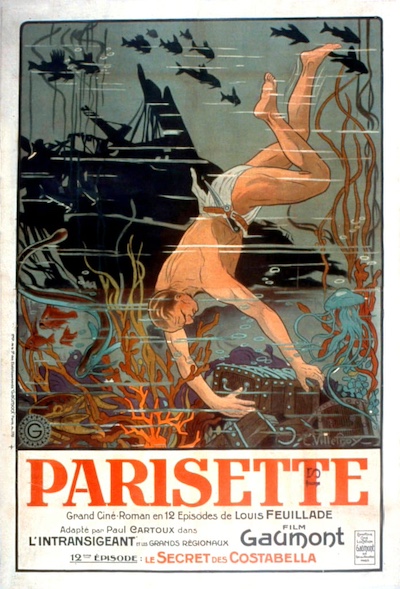
1 – Manoela Quote: In Portugal, Joaquim de Costabella, a deposed marquis, lives with his pious granddaughter Manoëla. When banker Alvarez comes to ask for Manoëla’s hand in exchange for renewing his drafts, the marquis throws him out. That same night, Alvarez’s house is burglarized and murdered…Read More »
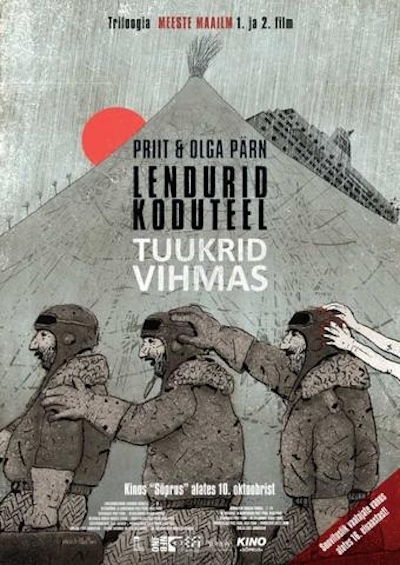
Having suffered the loss of their plane, three pilots inexplicably find themselves stranded in the middle of the desert. While following the perilous and unpredictable course that will ultimately lead them home, they fall prey to visions and must confront the siren call of their own strange fantasies. With Pilots on the Way Home, Priit and Olga Pärn (Divers in the Rain) have created a new, satirical meditation on male-female relations. The film tackles masculinity and the male psyche with the same pointed sense of the absurd that has marked Priit Pärn’s previous films. Pilots on the Way Home is also a journey through time and space, and to the universal sources of artistic eroticism. Olga Pärn is a master of the art of animating sand, giving Priit Pärn’s unique line drawings a warm and subtle texture reminiscent of etching. Her work is perfectly matched to the impassioned beats of this tale.Read More »
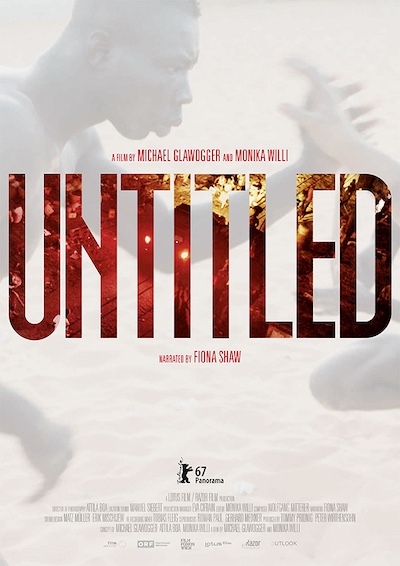
Synopsis “I want to give a view of the world that can only emerge by not pursuing any particular theme, by refraining from passing judgment, proceeding without aim. Drifting with no direction except one’s own curiosity and intuition.” (Michael Glawogger) More than two years after the sudden death of Michael Glawogger in April 2014, film editor Monika Willi realizes a film out of the film footage produced during 4 months and 19 days of shooting in the Balkans, Italy, Northwest and West Africa. A journey into the world to observe, listen and experience, the eye attentive, courageous and raw. Serendipity is the concept – in shooting as well as in editing the film.Read More »
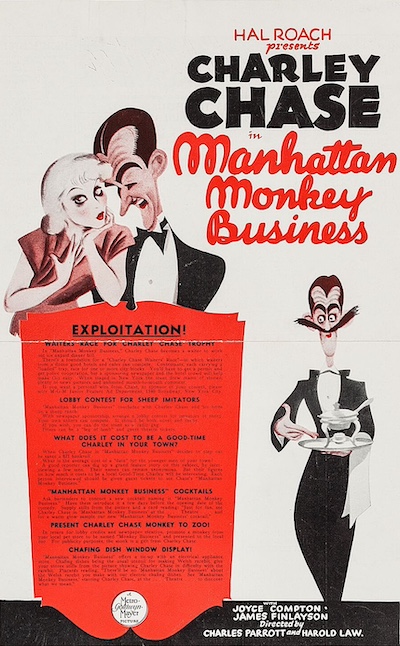
Quote: Death’s bells toll in tune to the march of war. On top of devastating losses, espionage also cripples General Müller’s army. Young Lieutenant Charley is entrusted with the delivery of Dossier 15, a document of utmost importance to the war effort. After a dangerous journey through enemy territory, Adjutant Bertram betrays him – it turns out that he’s spying for the enemy. Bertram replaces Dossier 15 with a worthless piece of paper which leads to Charley’s arrest. Charley must escape to avoid execution and expose the spy.Read More »
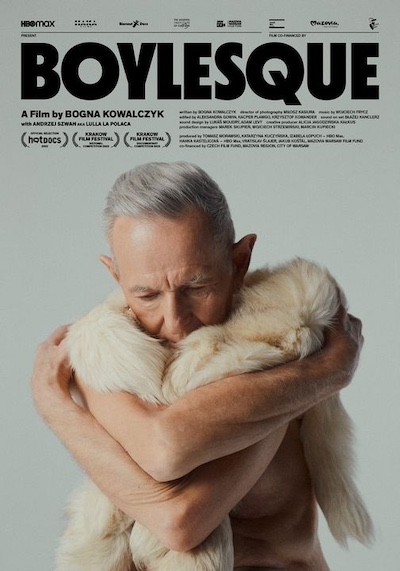
Synopsis He is already flirting with death, but still looking for the love of life – the queer performer Lulla La Polaca has turned 80 and still wants to dance, play and love. But the youthful soul is resisted by a weakening, aging body. What is it like to want what you can’t keep up with? Missing love, having so little time to fulfill it? A stranger in a tribe of retirees and thriving among the young, but always leaving him behind; Lulla doesn’t belong anywhere. Suspended between the memory of the old and the hope for a new relationship; from loneliness in the world of fantasy. The protagonist of the film does not fit any roles and generational deals: he goes to funeral homes and parades of equality; at dances and in gay clubs. The oldest Polish drag queen moves gracefully in a world that adores youth, and “Boylesque” captures the sensitive points of her biography.—GRead More »
Or shoulders a lot: she’s 17 or 18, a student, works evenings at a restaurant, recycles cans and bottles for cash, and tries to keep her mother Ruthie from returning to streetwalking in Tel Aviv. Ruthie calls Or “my treasure,” but Ruthie is a burden. She’s just out of hospital, weak, and Or has found her a job as a house cleaner. The call of the quick money on the street is tough for Ruthie to ignore. Or’s emotions roil further when the mother of the youth she’s in love with comes to the flat to warn her off. With love fading and Ruthie perhaps beyond help, Or’s choices narrow.Read More »
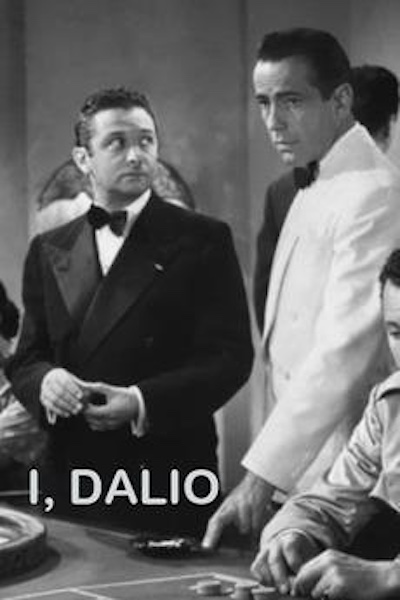
IMDB: The great French actor, Marcel Dalio, who has the lead role in Jean Renoir’s THE RULES OF THE GAME, also appears in Renoir’s GRAND ILLUSION. In both films he plays a character who is Jewish, as Dalio was in real life. In fact, in most of the French films he’s in the 1930s, he almost always plays shady characters, informers, blackmailers and gangsters. In other words, he is always “the Jew.” When the Nazis invaded France in 1940, he fled to America and appeared in CASABLANCA and TO HAVE AND HAVE NOT. In America, he was no longer the Jew but The Frenchman. He became, in dozens of films, America’s idea of a typical Frenchman. His film career has these two strands in which he has two different identities. Are you defined by other people and their perceptions of who you are? Are you always a creation of the way people want to see you? Or can you exist outside of the arbitrary boundaries which are placed on you? —FandorRead More »
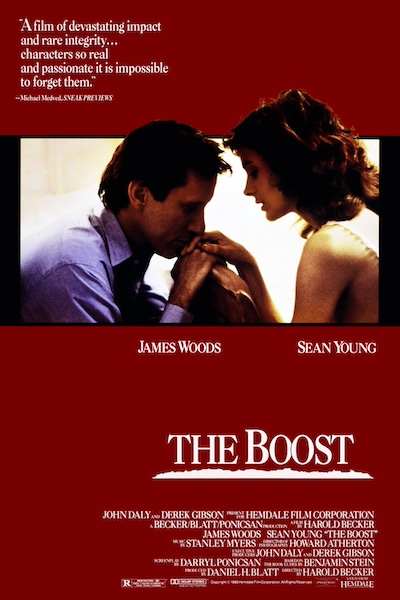
Lenny Brown moves to California to find his fortune in tax shelter investments. When the federal government changes the tax laws, poor Lenny finds himself $700,000 in hock with nowhere to turn. His friend, Joel, introduces him to cocaine to give Lenny that needed “boost”. What ensues next is a descent into drug addiction and insanity as Lenny tries to regain control of his life, all the while needing that extra “boost”.Read More »