• Yasujirô Ozu – Shukujo to hige aka The Lady And The Beard [+Extras] (1931)

    1931-1940DramaJapanSilentYasujiro Ozu

    http://img854.imageshack.us/img854/2594/vlcsnap2012031622h52m39.png

    29f7c043f76a2bde437fd0d52a185152

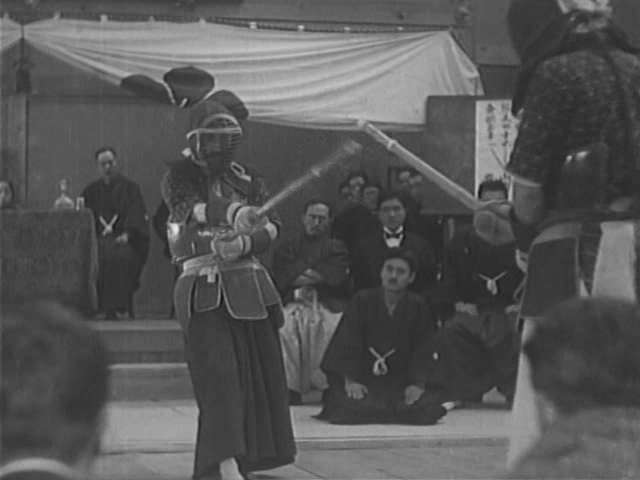
    The Lady and the Beard, directed by Yasujiro Ozu and starring Tokihiko Okada, is a charming light comedy about a young man who graduates from college, falls in love, shaves his beard at his lady’s suggestion, and finds a job. It’s very charming, and very light. Even my brief summary suggests more plot than actually exists. The film is largely a series of comic vignettes about a vibrant young man and three young women of differing temperaments who take an interest in him. [commentarytrack.com]
    Read More »

  • Marianne Kaplan – The Boy Inside (2006)

    2001-2010DocumentaryMarianne KaplanUSA

    http://img19.imageshack.us/img19/3030/titlepy.jpg

    29f7c043f76a2bde437fd0d52a185152

    Quote:
    Award-winning filmmaker Marianne Kaplan shares her son’s struggle to graduate elementary school in this intensely personal documentary about growing up with Asperger Syndrome, a form of high-functioning autism characterized by socially inappropriate behavior. The Boy Inside follows 12-year-old Adam as he tries desperately to control his outbursts and make sense of bullies, girls and life in the real world. A rare insight into an increasingly common neurological disorder, this film is the story of a family on the edge as they work to overcome a form of autism the world is only now beginning to recognize.Read More »

  • Pier Paolo Pasolini – Appunti per un film sull’india AKA Notes for a Film on India (1968)

    Documentary1961-1970IndiaPier Paolo PasoliniShort Film

    http://img515.imageshack.us/img515/4945/vlcsnap00247.jpg

    29f7c043f76a2bde437fd0d52a185152

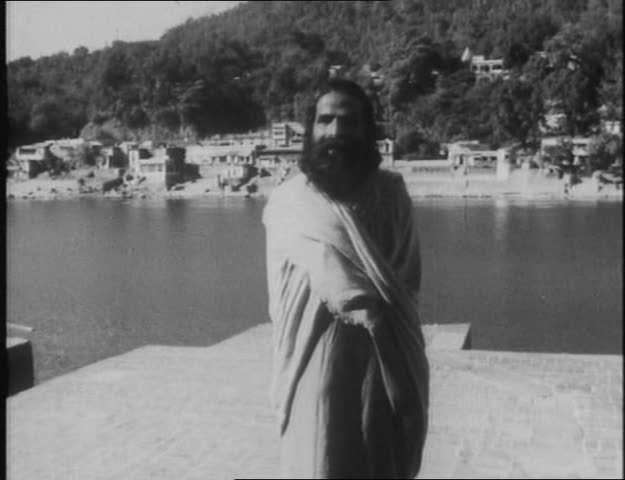
    here’s very little about this film on the internet. Pasolini travels to India to make notes about a future film he planned on making. He examines differences between the modern India and the historical one found in its mythologies and vedic texts by posing a particular question based on a didactic anecdote that no longer seems to apply in a twentieth century world. This ‘prehistory’ forms most of the first part of the film. The second part covers a modern India marred by social divisions, overpopulation and poverty. Pasolini keeps his focus on the human tragedy involved at all times.Read More »

  • Pier Paolo Pasolini – Salò o le 120 giornate di Sodoma AKA Salo, or the 120 Days of Sodom (1975)

    1971-1980ArthouseItalyPier Paolo Pasolini

    29f7c043f76a2bde437fd0d52a185152

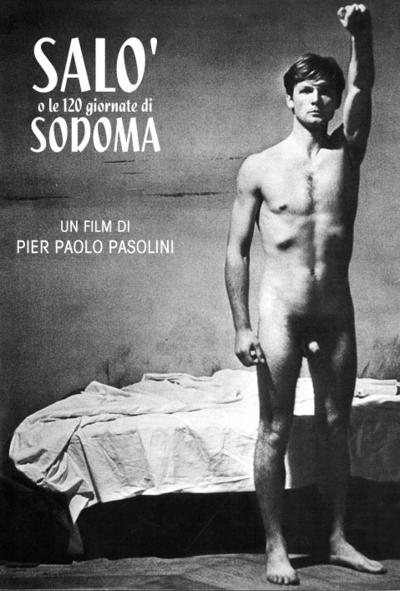
    Set in the Nazi-controlled, northern Italian state of Salo in 1944, four dignitaries round up sixteen perfect specimens of youth and take them together with guards, servants and studs to a palace near Marzabotto. In addition, there are four middle-aged women: three of whom recount arousing stories whilst the fourth accompanies on the piano. The story is largely taken up with their recounting the stories of Dante and De Sade: the Circle of Manias, the Circle of Shit and the Circle of Blood.Read More »

  • Pier Paolo Pasolini – Il Fiore delle mille e una notte AKA Arabian Nights (1974)

    Arthouse1961-1970FantasyItalyPier Paolo Pasolini

    29f7c043f76a2bde437fd0d52a185152

    Quote:

    The concluding part of Pier Paolo Pasolini’s “Trilogy Of Life”, following The Decameron and The Canterbury Tales, Arabian Nights corrects many of the mistakes found in the latter, noticeably its ramshackle, uneven approach, and returns to the charming territory of the former. Indeed, the film is as good as The Decameron, if not better, and is generally considered to be the trilogies crowning moment and one of Pasolini’s finest films (critic Tony Rayns recently included it amongst his choices for Sight and Sound’s 2002 Top Ten Critics’ Poll).Read More »

  • Pier Paolo Pasolini – Porcile aka Pigsty (1969)

    1961-1970Amos Vogel: Film as a Subversive ArtArthouseDramaItalyPier Paolo Pasolini

    29f7c043f76a2bde437fd0d52a185152

    Quote:
    One of Pasolini’s most enigmatic films, it extends his cinematic obsessions into the realms of cannibalism and bestiality with two interweaving stories of two young men who become sacrificial victims of their different societies. One of them is a soldier and cannibal (Clementi) in a medieval wasteland and the other a son (Léaud) of an ex-Nazi industrialist (Tognazzi) in modern-day Germany. The young German is more attracted to pigs than to his fiancée (Wiazemsky). This rather silly parable, very much a product of the late 1960s, in which the bourgeoisie is caricatured, is filmed with such calm beauty and underlying disgust that it seems to gain in significance. Theorem (1968) and Pigsty were the only films in which the Marxist Pasolini dealt directly with the hated middle classes; thereafter he left the 20th-century behind until his final film, Salo (1975), which looks at even more extreme human actions.Read More »

  • Jovan Jovanovic – Mlad i zdrav kao ruza aka Young and healthy as a rose (1971)

    Arthouse1971-1980Jovan JovanovicYugoslaviaYugoslavian Cinema under Tito


    29f7c043f76a2bde437fd0d52a185152

    Quote:
    A director with a very distinctive style, Jovan Jovanovic has filmed in 1971 one of the most significant works in the history of contemporary Serbian film. “Young and Healthy Like a Rose” is a strong visionary achievement that still looks topical today as back in the times when it was filmed and banned by the then communist censorship. A story about a young delinquent, who evolves from typical outsider to mafia boss of Belgrade seemed shocking back then; today, it is the cruel reality of our times. With incredible foresight of things to come, Jovanovic’s leading character says: “I am your future”. More poetical than Hollywood movies, much more realistic than “Trainspotting”. An exciting story about crime, drugs and the deadly grip of the secret police in Serbia. The best role of Dragan Nikolic, one of the rare ones he presented himself as a tough guy and the authentic sex symbol from this region. A slap in the face of film and other convention. A must see!Read More »

  • Heiner Carow – Die Legende von Paul und Paula AKA The Legend of Paul and Paula (1973)

    1971-1980CultDramaGermanyHeiner Carow

    29f7c043f76a2bde437fd0d52a185152

    Quote:

    Die Legende von Paul und Paula (English: The Legend of Paul and Paula) is a 1973 tragicomic East German film directed by Heiner Carow. It was based on the novel of the same name by Ulrich Plenzdorf.

    The film was extremely popular on release and drew as many as three million viewers (the GDR had a population at the time of around 17 million). However, due to the film’s political overtones it was almost not released; East German leader Erich Honecker personally decided to allow it to be shown. Today it is considered one of the best-known East German films.Read More »

  • Abbas Kiarostami – Rangha AKA The Colours (1976)

    1971-1980Abbas KiarostamiIranShort Film

    Quote:
    Abbas Kiarostami, director of such somber films as Taste Of Cherry, is the last person one would suspect of dabbling in goofy formalist instructional movies. Nevertheless, that’s what he does here. A color is brought up – red, for example. Then various red things are shown, starting with that which is found in nature and going from there. And so on for various colors. Also, a boy with a pistol shoots different colored bottles of water and the same boy is the last survivor of a car chase. This is rather inconsequential but fun – like Seseme Street for simpleminded adults.Read More »

Back to top button