Quote:
Mournful Unconcern (Russian: Скорбное бесчувствие, translit. Skorbnoye beschuvstviye) is the third produced film by Alexander Sokurov, completed in 1983, but the fourth released one, as it was banned by Soviet authorities until perestroika in 1987. The film, set during World War I, is inspired by Bernard Shaw’s play Heartbreak House. Professional actors (Zamansky, Osipenko, Sokolova and others) were used alongside amateur actors, like in most early Sokurov films, and many of the trademarks of his cinematographic style were already apparent.
Read More »
-
Aleksandr Sokurov – Skorbnoye beschuvstviye aka Anaesthesia Psychica Dolorosa aka Mournful Unconcern (1987)
1981-1990Aleksandr SokurovArthouseDramaUSSR -
Amo Bek-Nazaryan – Namus (1926)
1921-1930Amo Bek-NazaryanArmeniaDramaSilent
plot:
Young lovers Seyran and Susan meet a tragic fate because of patriarchal prejudices of their parents. Although arranged for marriage in early childhood, and despite youngsters’ love, Barkhudar marries his daughter Susan to another man, as a matter of honour.Read More » -
Amir Naderi – Cut (2011)
2011-2020Amir NaderiArthouseJapanQuote:
Cut, by Iranian expatriate Amir Naderi, is a brilliantly offbeat homage to Japanese cinema,” blogs Kieron Corless for Sight & Sound. “It opens on a rootop in Tokyo, where keeper-of-the-flame filmmaker protagonist Shuji projects classic films to a group of friends. The rest of the time he spends haranguing the citizens of Tokyo through a megaphone about the destruction of ‘pure cinema’ by crass commercial fodder, and visiting the graves of Japanese masters Ozu, Mizoguchi and Kurosawa. The film then takes, via the death of his brother at the hands of the yakuza, what seems at first a strange but wonderful detour. Shuji must now clear, in just two weeks, a massive debt that his brother accumulated to finance Shuji’s films; the unexpected method he hits on to do so opens up frightening perspectives on the depths of his devotion to cinema, in the most masochist way imaginable.Read More » -
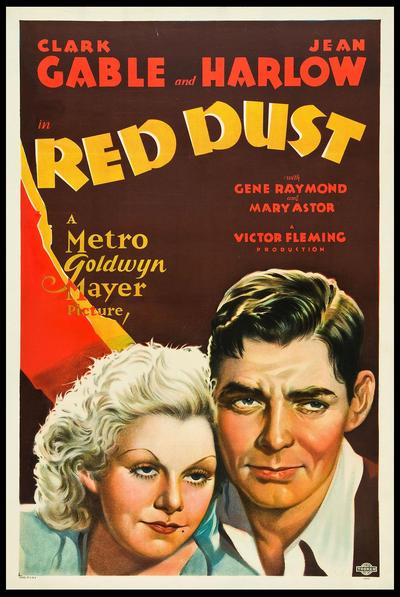
Victor Fleming – Red Dust (1932)
1931-1940DramaRomanceUSAVictor Fleming
Plot:
Conditions are spartan on Dennis Carson’s Indochina rubber plantation during a dusty dry monsoon. The latest boat upriver brings Carson an unwelcome guest: Vantine, a floozy from Saigon, hoping to evade the police by a stay upcountry. But Carson, initially uninterested, soon succumbs to Vantine’s ostentatious charms…until the arrival of surveyor Gary Willis, ill with malaria, and his refined but sensuous wife Barbara. Now the rains begin, and passion flows like water…Read More » -
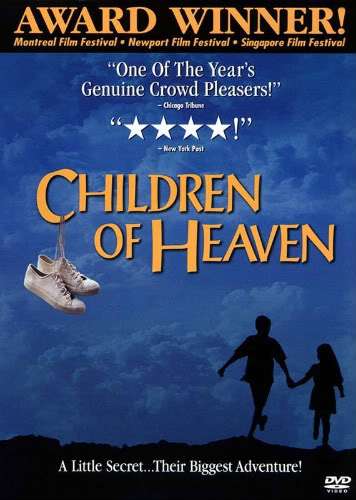
Majid Majidi – Bacheha-Ye aseman AKA Children Of Heaven (1997)
1981-1990ArthouseDramaIranMajid MajidiMovie Review
The Children of Heaven (1997)
FILM REVIEW; For a Pair of Sneakers, Longing, Lies and a Plan
By JANET MASLINThe young hero of Majid Majidi’s ”Children of Heaven” is played by Mir Farrokh Hashemian, a desolate-looking boy with huge brown eyes and a way of sending tears suddenly rolling down his cheeks. Those tears well up with some regularity during this film about 9-year-old Ali, his younger sister Zahra (Bahareh Seddiqui) and their scheme for sharing a pair of his tattered sneakers. The children want to hide the fact that Zahra’s shoes have been lost because this will be a hardship for their parents. The family’s carefully detailed poverty, which reflects the filmmaker’s own childhood experience, colors everything that happens in this story.
Events in the film are seen through the children’s ingenuous eyes, as is so often and artfully the case in Iranian films. (A child’s-eye view is, among other things, helpful in circumventing Government censors.) But in the more honest, less manipulative films that this one resembles — especially the graceful work of Jafar Panahi (”The White Balloon,” ”The Mirror”) — what the young characters observe is liable to be more surprising than it is here. In ”Children of Heaven,” life is sweet despite countless hardships, and no reality beyond the economic intrudes upon a fairy tale atmosphere. Only through heavy-handed emphasis does the quest for new sneakers take on any greater meaning.Read More »
-
Philip S. Solomon – Psalm III: ‘Night of the Meek’ (2002)
2001-2010ExperimentalPhilip S. SolomonUSAMade in remembrance of Anne Frank, Solomon’s fragile and haunting film evokes Kristallnacht (“the night of broken glass”) and Gustav Mahler’s Kindertodenlieder (“Songs on the Death of Children”). Stan Brakhage wrote memorably of Solomon’s filmmaking craft that it “utilizes the organic mold and dry crack patterns, the natural decay of the footage, until the original subject matter, its anima, crawls with the textural ‘maggots’ of its own chemical decomposition and dissolves in a beautiful display of multifaceted light.”Read More »
-
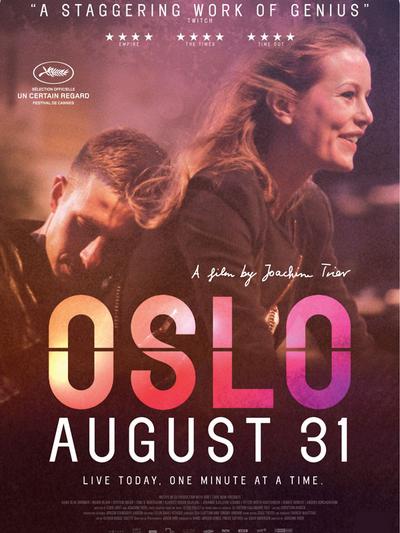
Joachim Trier – Oslo, 31. august (2011)
2011-2020ArthouseJoachim TrierNorwayAnders will soon complete his drug rehabilitation in the countryside. As part of the program, he is allowed to go into the city for a job interview. But he takes advantage of the leave and stays on in the city, drifting around, meeting people he hasn’t seen in a long while. Thirty-four-year-old Anders is smart, handsome and from a good family, but deeply haunted by all the opportunities he has wasted, all the people he has let down. He is still relatively young, but feels his life in many ways is already over. For the remainder of the day and long into the night, the ghosts of past mistakes will wrestle with the chance of love, the possibility of a new life and the hope to see some future by morning. Read More »
-
Rodney Ascher – Room 237 (2012)
USA2011-2020DocumentaryExperimentalRodney Ascher
A subjective documentary that explores the numerous theories about the hidden meanings withinStanley Kubrick’s film The Shining (1980). The film may be over 30 years old but it continues to inspire debate, speculation, and mystery. Five very different points of view are illuminated through voice over, film clips, animation and dramatic reenactments. Together they’ll draw the audience into a new maze, one with endless detours and dead ends, many ways in, but no way out.Read More »
-
James Benning – The War (2012)
2011-2020DocumentaryJames BenningPoliticsUSAQuote:
The first two-thirds of the 55 minute video is a selection of activist/art-activist videos produced by Voina: several acts against the police and the Russian state, both violent (turning over cop cars, setting fires) and prankish (staging a protest concert during a courtroom hearing, women activists kissing female police officers, painting a giant penis on a drawbridge facing the old KGB building), as well as more narrative or conceptual videos, including Pussy Riot’s Orthodox church musical intervention / music video and the disturbing integration of children of group members into their protests and art.Read More »