• Gan Bi – Nanfang AKA South (2010)

    2001-2010AsianChinaGan BiShort Film

    Quote:
    Original Title in Chinese: 南方
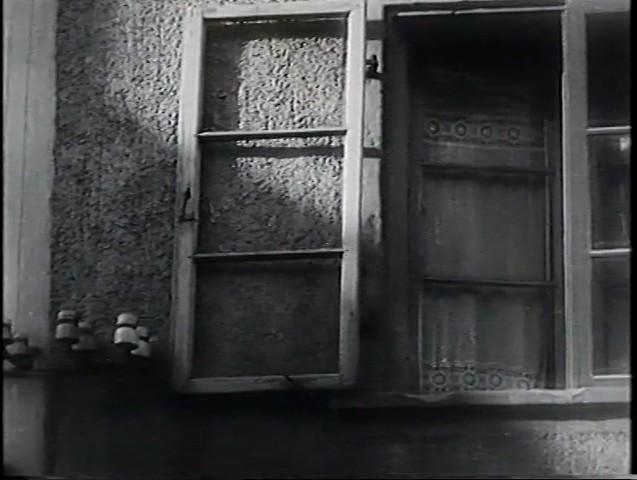
    When studying in campus, Gan Bi (Kaili Blues and Long Day’s Journey Into Night) finished his first work Nanfang (South) in 2010. This work got a golden prize of the best film in the film festival of his school.

    It is said that Gan Bi doesn’t care about the preservation of the digital copies of his works. Two of his early works are not easy to find. And this one is the best quality I can find. And another work called Laohu (Tiger) is still no resources…Read More »

  • Danièle Huillet & Jean-Marie Straub – Dalla nube alla resistenza, aka: From the Cloud to the Resistance (1979)

    1971-1980ArthouseDanièle Huillet and Jean-Marie StraubDramaItaly


    29f7c043f76a2bde437fd0d52a185152

    Straub/Huillet’s From the Cloud to the Resistance (1978) has been summarized by Straub as follows: ‘From the cloud, that is from the invention of the gods by man, to the resistance of the latter against the former as much as to the resistance against Fascism.

    ‘Dalla nube alla resistenza (From the Cloud to the Resistance ) (1978), based on two works by Cesare Pavese, falls into the category of History Lessons and Too Early, Too Late as well. It, too, has two parts—a twentieth-century text and a text regarding the myths of antiquity, each set in the appropriate landscape. Pavese’s The Moon and the Bonfires looks back on the violent deaths of Italian anti-Fascist resistance fighters; Dialogues with Leucò is a series of dialogues between heroes and gods, connecting myth and history and returning to an ambiguous stage in the creation of distinctions, such as that between animal and human, which are fundamental to grammar and language itself. Such a juxtaposition of political engagement with profoundly contemplative issues such as myth, nature, and meaning points to the characters of Empedocles and Antigone in the Hölderlin films.’

    (Library Synopsis): Six dialogues between figures from Greek antiquity, taken from Cesare Pavese’s ‘Dialoghi con Leucò’, are followed by an episode set in modern times, taken from the same author’s novel ‘La Luna e i falò’.Read More »

  • Robert Breer – Blazes (1961)

    USA1961-1970Amos Vogel: Film as a Subversive ArtExperimentalRobert BreerShort Film

    Rob Breer blazing the trail.Read More »

  • Eduard Tisse – Frauennot – Frauenglück AKA Women’s Misery – Women’s Happiness (1976 edition) (1930)

    1921-1930DocumentaryEduard TisseGermany

    Quote:
    First feature produced in Switzerland. Film deals with abortion, in two parts: first, fictional part addresses the social aspects; second, documentary part addresses the dangers of clandestine abortions. Film concludes with a eulogy to maternity.Read More »

  • Fernando E. Solanas – Argentina latente AKA Dormant Argentina (2007)

    2001-2010ArgentinaDocumentaryFernando E. SolanasPolitics

    Part 3 of the series preceded by Memoria del saqueo & La dignidad de los nadies, and followed by La tierra sublevada.

    Quote:
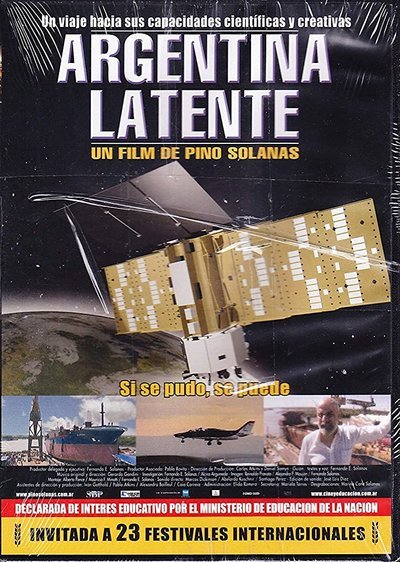
    Two years ago I very favorably reviewed the Argentinian documentarian Fernando E. Solanas’ Dignity of the Nobodies, shown at the 2006 SFIFF. This new work by Solanas deals with exploitation of his country from outside and how Argentina can get out from under that and become a strong, rich, independent country. My heading for Dignity was “Chaotic and grainy, but for some of us, essential viewing.” This one isn’t so grainy, and it’s still essential.Read More »

  • John Gianvito – The Mad Songs of Fernanda Hussein (2001)

    2001-2010ArthouseJohn GianvitoPoliticsUSA

    Quote:
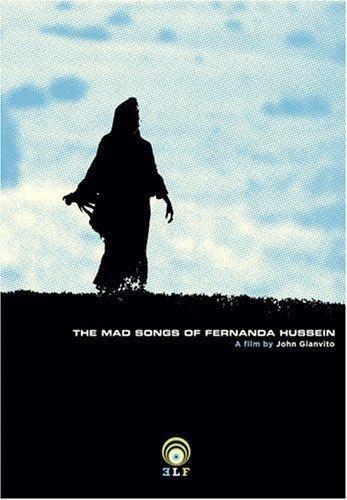
    Self-funded, 16 mm and six years in the making, this politically-engaged, heartfelt and pantheistic three-hour exploration of American responses to the Gulf War is effectively unique in its decision to commit this conflict to celluloid. Written and directed by John Gianvito, programmer of the Harvard Film Archive, it weaves three fictional strands alongside documentary footage, interviews and a singular concert performance to create a multi-stranded, many-layered text that is fueled as much by (focused) anger as it is by the prerogatives of aesthetics.Read More »

  • Robert Breer – Bang! (1986)

    1981-1990AnimationExperimentalRobert BreerUSA

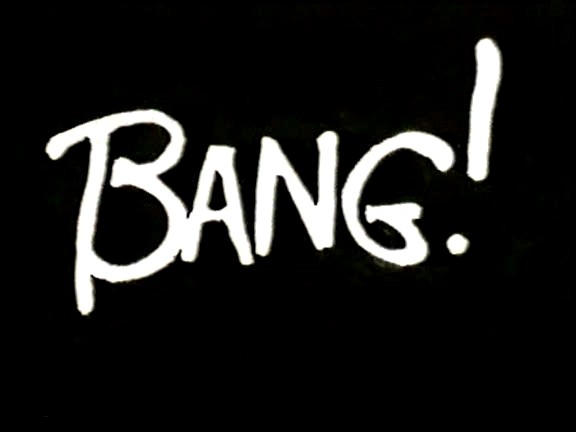
    An experimental film in which a photograph of an airplane turns into a wire diagram, then into an animated plane in flight, and then it explodes into words.Read More »

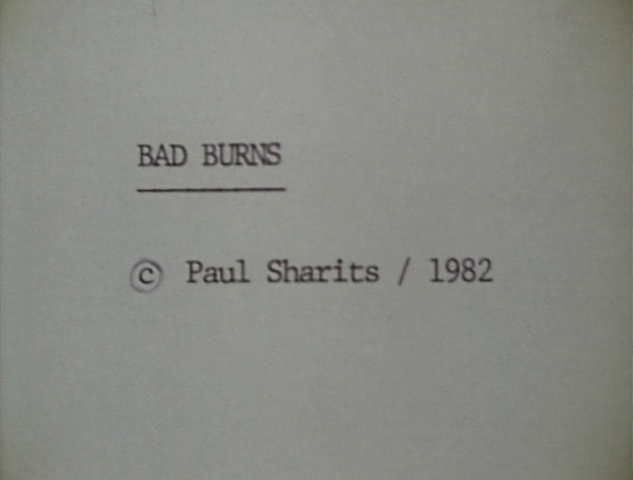
  • Paul Sharits – Bad Burns (1982)

    1981-1990ExperimentalPaul SharitsShort FilmUSA

    16mm, color, silent, 6 minutes, print from Anthology Film Archives Preserved by Anthology Film Archives

    “Film is a fragile medium, and some artists push its fragility to the breaking point. Paul Sharits (1943–93) was a pusher.‘I think of [film] as a sort of a primitive, vulnerable medium,’ said Sharits. ‘I know it’s going to disappear, and I almost look upon it with a certain empathy.’ He moved his films out of the theater and into the gallery, creating multiscreen environments that exploited the qualities that made film different from the other visual arts. The projectors, with their clatter and flickering light, became protagonists, and the strips of celluloid, agents of ephemeral beauty.Read More »

  • Aki Kaurismäki – Kauas pilvet karkaavat AKA Drifting Clouds (1996)

    1991-2000Aki KaurismäkiArthouseComedyFinland

    Synopsis:
    A married couple struggles with the repercussions of unexpected unemployment in this wry comedy drama from Finnish filmmaker Aki Kaurismaki. Ilona, the wife, works as restaurant hostess and her husband Lauri drives a tram. Though the couple has recently lost a child, they both seem at peace and happy. One night Ilona comes home and finds that Lauri has purchased a beautiful television on credit. Shortly thereafter disaster strikes when Ilona’s workplace closes and Lauri gets caught in a maelstrom of downsizing. Neither is able to find suitable work right away and as time crawls by, they become humiliated and testy with each other. Read More »

Back to top button