A German stage actor finds unexpected success and mixed blessings in the popularity of his performance in a Faustian play as the Nazis take power in pre-WWII Germany. As his associates and friends flee or are ground under by the Nazi terror, the popularity of his character supercedes his own existence until he finds that his best performance is keeping up appearances for his Nazi patrons.Read More »
Letter to Jane is a 1972 French postscript film to Tout Va Bien directed by Jean-Luc Godard and Jean-Pierre Gorin and made under the auspices of the Dziga Vertov Group. Narrated in a back-and-forth style by both Godard and Gorin, the film serves as a 52-minute cinematic essay that deconstructs a single news photograph of Jane Fonda in Vietnam. This was Godard and Gorin’s final collaboration.Read More »
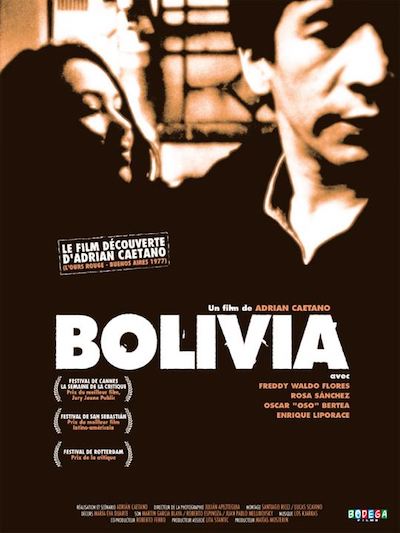
Quote: A Bolivian immigrant working illegally as a cook in a small restaurant in Buenos Aires suffers abuse and discrimination from its customers.Read More »
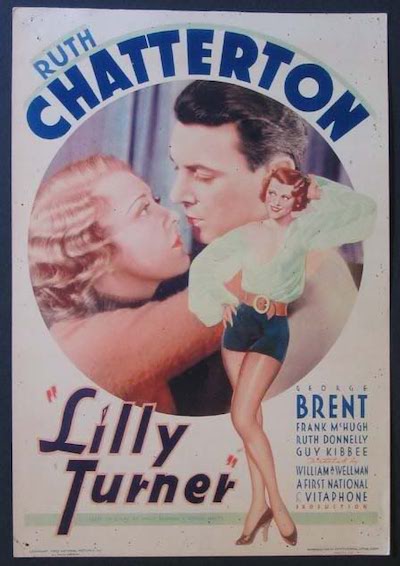
Lilly Turner (1933) provided a bravura role for star Ruth Chatterton, and another opportunity to display her versatility. Lilly is a hard-luck dame with lousy taste in men. First she marries a no-good bounder who promises her the world, but instead turns her into a cootch dancer in a carnival. Then she finds out her “husband” already has a wife. Left alone and pregnant, Lilly marries an alcoholic pal (Frank McHugh), and the couple joins a traveling medicine show. Things go from bad to worse when a psychotic strongman in the show develops an obsession for her. When a genuine nice guy, played by Chatterton’s then-husband George Brent, comes into her dreary life, Lilly tries to grab some happiness. But it may be too late.Read More »
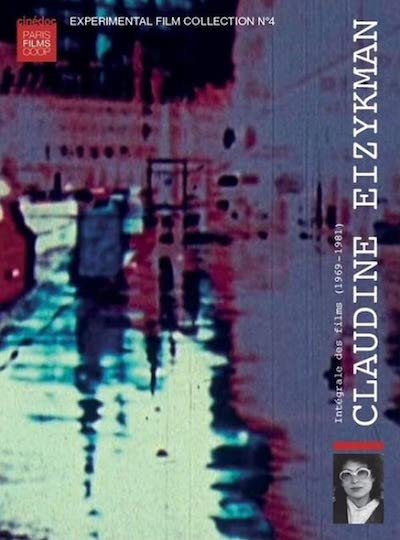
Lapse is a research of a porous state of the cinematographic material which by “intra-photogrammic fragmentation” (Claudine Eizykman) and encrustation of grains unfolds in its crackling like a film in mesh.Read More »
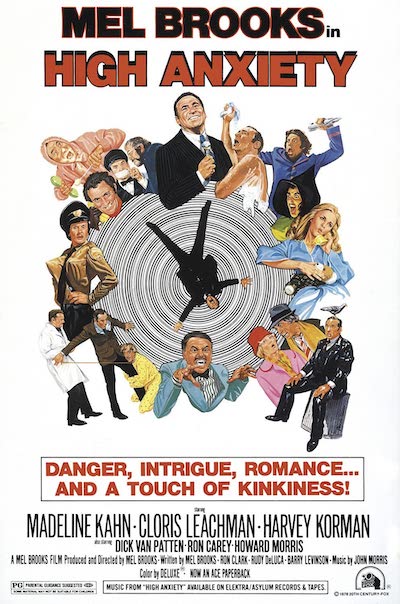
Quote: A psychiatrist with intense acrophobia (fear of heights) goes to work for a mental institution run by doctors who appear to be crazier than their patients, and have secrets that they are willing to commit murder to keep.Read More »
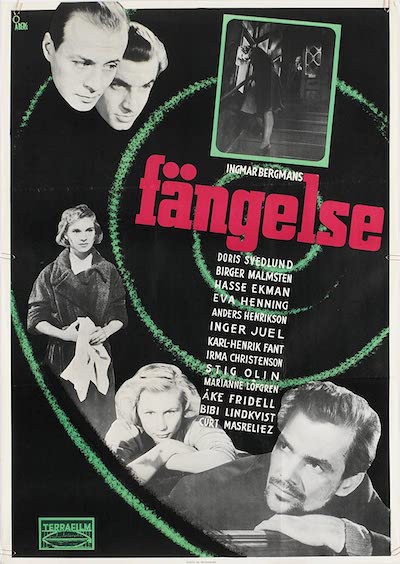
Synopsis: A movie director is approached by his old math teacher with a great movie idea: the Devil declares that the Earth is hell. The director rejects the idea, but subsequent events in the life of a writer, a friend of the director’s, and a young prostitute he loves seem to prove the math teacher’s idea.Read More »
Quote: The year is 1972. Master Italian filmmaker Luchino Visconti is struck down by a stroke, rendering him, one would think, unable to continue making films—and this just two years after hitting a late-career high point with Death in Venice. But like many artists kept alive by their muse, Visconti heroically persevered, managing to complete two more films before finally succumbing to a heart attack in 1976. Adaptability being a key ingredient to any sort of artistic longevity, Visconti took his ailments not as hindrance, but as a challenge toward the realization of a new project. Taken by a story written by past collaborator Enrico Medioli and intrigued by the cinematic restrictions afforded such an intimate character study, Visconti—now very limited in his physical movements and activity—saw both personal and logistical promise in this tale of aging, nostalgia, and generational divide, which was entitled Conversation Piece after an illustrated novel of family portraits of the same name by Mario Praz.Read More »