Quote:
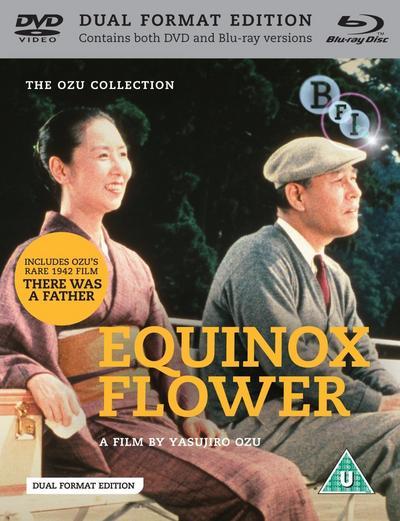
The first color feature film from Yasujiro Ozu, Equinox Flower is a spare, evocative, and compassionate portrait of aging, transition, and change. The title of the film refers to a red amaryllis flower that blooms near the autumnal equinox, and red imagery pervade the film: the brick train station building, the carpeting of the wedding banquet, Yukiko’s obi, the tea kettle at the Hirayama home. Similar to Ingmar Bergman’s Autumn Sonata and Andre Techine’s Ma Saison Preferee, the season serves as a reflection of Hirayama’s generation, attempting to reconcile with the profound cultural and social changes of postwar Japan. The film opens to the image of the train station and cuts to a shot of the hallway of the wedding reception. It is a reminder of Hirayama’s own transitional passage – an elegy for the quickly vanishing traditions of an irretrievable past, and a celebration of renewed hope and promise.Read More »
Yasujiro Ozu
-
Yasujirô Ozu – Higanbana AKA Equinox Flower (1958)
1951-1960DramaJapanYasujiro Ozu -
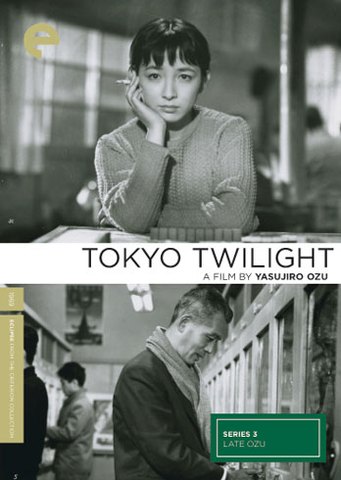
Yasujirô Ozu – Tôkyô boshokuAKA Tokyo Twilight (1957)
1951-1960ClassicsDramaJapanYasujiro OzuSynopsis:
Two sisters live with their father. The younger sister is embroiled in an affair and becomes pregnant. The elder sister has run away from her husband and returned with her child to her parent’s home. Both sisters are astonished when their mother, long thought dead, turns up alive. The sisters are even more stunned when they learn what their mother’s life has been.Read More »
-
Yasujirô Ozu – Wasei kenka tomodachi (1929)
Comedy1921-1930JapanShort FilmYasujiro Ozu
A more than pleasant, funny and touching short(ened) burlesque comedy of young Y. Ozu.
Two friends provide shelter to an orphan girl they have accidentally knocked down.Read More » -
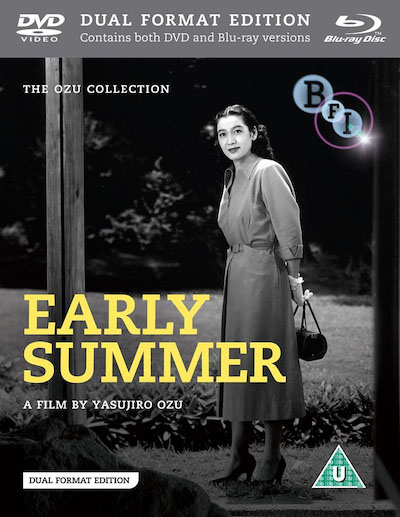
Yasujiro Ozu – Bakushû AKA Early Summer (1951)
Drama1951-1960AsianJapanYasujiro Ozu

Quote:
An independent-minded 28-year old woman living in cosmopolitan, postwar Tokyo may seem immune from the societal pressures of marriage, but in Noriko’s (Setsuko Hara) environment, it is a perennially surfacing, unavoidable topic. Her father, Shukichi (Ichirô Sugai), and mother, Shige (Chieko Higashiyama), are unable to retire to her uncle’s house in the provincial town of Yamato until their duty to marry off Noriko to a worthy suitor has been fulfilled. Her visits with school friends invariably break down into playful arguments between the married and unmarried women. Even her office director offers to introduce her to a 40-year old business acquaintance, providing her photographs of the obscured prospective suitor to take home to show her family. Read More » -
Yasujiro Ozu – Otona No Miru Ehon – Umarete Wa Mita Keredo AKA I Was Born, But… (1932)
1931-1940ComedyJapanSilentYasujiro Ozu

Otona no miru ehon – Umarete wa mita keredo / 大人の見る繪本 生れてはみたけれど
PLOT: Two young brothers become the leaders of a gang of kids in their neighborhood. Ozu’s charming film is a social satire that draws from the antics of childhood as well as the tragedy of maturity.Read More »
-
Yasujirô Ozu – Shukujo to hige aka The Lady And The Beard [+Extras] (1931)
1931-1940DramaJapanSilentYasujiro Ozu
The Lady and the Beard, directed by Yasujiro Ozu and starring Tokihiko Okada, is a charming light comedy about a young man who graduates from college, falls in love, shaves his beard at his lady’s suggestion, and finds a job. It’s very charming, and very light. Even my brief summary suggests more plot than actually exists. The film is largely a series of comic vignettes about a vibrant young man and three young women of differing temperaments who take an interest in him. [commentarytrack.com]
Read More » -
Yasujirô Ozu – Akibiyori AKA Late Autumn (1960) (HD)
1951-1960ArthouseDramaJapanYasujiro OzuWhen college nostalgia inspires a group of middle-aged businessmen to match-make for the widow – played with measured dignity by Setsuko Hara – of one of their friends and her daughter, they have no idea of the strife their careless interference will cause. Late Autumn’s examination of familial upheaval moves effortlessly from comedy to pathos and is amongst the finest of legendary director Yasujiro Ozu’s post-war films. (-BFi)Read More »