ELECTRIC EDWARDIANS: THE FILMS OF MITCHELL & KENYON
Probably the most exciting film discovery of recent times, the films of Sagar Mitchell and James Kenyon were commissioned by travelling exhibitors at the dawn of the twentieth century for screening in town halls, at village fetes or local fairs. Advertised as ‘local films for local people’, the audience paid to see their neighbours, children, family and themselves on the screen, glimpsed at local football matches, leaving work, marching in civic processions or enjoying the annual works holidays.Read More »
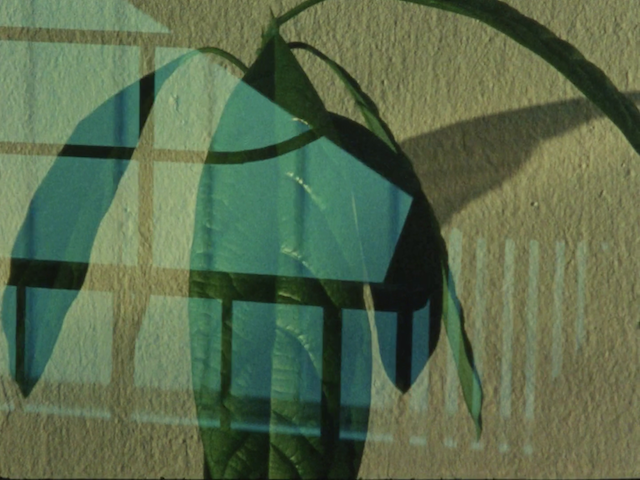
Quote: To return again. To re-align is the object of these visits, perhaps. Geography of origin becoming catalyst for an inner re-alignment with the secret, private, unspoken work of one’s being. Peering into layers, sliding planes of windows and time, the fragmentary gesture of the dance. A series of rapid contrasts, a synthesis of elemental and everyday experience. Structures shift and intermingle, two worlds become one.Read More »
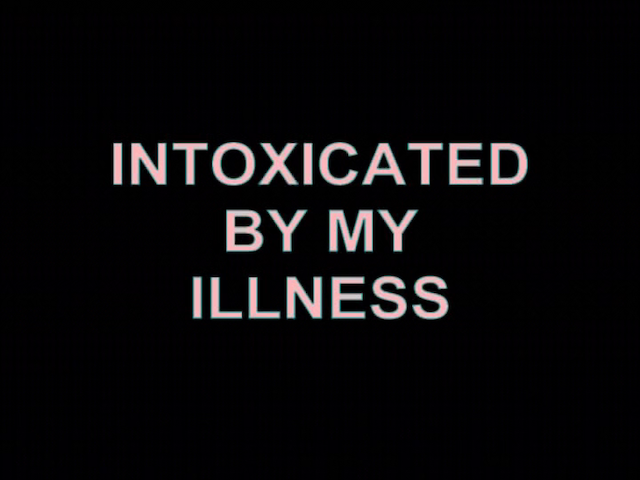
Intoxicated by My Illness (in which images photographed by several people are extensively superimposed) loosely and dreamily tracks a phase in Dwoskin’s recent life that took him from medical examination to intensive care.
Mostly it is a reverie about erotic fantasy – especially the excruciating, poignant ambiguity of bodily sensation strung out between intense pain and exquisite pleasure, between the figures of the nurse, who might be imagined as a bondage mistress, and the bondage mistress, who touches the ‘dominated’ body in the most tender way imaginable. Dwoskin periodically overlays known ‘movie music’ in order to ironically foreground his own ‘self dramatisation’, all the while drawing us into a rare and precious intimacy in extremis.Read More »
Hundreds of young revolutionaries take to the streets of Kinshasa when Joseph Kabila, President of the Democratic Republic of Congo, refuses to relinquish power at the end of his second term. Protests are met with violence, but the battle for free elections and democracy cannot be repressed. Quote: Sidestepping conventional approaches to narrative, Kinshasa Makambo is a ground-level account of collective action told with blistering immediacy. With his attentive, perceptive camera, Dieudo Hamadi takes to the streets for an urgent portrait of young Congolese protestors fighting for democracy.Read More »
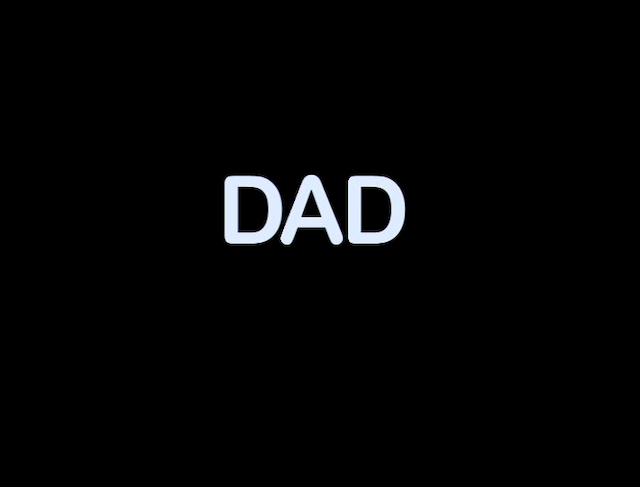
‘An ode to my father, and perhaps to all fathers. Called a “moving painting” by my sister, the film blends found family footage of the young and the ageing father. It takes the tiny gestures of daily life and turns them into the monumental moments of tenderness and respect.’Read More »
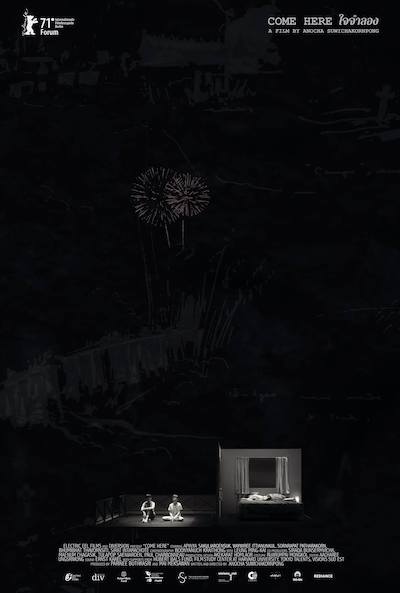
How do you put together the puzzle if the image is missing? You start from individual pieces and see how they fit together. There are the four young actors on a trip to Kanchanaburi, “a city so meaningful, I’d rather die if I don’t get to be with you”, as the song goes. They stay in a hut in the forest by the river, drink on the terrace, talk and watch the fireworks at night, the same scene they later re-enact on the stage set back in Bangkok. The harried young woman is lost in the same forest, or maybe in the young actress’ dream; when the screen splits into two distinct parts, it’s also not clear how they fit together. The foursome came to Kanchanaburi to see the museum, but it’s closed for refurbishment, although they still manage to walk along Hellfire Pass. You can hear the sounds of construction as the scenery rushes past on the train; you can see the rails rush towards you from the window of the theatre set. If you follow the Death Railway back from the west, you reach Bangkok too, which was once home to the Dusit Zoo; the actors also cluck, howl and bark, in city and country alike. What if the missing image isn’t one place or moment in time, but many?(From Berlinale Forum)Read More »
”Born To Lose (The Last Rock & Roll Movie)’ documents the myth, and dark reality, of Johnny Thunders. It contains plenty of choice concert material, much of which has never been seen before. There are also a large number of interviews with people talking about Johnny but none of Johnny himself. Some of the scenes in this film were shot by Lech for two un- finished films that were to star Johnny titled ‘Gringo’ and ‘Stations Of The Cross.’Read More »
“In 1946, my great-grandfather murdered a black man named Bill Spann and got away with it.” So begins Travis Wilkerson’s critically acclaimed documentary, Did You Wonder Who Fired the Gun?, which takes us on a journey through the American South to uncover the truth behind a horrific incident and the societal mores that allowed it to happen. Acting as narrator and guide, Wilkerson spins a strange, frightening tale, incorporating scenes from To Kill A Mockingbird, the music of Janelle Monáe and Phil Ochs, and the story of Rosa Parks’ investigation into the Recy Taylor case, as well as his own family history, for a gripping investigation into our collective past and its echoes into the present day.Read More »