Quote: Sheikh Imam or Imam Mohammad Ahmad Eissa, born in 1918, is known in the Arab world for his songs critical of the ruling class. Considered the voice of the oppressed, he was banned from state television and radio, and was imprisoned many times, including in 1974 during the visit of President Nixon.Read More »
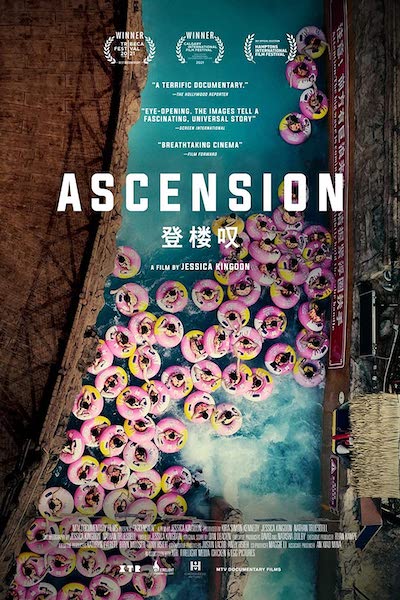
Near the final throes of director Jessica Kingdon’s shockingly incisive, observational nonfiction feature debut “Ascension,” a young woman, presumably a social media influencer, poses for an impromptu photo session in the grounds of a luxurious hotel. Opulence surrounds her as far as the photographer’s lens can see. Suddenly, however, cinematographer Nathan Truesdall unveils a landscaper in close proximity working arduously under intense heat. The jarring contrast of the two realities contained within the same frame illustrates an abominable economic gap.Read More »
The Battle of Algiers is one of the most critically celebrated films of all time. Made in 1966 it documented Algeria’s war for independence. Returning to the roots of the production and the personalities involved, this documentary explores what made The Battle of Algiers so profound and also some of the controversies.Read More »
Ulrich Seidl’s documentary debut is about the foreigners who sell newspapers in their red uniforms on the streets of Vienna. A comparison between the world of the foreigner selling the newspaper and the Austrian who reads it in his living room.Read More »
A documentary immersion into all things Eco, Davide Ferrario’s film takes us on a tour of Umberto Eco’s private library, guided by the author himself. Combining new footage with material he shot with Eco in 2015 for a video installation for the Venice Biennale, Ferrario documents this incredible collection and the man who amassed it. As Eco leads us among the more than 50,000 volumes, we also gain insight into the library of the mind of this vastly prolific and original thinker.Read More »
“What the camera sees it films pitilessly, without sympathy, without taking sides,” it begins. “This film only says farewell to the old Africa and gives the world a picture of its agony.” As colonialism collapsed in 1960s Africa, Gualtiero Jacopetti and Franco Prosperi rushed to the Dark Continent to record the horrifying battle for control that followed. Here was a world now ruled by rebels and refugees, plunderers and poachers, mercenaries and murderers, a land suddenly aflame with brutality, racism and unspeakable slaughter. At the risk of their own lives, the filmmakers’ cameras captured it all. The result is a daring and disturbing work that ranks among the greatest achievements in documentary cinema, an experience that remains as shocking – and shockingly relevant – as it was 40 years ago. This is AFRICA BLOOD AND GUTS!Read More »
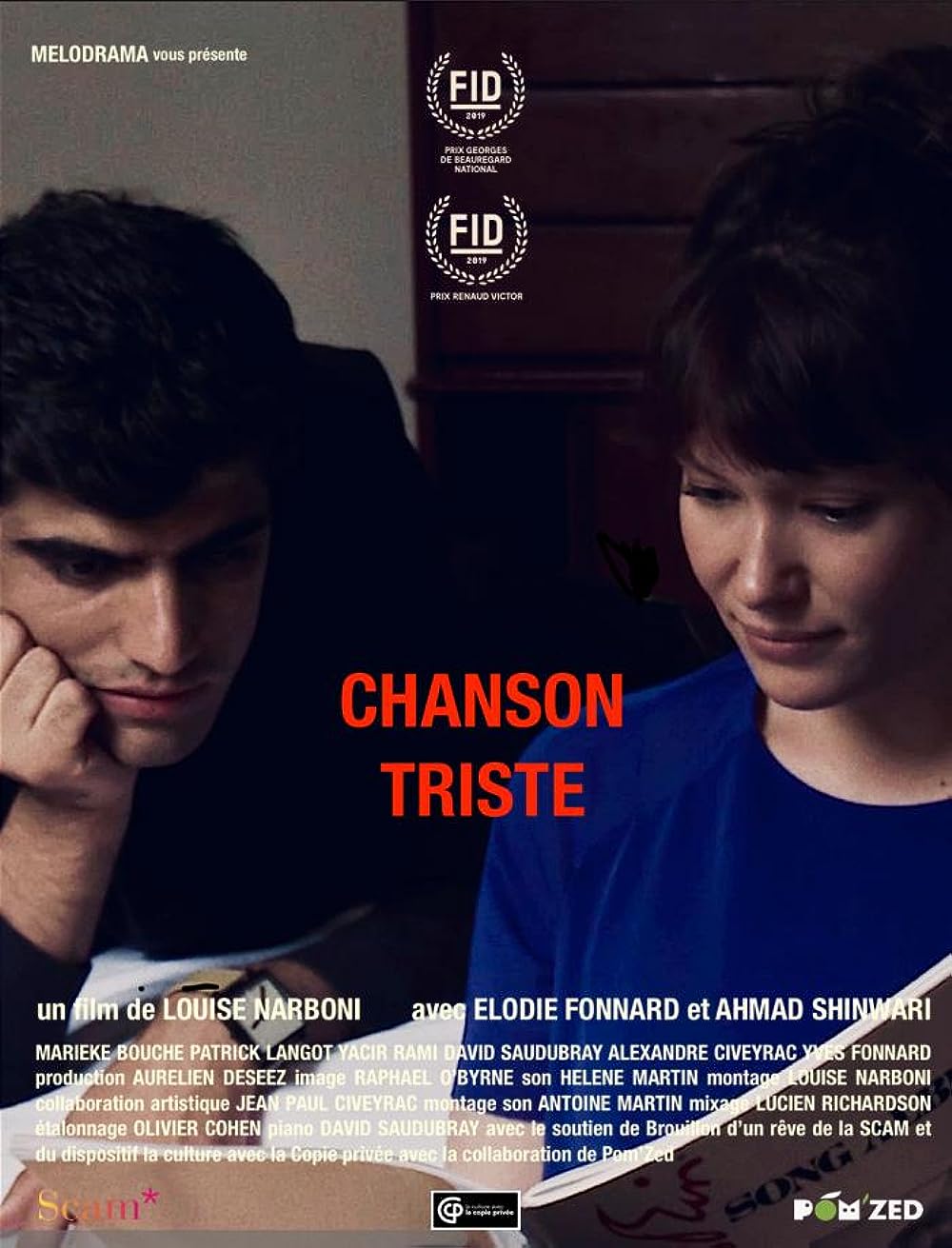
Elodie is a Parisian Baroque singer, and Ahmad is an Afghan refugee; Chanson Triste tells the story of their impossible love. Through a unique mix of documentary and fiction, music and poetry, re-enactment and reality, the viewer learns how Elodie became Ahmad’s tutor and how he, in turn, became her muse.
But they both have painful pasts. Elodie is haunted by her ex-boyfriend’s suicide, while Ahmad deals with the reality of being a refugee from Afghanistan, and a Muslim in Europe. Chanson Triste is a story of songs and introspection, hope and disappointment, but mostly, it’s a story of love.Read More »
Still photographs and narration give an overview of the history of the American Indian.
The Indian Story is the kind of newsreel short subjects that Jancso made early in his career, and while it doesn’t bear any of his hallmarks as a director, it’s still interesting —an examination of the way that Native Americans were displaced by white settlers in North America, from a critical outsider’s perspective.Read More »
Why are we still able to watch moving images captured over 125 years ago?
As we move ever further into the digital age, our audiovisual heritage seems to be taken increasingly for granted. However, much of our filmed history and cinema has already been lost forever.
Film archivists, curators, technicians and filmmakers from around the world explain what film preservation is and why it is needed. Our narrators are custodians of film whose work behind the scenes safeguards the survival of motion pictures. It is a task they undertake based on their closely held belief in the artistic and cultural value of the moving image, in tune with a shared mantra that a film might one day transform someone’s life. This documentary pays homage to them all and sheds some light on their critical undertaking.Read More »