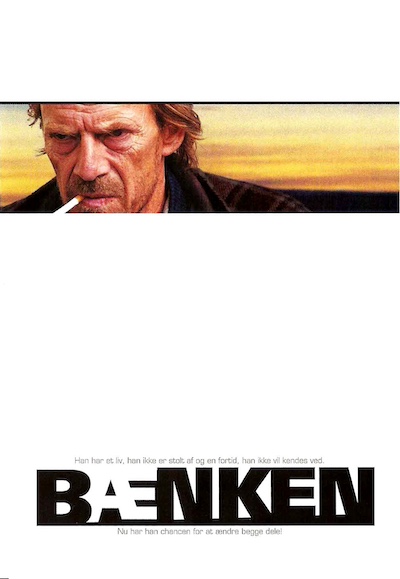
Quote: Bænken (The Bench), dir. by Per Fly. tells the tale of Kaj, a stubborn and proud alcoholic who has squandered away most of his life in devotion to the bottle. When his estranged daughter moves, by coincidence, into the same public housing project as him, he gets a second chance. A sympathetic, witty, and moving drama about responsibility and family ties, à la Ken Loach and Mike Leigh.Read More »
Kresten’s dad dies and he returns to the farm on Lolland to take care of things incl. his retarded brother. He employs a hooker as maid. He loses wife and job due to lies. The maid’s kid brother moves in and they’re a family of 4.
REVIEW by Scott Tobias (from avclub.com): The 21st film to receive official Dogme certification, and one of the few unharmed by its minimalist limitations, Ole Christian Madsen’s powerful Kira’s Reason: A Love Story could be the undercard to A Woman Under The Influence, John Cassavetes’ seminal study of a marriage and mental illness. Beginning with a wife’s return home after time in a psychiatric ward, both films gain their tension from the strained attempt to return to normalcy after everything has irrevocably changed, a transitional phase made all the more painful by brief flashes of the couple’s old dynamic. Though Madsen’s middle-class heroes have little in common with Cassavetes’ more combative blue-collar counterparts, their reunion is similarly raw, painful, and unexpectedly romantic, as they try to redefine their relationship around a new set of terms. Looking and acting uncannily like a young Genevieve Bujold, Stine Stengade gives a touchingly unhinged performance as the title character, a madwoman who tries to find her footing as a wife and mother after being committed for an unspecified condition.Read More »
Quote: Robert has a number of skeletons in his cupboard, which he is determined to bury. Although hardly his dream job, Robert sees the position of temporary village constable as a necessary stage on the road to rehabilitation. He just needs to do well and generally behave by the book. However, village life and the macabre provincial order turn out to be difficult to fit into Robert’s plans. Nothing is ever straightforward, and certainly not when you are way out in the countryside.Read More »
Kris, living with her uncle since her teenage years, is starting to second guess her current life, at her disabled uncles farm. As love crosses her path, a possible life changing question emerges.
8 wins & 8 nominations. Tokyo Grand Prix – Tokyo International Film Festival 2019Read More »
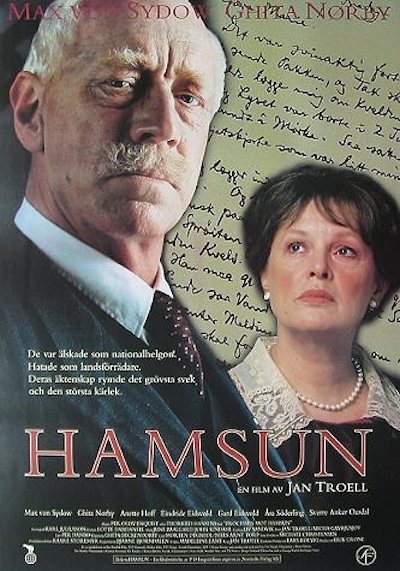
Norwegian Nobel Laureate Knut Hamsun’s controversial support for the Nazi regime during WW2 and its consequences for the Hamsun family after the war.Read More »
Little Per has become a boy scout. As a boy scout he has to help other people in need, but things take a turn for the worse and Little Per goes missing. Now it is up to the family to find him…Read More »
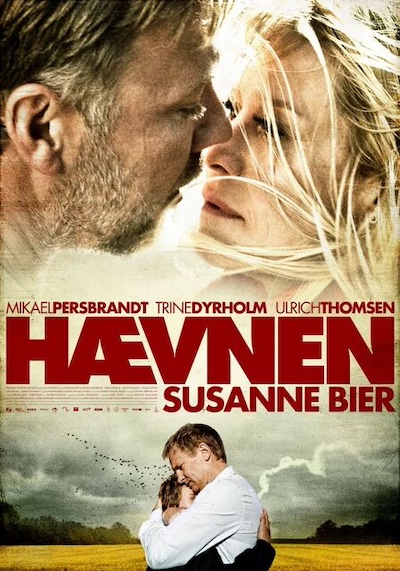
The lives of two Danish families cross each other, and an extraordinary but risky friendship comes into bud. But loneliness, frailty and sorrow lie in wait.Read More »