From starburstmagazine
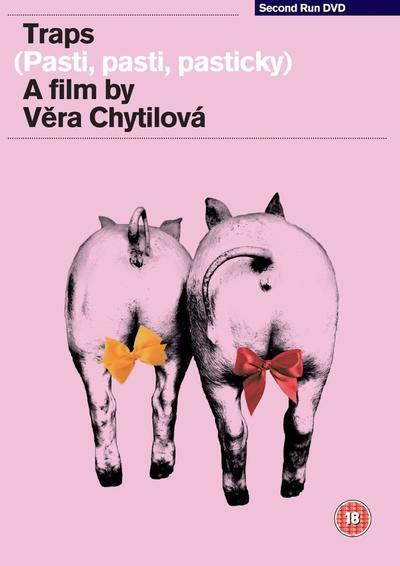
For anyone feeling a little squeamish, of vegetarian inclination or just full from a hearty meal, the graphic opening scenes of Traps (or Pasti, Pasti, Pasticky to give its original title) that feature pig castration may prove a little difficult to stomach. These images also feel burned into your retina somehow; a poignant, pre-emptive piece of filmmaking that becomes disturbingly relevant later in the film. For Czech new wave director Vera Chytilovà, filmmaking was a mission. She became a dominant force in the industry and was often described as a militant feminist, although she preferred the term individualist. Traps bears many of the hallmarks that justify both these labels, and even now remains both boldly ambitious and deeply flawed.Read More »
1991-2000
-
Vera Chytilová – Pasti, pasti, pasticky AKA Traps (1998)
Arthouse1991-2000ComedyCzech RepublicVera Chytilová -
John Dahl – The Last Seduction (1994) (HD)
1991-2000CrimeFilm NoirJohn DahlUnited KingdomSynopsis
A devious sexpot steals her husband’s drug money and hides out in a small town where she meets the perfect dupe for her next scheme.Read More » -
Wim Wenders – Die Gebrüder Skladanowsky AKA A Trick of the Light (1995)
Documentary1991-2000GermanySilentWim Wenders
Synopsis:
A rare gem of cinematic storytelling that weaves docudrama, fictional reenactment, and experimental photography into a powerful, reflective work on the early days of German cinema. The film tells the story of the Skladanowsky Brothers, the German-born duo responsible for inventing the “bioskop”, an early version of the film projector.Read More » -
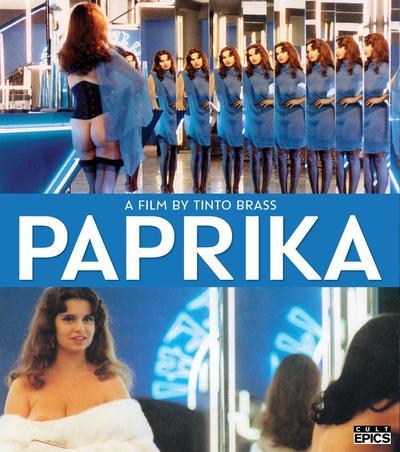
Tinto Brass – Paprika (1991) (HD)
1991-2000EroticaItalyTinto BrassQuote:
This time, Italian soft-core maestro Tinto Brass doesn’t even try to masquerade his opus as a political drama or social criticism. A young country girl (Debora Caprioglio) comes to town and works in a brothel in order to help her fiance get the money to start his own business. “Paprika” is the name given to her by the madam.Read More » -
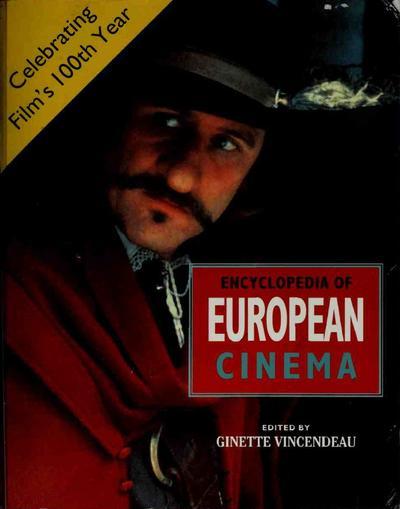
Ginette Vincendeau – Encyclopedia of European Cinema (1995)
1991-2000BooksGinette VincendeauUnited KingdomOn December 28, 1895, the Lumiere brothers demonstrated their cinematograph to 33 people in Paris. Despite Louis Lumiere’s notorious declaration that “the cinema is an invention without a future, ” the occasion marks the birth of the movies. Written to coincide with the 100th anniversary of this seminal event, “Encyclopedia of European Cinema” is a celebration of the scope and variety of film in all European countries. Compiled under the auspices of the prestigious British Film Institute, this uses the expertise of over 30 international authorities on the subject.Read More »
-
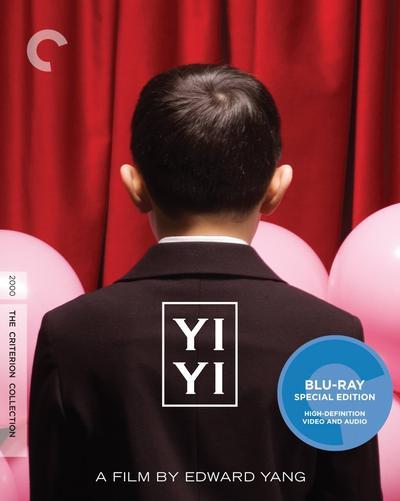
Edward Yang – Yi yi (2000)
1991-2000DramaEdward YangTaiwanQuote:
Master Taiwanese director Edward Yang spins this intricate and complex yarn about life’s everyday crises. The film focuses on N.J. Jian (Wu Nien-jen), a noted writer/director in his own right), his wife Min-min (Elaine Jin) and their two children, teenager Ting-ting (Kelly Lee) and young Yang-yang (Jonathan Chang). Their middle-class existence seems stable and secure until a series of incidents throws all of their lives out of kilter. The misfortunes start at the wedding of Min-min’s ne’er-do-well brother A-Di (Chen Xisheng), when his jilted ex-girlfriend Yun-Yun (Zeng Xinyi) bursts into the proceedings and lambastes the bride. Upset by the ruckus and feeling unwell, Min-min’s mother goes home early only to suffer a stroke and slip into a coma. After the wedding, N.J. runs into his first love, Sherry (Ke Suyun), who is married to a rich American. This chance encounter shakes N.J. to his very foundations, forcing him to reevaluate his life. At the same time, N.J.’s computer company deliberates on whether or not to collaborate with a renowned Japanese games designer, Ota (Issey Ogata), sending N.J. to Japan to negotiate a contract. Confronted by her mother’s coma, Min-min also takes stock of her life and finds it lacking. On the brink of a nervous breakdown, she suddenly joins a religious retreat.Read More » -
Moumen Smihi – Chroniques marocaines AKA Moroccan Chronicles (1999)
1991-2000African CinemaArthouseFantasyMoroccoMoumen SmihiIn Moroccan Chronicles, set in the ancient city of Fez, a working class mother, abandoned by her husband who has emigrated to Europe, tells three tales to her just-circumcised ten-year-old son. In the first, Smihi re-stages the Marrakech market scene from Hitchcock’s The Man Who Knew Too Much, in which a monkey trainer makes children dance for tourists. In the second, two lovers meet on the ramparts of Orson Welles’s Essaouira locations for Othello and speak of their own forbidden love. And in the third, set in Smihi’s home town of Tangier, an old sailor dreams of vanquishing a sea monster: the Gibraltar ferry that connects Europe to Africa.Read More »
-
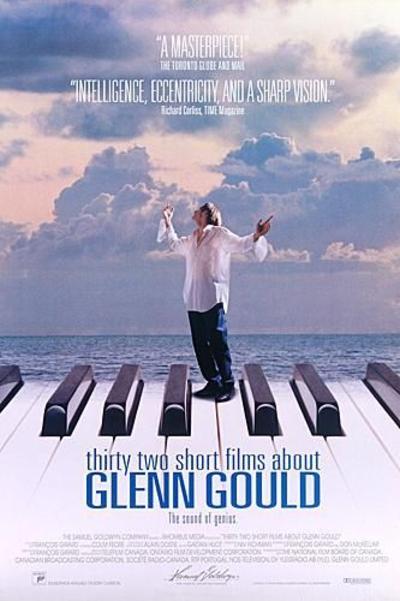
François Girard – Thirty Two Short Films About Glenn Gould (1993)
1991-2000ArthouseCanadaFrançois GirardMusicalSynopsis:
As the title suggests, this dramatised documentary about the eccentric Canadian pianist Glenn Gould is broken up into thirty-two short films (mirroring the thirty-two part structure of Bach’s ‘Goldberg Variations’, the recording that Gould made famous), each giving us an insight into some aspect of Gould’s life and career. Out of respect for the music lead actor Colm Feore is never seen playing the piano, merely reacting to Gould’s own recordings, which are extensively featuredRead More » -
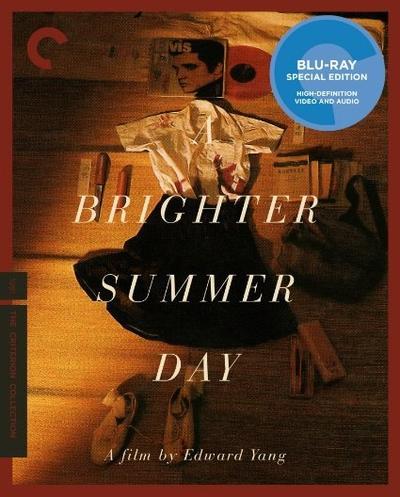
Edward Yang – Gu ling jie shao nian sha ren shi jian AKA A Brighter Summer Day (1991)
1991-2000ArthouseDramaEdward YangTaiwanQuote:
It’s only natural that Edward Yang’s A Brighter Summer Day begins with a shot of a barely-lit light bulb. On the set of a movie, a director reprimands an actress for harping on the color of her dress. “This is a black and white film,” he says, one of many references to the symbolic darkness that overshadows the milieu of the film. A Brighter Summer Day is itself in color, but it may as well be monochrome. Much of the film’s action takes place at night or inside dimly lit interiors, and it’s not unusual for the characters to be confronted by light and its almost political implications. Some of the best images in the film (young boys staring at a rehearsal from a theater’s rooftop; a basketball bouncing out of a darkened alleyway) pit light against dark—a fascinating dialectic meant to symbolize a distinctly Taiwanese struggle between past and present. From weapons to watches, objects similarly speak to the present. Like the light, these objects are constant reminders that the past can’t be ignored and must be used to negotiate the present.Read More »