

SUMMARY
Can a sinful man change and find peace? It’s unlikely in gang-plagued Japan. Jokichi of Mikogami, a drifter (and hired sword), goes straight after protecting a woman in distress: they marry, have a son, and Jokichi pursues his father’s craft. After three years, the gangs he embarrassed when he saved his wife find the family and leave Jokichi in grief, vowing revenge.
jhailey on IMDbRead More »
1971-1980
-
Kazuo Ikehiro – Mushukunin Mikogami no Jôkichi: Kiba wa hikisaita AKA Mikogami Trilogy I: The Trail of Blood (1972)
1971-1980ActionAsianJapanKazuo Ikehiro -
Enzo G. Castellari – Il Grande Racket AKA The Big Racket (1976)
1971-1980CrimeEnzo G. CastellariHorrorItaly
Quote:
Nico is a police inspector who is battling against gangsters who are terrorising an Italian town and extorting money from its locals. No one dares to speak out against them except a local restaurant owner. After telling all his daughter is swiftly raped and the inspector taken off the case. He decides, however, to go it alone and enlists support from victims of the hoodlums.”Read More » -
Nelson Pereira dos Santos – Como Era Gostoso o Meu Frances AKA How Tasty Was My Little Frenchman [+Extras] (1971)
Drama1971-1980BrazilNelson Pereira dos Santos
THE BEGINNING OF THE EXPLOITATION OF BRAZIL
In 1594 in Brazil, the Tupinambás Indians are friends of the Frenches and their enemies are the Tupiniquins, friends of the Portugueses. A Frenchman (Arduíno Colassanti) is captured by the Tupinambás, and in spite of his trial to convince them that he is French, they believe he is Portuguese. The Frenchman becomes their slave, and maritally lives with Seboipepe (Ana Maria Magalhães). *Contains Spoilers* Later, he uses powder in the cannons that the Portuguese left behind to defeat the Tupiniquins in a battle. In order to celebrate the victory, the Indians decide to eat him.Read More » -
Lane Slate – Deadly Game (1977)
1971-1980DramaLane SlateTVUSA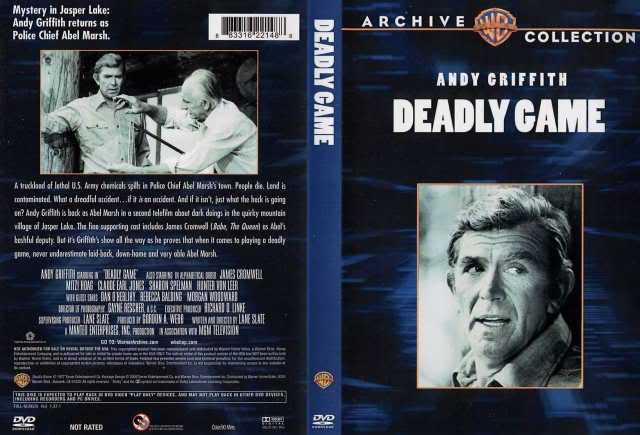
Plot Synopsis by Hal Erickson
Twice during the mid-1970s, Andy Griffith unsuccessfully attempted to launch a TV detective series titled Abel Marsh. The first pilot film was The Girl in the Empty Grave; the second was The Deadly Game. Griffith once again stars as resort-town sheriff Abel Marsh, this time wrestling with a sinister conspiracy involving a dangerous chemical spill. Lane Slate produced, directed and wrote the film, while Griffith’s longtime manager Richard O. Linke functioned as executive producer. Deadly Game was first telecast December 3, 1977.Read More »
-
Peter Weir – Peter Weir Short Film Collection (1969 – 1972)
1961-19701971-1980AustraliaPeter WeirShort Film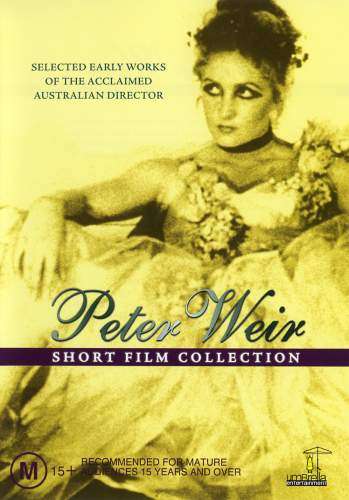
Peter Weir Short Film Collection is a wonderful collection of some early works of this great Australian director, at a time when the local film industry was beginning to take great strides forward. These films may not appeal to the average mainstream film viewer, but if you’re keen to view the rarely seen beginnings of Peter Weir’s career, or you are a fan of early Australian cinema, then this will be an asset to your collection.
Reading through the current filmography of Weir’s impressive body of work, it’s safe to say that not many filmmakers could match the level of consistent quality in their work. From these humble beginnings, Peter Weir has firmly established himself as one of world’s finest film directors.Read More »
-
Ivan Cardoso – O Conde Gostou Da Coisa (1974)
1971-1980BrazilComedyCultIvan Cardoso
“Comedy in which three friends are on the table in a bar to drink and tell his adventures. What is exaggerating the sailor drinks while listening to a narrative of an exciting strip poker which ends in a huge orgy. The binge was so great that when you arrive home the sailor has a nightmare where he is pursued by wild women on an island … “Read More »
-
John Gorrie – The Tempest (1980)
1971-1980BBCDramaJohn GorrieTVUnited KingdomWilliam Shakespeare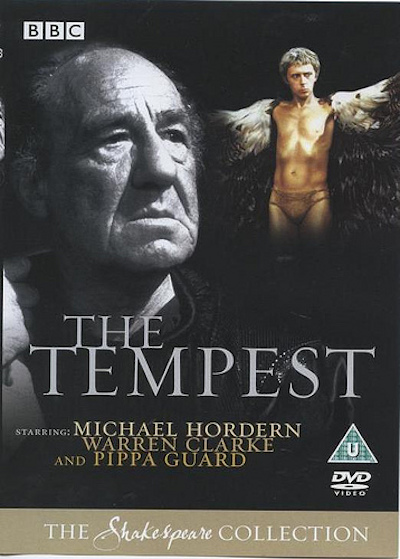
Making its debut with Romeo and Juliet on 3 December 1978, and concluding nearly seven years later with Titus Andronicus on 27 April 1985, the BBC Television Shakespeare project was the single most ambitious attempt at bringing the Bard of Avon to the small screen, both at the time and to date.Read More »
-
Jerzy Kawalerowicz – Maddalena (1971)
1971-1980DramaItalyJerzy Kawalerowicz
The film Maddalena tells the story of a woman who is desperate to find real love in a real steady relationship on the one hand; and a priest who is doubting his ability to cope with celibacy on the other hand. When Maddalena decides the priest is the man that she wants, an atmosphere of erotic tension and self-questioning about true Faith fill up the air. The film is long forgotten (thus the five), but the score for the film, parts of which were used in other films, is considered by some as one of Morricone’s finest, and quite rightly so. The already mentioned title part ‘Come Maddalena’, which mixes jazzy drumming with a modest church organ, the lyrical voices of Edda dell’Orso and a scatting choir, is probably one of the most evocative and thrilling parts of film music I have ever heard. Long before the world had ever heard of lounge music and chill-out, maestro Morricone must have sent the shivers down many a spine… as he has done so many times before and after.Read More »
-
Tobe Hooper – Eaten Alive (1976)
1971-1980CultHorrorTobe HooperUSA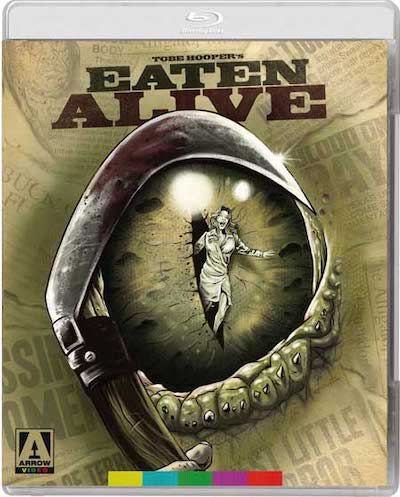
Quote:
“Eaten Alive” is director Tobe Hooper’s 1977 follow up to “The Texas Chain Saw Massacre” (1974). While it is still a horror film that takes place in the deep South, it is a much different kind of film, and much like “Texas Chain Saw’s” first sequel, deals with a lot of humor, as well as over-the-top violence.The story starts with an awkward semi-rape scene involving Buck (played by a young Robert Englund) and a young prostitute. Englund has said that the Japanese version of this opening sequence inserted images of a stunt double’s genitalia, though the American version was more tame.Read More »

