1971-1980

  • TVTV – TVTV Looks at the Oscars (1976)

    1971-1980DocumentaryTVTVTVUSA

    EAI writes:
    Made in 1976, TVTV’s close-up look at Hollywood’s annual awards ritual mixes irreverent documentary with deadpan comedy. TVTV’s cameras go behind the scenes to follow major Hollywood figures (including Steven Spielberg, Michael Douglas, Lee Grant, Jack Nicholson, and many others), capturing them in candid moments—inside their limousines, dressing for the ceremony, backstage at the awards. Lily Tomlin appears as a fictional character watching the televised Oscar ceremony in her suburban home. Tomlin, nominated for best supporting actress in Robert Altman’s Nashville in 1975, is also seen as she attends the actual awards ceremony. With Tomlin serving as a fulcrum between Hollywood’s insiders and outsiders—the adoring fans, the workers who serve the stars, those overlooked by the awards—TVTV records the lead up to and letdown after the ceremony, revealing the vagaries of fame and stardom.Read More »

  • Jean Rollin – La comtesse Ixe AKA The Countess X (1976)

    1971-1980EroticaFranceJean Rollin

    29f7c043f76a2bde437fd0d52a185152

    Rollin creates a scenery in an aristocratic atmosphere where a group of friends come together to have a party. However in the woods surrounding the castle a kleptomaniac is hiding and waiting to take advance of the partygoers. She introduces herself as countess Ixe a lady that nobody knows but with a legendary life. Legendary because she often dances naked in front of her guests. The thief however wants to go a bit further and poisons the champagne with an aphrodisiac so that in no time all partygoers are deeply involved in a big orgy. Meanwhile the real countess Ixe arrives on the scene… A masked burglar (Rachel Mhas) roams the house in search of papers. She finds the papers, but is discovered and flees into the woods. Later the burglar gatecrashes a cocktail party at the house, drugs the drinks, and turns it into an orgy so that she can steal from the guests. But she is spotted in the act of spiking the drinks by one of the guests, who keeps his mouth shut until later.
    The Countess X” is one of the finest classics from the golden age of French porn. Beautifully shot on 35mm film, it and features some of the best actors and actresses from the period. This release of ”Countess X” was restored from the original negatives in HD-quality, making this the best possible version of the film.Read More »

  • Krzysztof Kieslowski – Spokoj AKA The Calm AKA Peace (1976)

    1971-1980DramaKrzysztof KieslowskiPolandTV

    29f7c043f76a2bde437fd0d52a185152

    Quote:
    Based on the short story A Step Beyond the Gate / Krok za brame by Lech Borski).
    A television feature that is considered to have been one of the pioneering films in the cinema of moral anxiety. The story of worker Antoni Gralak who is released from prison and wishes to settle down to a calm life. He fails to find peace though he does find a woman to marry and a place to live. The realities of the Polish People’s Republic cause him to enter into conflict with his construction worker colleagues who decide at one point to organise a strike, and with the manager of the construction site who wishes to make an informer of him. These complications conclude tragically. Premiered on television in 1980. @culture.pl
    Read More »

  • Jean Rollin – Vierges et vampires aka Requiem for a Vampire aka Caged Virgins (1971)

    1971-1980CultEroticaFranceJean Rollin

    29f7c043f76a2bde437fd0d52a185152

    Quote:
    Eloquent, expressive and altogether haunting, Jean Rollin’s fourth feature film,
    1971’s Vierges et Vampires (Requiem for a Vampire) shows him as an artist totally in control of his own art and totally separate from anyone else in cinema before or since.Read More »

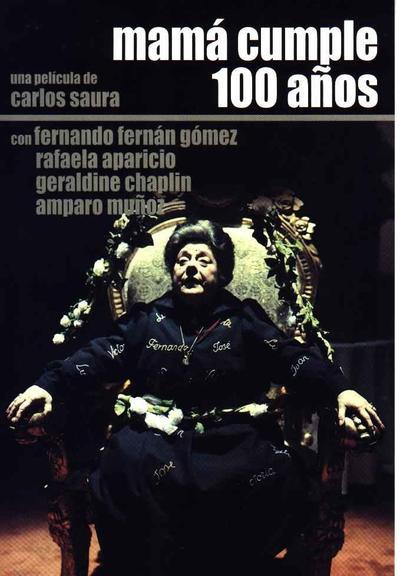
  • Carlos Saura – Mamá cumple 100 años AKA Mama Turns 100 (1979)

    1971-1980ArthouseCarlos SauraComedySpain

    29f7c043f76a2bde437fd0d52a185152

    Quote:
    Returning to the dysfunctional family dynamic and generational saga of Anna and the Wolves in its psychological exposition into the root of ingrained human cruelty and repression, Mama Turns 100 Years Old is a wry, eccentric, and provocative, if underformed satire on the latent trauma and moral repercussions of emotional subjugation, manipulation, and corruption. On the eve of the indomitable family matriarch, Mama’s (Rafaela Aparicio) centenary, former domestic servant Ana (Geraldine Chaplin), now the happily settled wife of a devoted, bohemian husband named Antonio (Norman Briski), has received a personal invitation from Mama herself to stay as a guest in the secluded family estate and celebrate the festivities – an unexpected request that, as Mama subsequently reveals, stems from the inescapable conviction that her family, goaded in part by her conniving daughter-in-law, Luchi (Charo Soriano) and enabled by her dotty, gullible son, Fernando (Fernando Fernán Gómez), has been underhandedly plotting to kill her before she reaches the all-important milestone. However, as Ana and Antonio alternately settle into their awkward roles as accommodating guests of absurd, idiosyncratic rituals and bemused observers of a deeply rended (if superficially intact) familial intimacy, the couple, too, inevitably becomes caught up in the corrosive atmosphere of petty infighting, superficial civility, aimless distraction, nebulous alliances, and emotional deception (a figurative entrapment that is visually encapsulated in Anna accidentally stepping into a rabbit trap within the estate grounds).Read More »

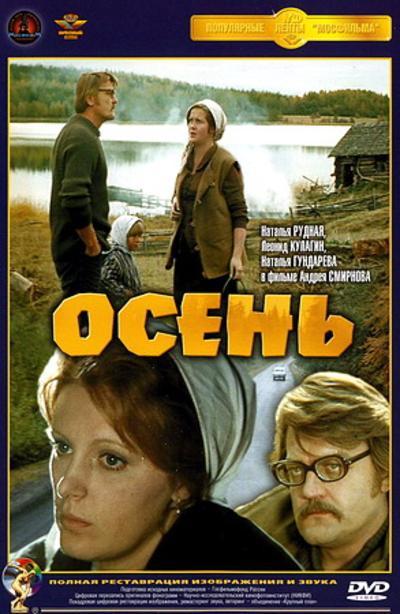
  • Andrey Smirnov – Osen AKA Autumn (1974)

    1971-1980Andrey SmirnovDramaRomanceUSSR

    29f7c043f76a2bde437fd0d52a185152

    A 7-day trip with a city couple that is struggling to get it’s relationship straightened up. She is single, he is married. The rain never stops, leaving them inside the country shack for days to make love and talk in between. It is called “The Fall (Autumn)” as the season signifies the gloomy days of their love. Read More »

  • Shûji Terayama – Sho o suteyo machi e deyou aka Throw Away Your Books, Rally in the Streets (1971)

    1971-1980ArthouseExperimentalJapanShuji Terayama

    29f7c043f76a2bde437fd0d52a185152

    “Throw away your books, Go out into the streets!” is Terayama’s adaptation of Terayma’s eponymous book and play. This actually is his first full-length film as a director after shooting a few shorts experimental footage, and writing scenarios for other directors as Hani Susumu (Nanami Inferno of first love 1968) or Shinoda Masahiro (Buraikan 1970). Basically the story is about a teen in Japan, who plays soccer and deals with his highly dysfunctional family. His grandma is senile, his sister loves her pet rabbit to the point of sexual obsession, and his father gets him a prostitute so he can be more of a man. Out of rage our protagonist runs away and hits the street. But the main story is broken up by random short narratives of various Japanese strangers, punk like sing along and psychedelic surreal imagery.Read More »

  • Nicolas Roeg – Walkabout (1971)

    1971-1980AdventureDramaNicolas RoegUnited Kingdom

    29f7c043f76a2bde437fd0d52a185152

    Quote:
    A young sister and brother are abandoned in the harsh Australian outback and must learn to cope in the natural world, without their usual comforts, in this hypnotic masterpiece from Nicolas Roeg. Along the way, they meet a young aborigine on his “walkabout,” a rite of passage in which adolescent boys are initiated into manhood by journeying into the wilderness alone. Walkabout is a thrilling adventure as well as a provocative rumination on time and civilization.Read More »

  • Jean-Luc Godard – Numéro deux (1975)

    1971-1980FranceJean-Luc GodardPoliticsVideo Art

    29f7c043f76a2bde437fd0d52a185152

    On the movie :
    (Wikipedia !)

    Numéro Deux, by Jean-Luc Godard and Anne-Marie Miéville, is a 1975 experimental film about a young family in a social housing complex in France. The film’s distinct style involves presenting two images on screen simultaneously, leading to multiple interpretations of the story and to comments on the film-making and editing process.

    The film is divided into two parts. For the first third of the movie, Godard discusses what it takes to make a film (money) and describes how he got the money. In the second part, the remaining two thirds, each character in the story discusses their quotidian experiences through dialogue which is primarily poetic, and secondarily political.Read More »

Back to top button