1971-1980

  • Ian Breakwell – Repertory / The Institution (1973)

    1971-1980ExperimentalIan BreakwellShort FilmUnited Kingdom

    29f7c043f76a2bde437fd0d52a185152

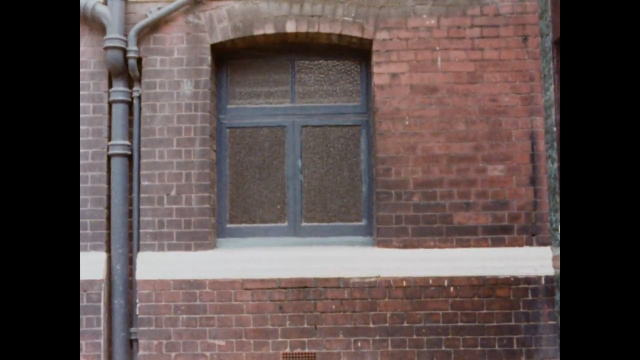
    Repertory consists of one continuous tracking shot, during which the camera completely circles the outside of a locked and empty theatre, whilst a voice describes a three week programme of daily ‘imagined presentations’ inside the theatre. The contrast between the documentary image and fictional narrative is exaggerated by the nature of the descriptions, which are wittily absurd and fantastic – the presentations include a domestic interior covered in melting slabs of butter; an old aeroplane, an illuminated fish tank, etc. Extrapolated partly from Breakwell’s frequent visits to Nottingham Playhouse in the late 1950s, the film plays out with peculiar effectiveness his interest in the relationship between words and pictures.Read More »

  • Antonio Mercero – La cabina AKA The Telephone Box (1972)

    1971-1980Antonio MerceroMysteryShort FilmSpain

    29f7c043f76a2bde437fd0d52a185152

    Synopsis:
    ‘A man gets trapped inside a telephone box. Onlookers unsuccessfully try to free him. Then the men from the telephone company arrive, but relief turns into puzzlement, then horror, as it transpires what they have in store for him.’
    – Donald FiskRead More »

  • Milos Forman – One Flew Over the Cuckoo’s Nest (1975)

    1971-1980DramaMilos FormanUSA

    Synopsis :
    Upon arrival at a mental institution, a brash rebel rallies the patients together to take on the oppressive Nurse Ratched, a woman more a dictator than a nurse.Read More »

  • Guy Sherwin – At the Academy / Cycles / Salt Water (1974)

    1971-1980ExperimentalGuy SherwinShort FilmUnited Kingdom

    29f7c043f76a2bde437fd0d52a185152

    Guy Sherwin studied painting at Chelsea School of Art in the late 1960s before being drawn to the radical film practice of the London Film-Makers’ Co-operative (now LUX) where he taught printing and processing during the mid-’70s. His films investigate fundamental qualities of cinema such as light and time, and often use serial forms or live elements to extend its possibilities. The unique, elusive qualities of analogue film are explored through experiments with sound, image and film in live performance.Read More »

  • George Schaefer – An Enemy of the People (1978)

    1971-1980DramaGeorge SchaeferUSA

    29f7c043f76a2bde437fd0d52a185152

    Synopsis:
    Based on a play by Henrik Ibsen. A small forest town is trying to promote itself as a place for tourists to come enjoy the theraputic hot springs and unspoiled nature. Dr. Stockmann, however, makes the inconvenient discovery that the nature around the village is not so unspoiled. In fact, the runoff from the local tanning mill has contaminated the water to a dangerous degree. The town fathers argue that cleaning up the mess would be far too expensive and the publicity would destroy the town’s reputation, so therefore news of the pollution should be suppressed. Dr. Stockmann decides to fight to get the word out to the people, but receives as very mixed reaction.Read More »

  • Cliff Owen – No Sex Please: We’re British (1975)

    1971-1980ClassicsCliff OwenComedyUnited Kingdom

    Free Image Hosting at www.ImageShack.us

    29f7c043f76a2bde437fd0d52a185152

    Porn store owner Pete orders some new stuff from his supplier Niko but Niko mixes up the address with the address of the local Barclays Bank. Here, newly-weds David (the bank’s assistant manager) and Penny Hunter is shocked when first photos, then films and then finally two girls are sent to them in the Bank’s flat. They, and their friend, head cashier Brian Runnicles (who slowly starts to have a nervous breakdown), have to deal with getting rid of the porn without letting their boss, Mr. Bromley – the bank’s manager (who’s very anti-porn), the local police in the form of Inspector Paul, and David’s mother, Bertha Hunter, in on what is happening…Read More »

  • Moshé Mizrahi – Les stances à Sophie AKA Sophie’s Ways (1971)

    1971-1980ArthouseDramaFranceMoshé Mizrahi

    29f7c043f76a2bde437fd0d52a185152

    Quote:
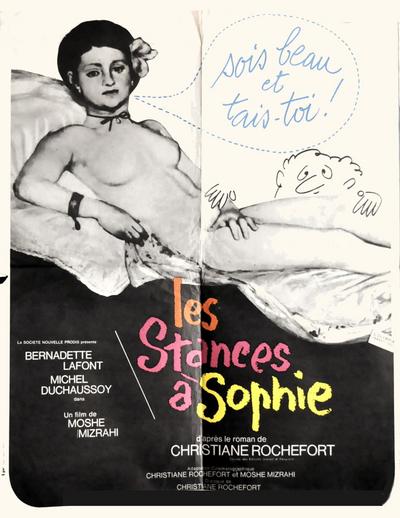
    The presences of the exemplary Nouvelle Vague icons Bernadette Lafont and Bulle Ogier in the female lead roles notwithstanding, what cachet 1971’s Les Stances a Sophie has accrued over the years is largely extra-cinematical. Its soundtrack, composed and performed by the legendary Art Ensemble of Chicago … was for many years a much sought-after item among contemporary jazz fans, and with excellent reason. Like many free-music pioneers, the Art Ensemble decamped to Paris in the late ’60s, where there was both a larger and more welcoming audience for its work and at least one pioneering record label (BYG …) throwing studio time at any number of adventurous artists. The Ensemble’s work for this soundtrack finds them folding classical themes and contemporary soul stylings into its already effortlessly eclectic and daring musical bag. “Theme de Yoyo,” with Bass declaiming a critique of the battle of the sexes that’s a raw counterpoint to some of the more politely limned tensions playing out in the film at that point, is an ever-bracing piece that suggests all sorts of post-Brechtian possibilities for movie music—possibilities that really haven’t been too thoroughly explored since. It’s also pretty killer when listened to entirely on its own.Read More »

  • Shôhei Imamura – Muhomatsu kokyo e kaeru AKA Muhomatsu Returns Home (1973)

    1971-1980DocumentaryJapanShohei ImamuraWar

    Image Hosted by ImageShack.us

    29f7c043f76a2bde437fd0d52a185152

    From the BFI website:

    Television documentary featuring interviews with Japanese soldiers after the Second World War.

    Quote:
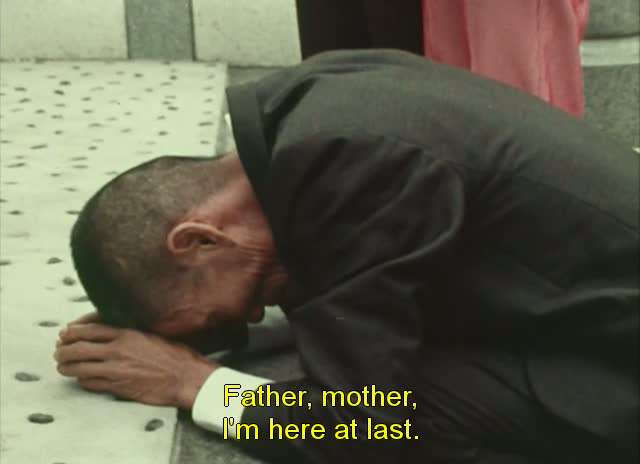
    “In Search of Unreturned Soldiers was about former soldiers of the Japanese army who chose not to return to Japan after the war. I found several of them who had remained in Thailand. Two years later, I invited one of them to make his first return visit to Japan and documented it in Muhomatsu Returns Home. During the filming, my subject Fujita asked me to buy him a cleaver so that he could kill his ‘vicious brother.’ I was shocked, and asked him to wait a day so that I could plan how to film the scene. By the next morning, to my relief, Fujita had calmed down and changed his mind about killing his brother. But I couldn’t have had a sharper insight into the ethical questions provoked by this kind of documentary filmmaking.” —Shôhei ImamuraRead More »

  • Carl Sagan – Cosmos (1980)

    USA1971-1980Carl SaganDocumentaryTV

    http://images.amazon.com/images/P/B000055ZOB.01._SCLZZZZZZZ_.jpg

    29f7c043f76a2bde437fd0d52a185152

    Cosmos remains one of the best-known and best-loved descriptions of our universe. Seen by over 700 million viewers in 60 countries, this multi Emmy Award winning series is arguably the most popular and stunningly influential science programme ever produced.

    Through a combination of special effects and Dr Carl Sagan’s enthusiastic narration every fantastic episode is an awe-inspiring cosmic journey that appeals to a mass audience. Cosmos covers a range of intriguing and fascinating topics including the origins of life, the search for life on Mars, the infernal composition of the atmosphere of Venus and the “greenhouse effect”, the lives of stars, interstellar travel and the effects of attaining the speed of light and the danger of mankind technologically self-destructing.Read More »

Back to top button