

A yakuza film epic about a man and a woman establishing a family of longshoreman, centering on their love and struggle.Read More »
A yakuza film epic about a man and a woman establishing a family of longshoreman, centering on their love and struggle.Read More »

Quote:
Les Gazolines est un groupe issu du Front homosexuel d’action révolutionnaire (FHAR) formé à Paris en 1972 et dissous en 1974. Leur nom proviendrait de la chanson Gasoline Alley de Rod Stewart. Le mouvement est fondé par Maud Molyneux, Patrick Bertaux et Paquita Paquin comme une «sorte de continuation du FHAR». Parmi ses figures les plus connues, on compte Marie France — en quelque sorte la « mascotte » du groupe, même si elle n’en faisait pas partie, une sorte d’«égérie» —, Hélène Hazera, Jenny Bel’Air. Constitué de travestis3 et de femmes déguisées3, le petit groupe se signale par sa provocation esthétique, idéologique, et ses jeux sur le genre. Read More »

Quote:
In 1976 Kieslowski produced Hospital, the 1977 winner of the Festival of Short
Films in Krakow. The film deals with Warsaw orthopaedic surgeons who are portrayed working long, 32-hour shifts. The camera follows them in the operating theatre, admittance room and smoky offices. They are portrayed as struggling with faulty equipment and overcoming fatigue. The film focuses on everyday hospital situations without any voice-over comments, with the passage of time carefully indicated every hour. The surgeons are portrayed as skilled workers in this, to use Kieslowski’s words, ‘film about some brotherhood’.
– Marek Haltof, The Cinema of Krzysztof Kieslowski – Variations on Destiny and Chance, 2006Read More »

This is the original version made for the BBC but banned by them and never screened until 15 years later. The BBC said that they banned it because “There was too much incident packed into too short a time and that they doubted the veracity.” So they thought it was pure fiction. But they also said that it “looked too much like a documentary.”
A brutal depiction of life in the borstal system where order is maintained through violence and intimidation. Carlin’s journey up the pecking order from new boy to ‘Daddy’ earns him the respect of inmates and officers alike.Read More »
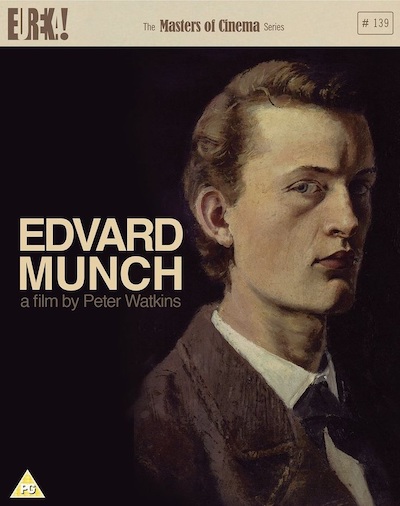
Quote:
The entire point of Peter Watkins’s cinematic career, so he seems to indicate in his interview with himself in the liner notes for New Yorker Video’s Edvard Munch DVD, is to directly challenge the perception deadening (at best) and enslaving (at worst) effects of the hegemony of 20th-century media, the conception of which was arguably the arrival of the moving picture. Strangely enough, two of his most acclaimed films take place decades before the Edison’s kinetoscope, but Watkins seems to use the anachronism of creating a hypothetical “first-person cinema” in the B.C. years to accentuate his impassioned appeal for elevated media consciousness. His recent six-hour millennial masterwork La Commune (Paris, 1871) was blunt about it, framing a rag-tag experimental theater ensemble attempting to reenact a moment of French social resistance with televised coverage from within (two community reporters practically serving as the film’s tour guides) and without (daily reports from the State-suckling network distorting the public’s all-but-assigned opinion).Read More »

Quote:
Belson has made reference to the hallucinatory quality of his films, and he associates this form of imagery with interior vision that corresponds to the inward spiritual journey the mind can achieve through meditation. In Belson’s words, “the hallucinatory aspect of imagery is certainly inherent in my work and in the ideas relevant to my work.” In a program note that accompanies Meditation (1971), Belson states, “by diving deep through your spiritual eye you will see into the fourth dimension, aglow with the wonders of the inner world. It is hard to get there, but how beautiful it is!”Read More »

After a cult besieges her convent, a young nun goes with an army of Muslims to destroy the convent and kill who wronged her.
Letterboxd review
Quote:
★★★½ Rewatched by Ian West 06 Apr 2021
Nasty little italiano revenge jam—complete with my girl Florinda Bolkan, all the nunsploitation tropes you’d want, and a feminist message. Not as stylized as some other sub genre offerings… but nevertheless, Flavia the Heretic is up there with The Devils, Alucarda, The Transgressor, and Satanico Pandemonium as far as my favorite crazy nun movies go.Read More »
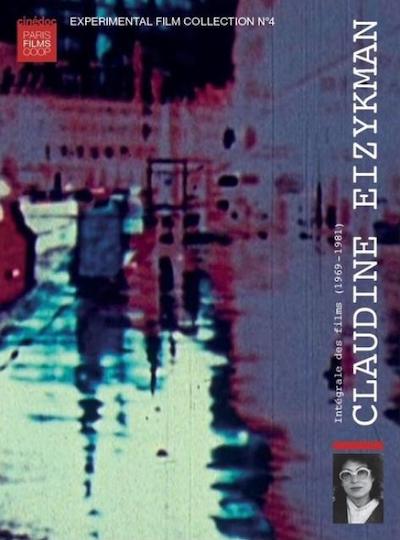
In L’Autre Scène, the images and the sound material try to manifest the mechanism of an advertisement around the blade.Read More »
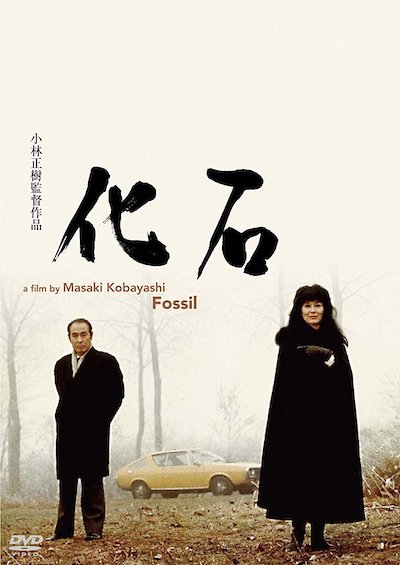
This drama is adapted from a Japanese television mini-series. In the story, an industrialist learns of a medical condition which will greatly shorten his life. He is on a trip to Europe at the time, and a glimpse of a Japanese woman in that setting causes him to fantasize about her as the personification of his impending death. As his dialogue with his imagined mortality continues, he actually meets the living woman who is the template for his fantasy, and together they tour rural churches. Gradually he comes to some kind of peace about the diagnosis. When he returns to Japan, he is met with a series of challenges which profoundly test the lessons he has learned.Read More »