1941-1950

  • Yasujiro Ozu – Todake no kyodai AKA The Brothers and Sisters of the Toda Family (1941)

    1941-1950ClassicsDramaJapanYasujiro Ozu

    29f7c043f76a2bde437fd0d52a185152

    Synopsis
    The first box-office hit for Ozu in Japan, “The Brothers And Sisters Of The Toda Family” anticipates the later masterpieces such as “Tokyo Story” and “The End Of Summer”.

    After the death of the father of an upper-class family, his wife and daughter have to struggle to survive. Tensions arise when they moved in with a married son, so they continue to move around from one household to the next, but they are always unwelcomed. When her youngest son returns from work in Tianjin, he scolds his siblings for their selfishness.

    AWARDs
    WON:
    Kinema Junpo Awards – 1942 – Best FilmRead More »
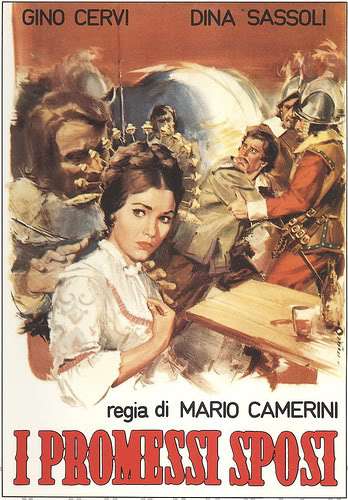
  • Mario Camerini – I Promessi Sposi aka The Spirit and the Flesh (1941)

    1941-1950DramaItalian Cinema under FascismItalyMario Camerini

    29f7c043f76a2bde437fd0d52a185152

    Alessandro Manzoni’s book I Promessi Sposi from 1823 seems to be one of the best kept secrets of the whole Italian literature. While by many considered to be the greatest novel ever written in the Italian language, it doesn’t seem to have a particularly strong reputation abroad. I first heard about it from an Italian friend during a long night of Totò films and beer some months ago, but when doing some googling after watching Camerini’s film during a train trip yesterday, I realized that I actually have a Norwegian translation myself, bought some years back when I spent most of my time going to book sales in Oslo and filling up my parents’ attic with everything I came across.Read More »

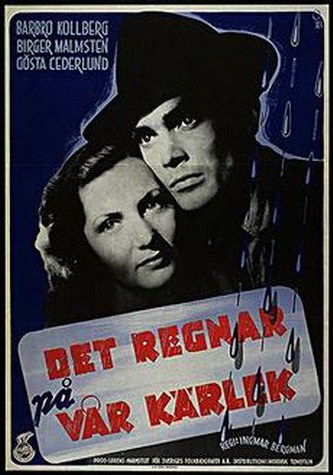
  • Ingmar Bergman – Det regnar på vår kärlek AKA It Rains on Our Love (1946)

    1941-1950DramaIngmar BergmanSweden

    29f7c043f76a2bde437fd0d52a185152

    Quote:
    It Rains on Our Love / Det regnar på vår kärlek (1946) was Bergman’s fourth film and it paints a very romantic picture of poverty and love on the run. Two young lovebirds from the wrong side of the tracks find peace of a kind in an idyllic, rural squatters’ community. It’s like a polished hybrid of a Frank Borzage film and the more sentimental elements of Italian neo-realism. The paternalistic narrative voice of the film is actually incarnated in one of the characters, a kindly lawyer.Read More »

  • Mikio Naruse – Shiroi yajuu aka White Beast (1950)

    1941-1950AsianDramaJapanMikio Naruse

    29f7c043f76a2bde437fd0d52a185152

    Quote:
    The third film that Naruse made in 1950, White Beast (Shiroi yaji, 1950), was described by Kinema Junpo critic Tsumura Hideo three years later as “so indescribably miserable as to haunt me even today.” Tsumura represents the bulk of Japanese critics of the time, who felt that Naruse experienced a terrible slump throughout the 1940s and this film seemed to be the “bottom of the ocean.” The critical establishment was clearly not prepared to accept a woman’s prison film featuring former prostitutes recovering from venereal diseases, unwanted pregnancies, and estranged lovers. With its catfights, hysterical tantrums, film noir lighting, and dramatic music, White Beast is indicative of the new influences of the Hollywood psychological thriller on Naruse. Caged (John Cromwell, 1950) initiated a cycle of women’s prison movies in the United States that may or may not have been shown in Japan, but the stylistics of White Beast draw on the same paranoid woman’s films and film noir conventions that preceded the American cycle.Read More »

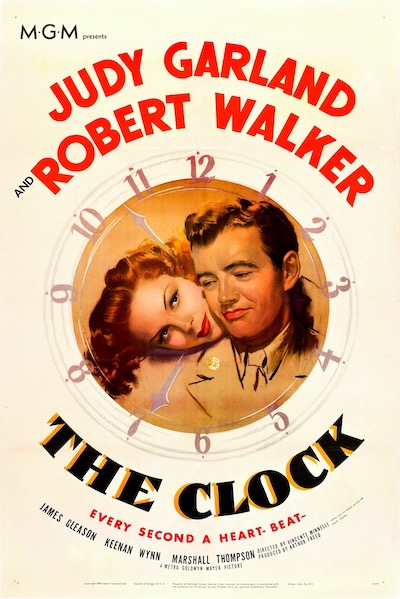
  • Vincente Minnelli – The Clock (1945)

    1941-1950ClassicsRomanceUSAVincente Minnelli

    In 1945, during a 48-hour leave, a soldier accidentally meets a girl at Pennsylvania Station and spends his leave with her, eventually falling in love with the lovely New Yorker.Read More »

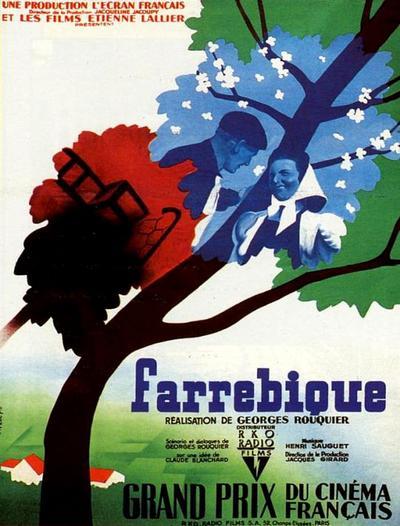
  • Georges Rouquier – Farrebique ou Les quatre saisons AKA Farrebique (1946)

    1941-1950DocumentaryFranceGeorges Rouquier

    29f7c043f76a2bde437fd0d52a185152

    Quote:
    For one year, from 1944 to 1945, Georges Rouquier shared the life of a peasant family, his own, in the Farrebique farm in Goutrens, in the Rouergue region. He shows us life on a farm, marked by the rhythm of seasons, from harvesting in summer to the grandfather’s rituals of slicing the bread for dinner. The film also dwells on the hardships of life on a farm and the transformation brought on by the arrival of electricity, of modern times. Farrebique reveals the beauty of these people, their closeness to their beasts and to nature, facing an often harsh life. Read More »

  • Herbert Seggelke – Strich-Punkt-Ballett (1943)

    1941-1950ExperimentalGermanyHerbert SeggelkeShort Film

    29f7c043f76a2bde437fd0d52a185152

    This is an experimental animation short film on a ballet of dots.Read More »

  • Alfred Hitchcock – Suspicion (1941)

    1941-1950Alfred HitchcockClassicsThrillerUSA

    29f7c043f76a2bde437fd0d52a185152

    Quote:
    Wealthy, sheltered Joan Fontaine is swept off her feet by charming ne’er-do-well Cary Grant. Though warned that Grant is little more than a fortune-hunter, Fontaine marries him anyway. She remains loyal to her irresponsible husband as he plows his way from one disreputable business scheme to another. Gradually, Fontaine comes to the conclusion that Grant intends to do away with her in order to collect her inheritance…a suspicion confirmed when Grant’s likeable business partner Nigel Bruce dies under mysterious circumstances. To his dying day, Hitchcock insisted that he wanted to retain the novelist Francis Iles’ original ending, but that the RKO executives intervened. Fontaine won an Academy Award for her work.Read More »

  • Alfred Hitchcock – Aventure malgache (1944)

    1941-1950Alfred HitchcockShort FilmUnited KingdomWar

    29f7c043f76a2bde437fd0d52a185152

    The Moliere players are in their dressing room, getting ready to go on set. One actor mentions to another that his face reminds him of an opportunist turncoat he knew when he was in the Resistance. He then relates the adventure that he had in the Resistance, running an illegal radio station and dodging the Nazis.Read More »

Back to top button