Russian

  • Konstantin Lopushanskiy – Rol AKA The Role (2013)

    2001-2010ArthouseDramaKonstantin LopushanskiyRussia

    29f7c043f76a2bde437fd0d52a185152

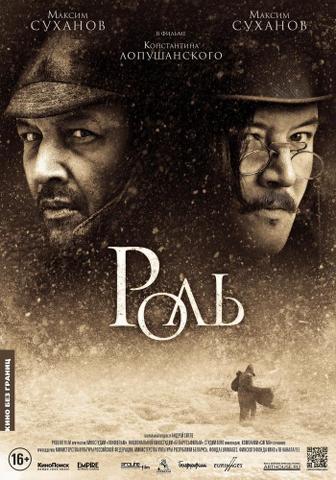
    “The Role” is about a brilliant actor in revolutionary Russia who takes on the greatest role of his life — the role of another man. Influenced by the ideas of symbolism and the Silver Age, he decides to slip into the life of his doppelganger – a revolutionary leader in the new Soviet Russia. First intrigued, then obsessed, he flings himself into the role and lives it to the hilt… even when the play of the life he is writing heads towards a tragic finale. Based on true incidents in the lives of Russia’s symbolists, this gripping film explores how far one man will go for the role of a lifetime.Read More »
  • Aleksandr Dovzhenko & Yuliya Solntseva – Pobeda na Pravoberezhnoi Ukraine i izgnaniye nemetsikh zakhvatchikov za predeli Ukrainskikh sovietskikh zemel AKA Victory in Soviet Ukraine (1945)

    Documentary1941-1950Aleksandr DovzhenkoUSSRWarYuliya SolntsevaYuliya Solntseva and Aleksandr Dovzhenko

    29f7c043f76a2bde437fd0d52a185152

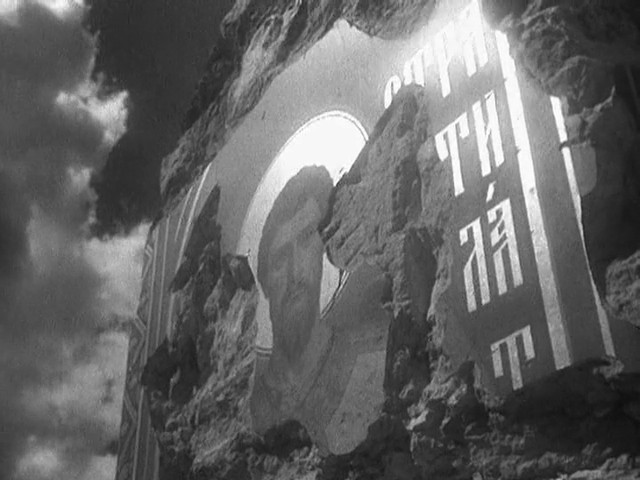
    Describes the Russian attack against the Germans, which drove them away from the Dneiper river, and finally out of Ukraine.Read More »

  • Ivan I. Tverdovskiy – Zoologiya AKA Zoology (2016)

    2011-2020DramaIvan I. TverdovskiyRussia

    29f7c043f76a2bde437fd0d52a185152

    Quote:
    Writer-director Ivan I. Tverdovsky s prize-winning sophomore feature (Special Prize of the Jury at Karlovy Vary Film Festival, Best Picture at Fantastic Fest) deftly mixes the deadpan humour of Aki Kaurismäki with a poignant examination of social issues including loneliness and aging.

    Middle-aged zoo worker Natasha still lives with her mother in a small coastal town. As she struggles for independence, she has to endure the absurd reality of her life filled with gossip spread by the women around her. She is stuck and it seems that life has no surprises for her until one day… she grows a tail. Embarrassed at first, Natasha decides to go further with the transformation and use it as an opportunity to redefine herself as a person and as a woman. With the new “accessory” she gets access to the life that she has never experienced before – she starts a relationship with a man, who finds her attractive, she goes out and allows herself to be foolish for the first time in her life. But her second puberty eventually comes to an end and Natasha has to make a choice between reality and illusion …Read More »

  • Gennadiy Klimov & Igor Shavlak – Semya vurdalakov AKA The Vampire Family (1990)

    1981-1990FantasyGennadiy KlimovHorrorIgor ShavlakUSSR

    A newspaper sends a young reporter into the Russian countryside to make a nice, sensationalist yarn out of some strange stories going around.

    Quote:
    Only vaguely based on Alexei Tolstoy’s novel ‘Oupyr’ (1841), ‘The Vampire Family’ (Semya vurdalakov) is a mixture of striking dreams, fading reality, and most ingenious psychedelic background music, Artemeyv-style (scores by Vladimir Davydenko).Read More »

  • Konstantin Lopushansky – Pisma myortvogo cheloveka AKA Letters from a Dead Man (1986)

    1981-1990ArthouseKonstantin LopushanskySci-FiUSSR

    Quote:
    Letters from a Dead Man is another film that deals with the theme of the nuclear nightmare. It falls into a mini-genre of nuclear holocaust film along with others such as On the Beach (1959), Dr Strangelove or, How I learned to Stop Worrying and Love the Bomb (1964), Fail-Safe (1964), The War Game (1965) et al. But what makes Letters from a Dead Man unique in this case is that the treatment is one that comes from the opposite side of the Iron Curtain. Every single other treatment of the nuclear holocaust theme was made in the West and comes based on the speculation (or at least implication) of what would happen if the bombs falling were coming from the Soviet side; this is one which shows everything from the other perspective. In both cases though, the films are almost identical in their treatment of the subject matter and are certainly agreed upon what an horrific experience the nuclear holocaust would be.Read More »

  • Leonid Ejdlin & Sergei Yutkevich – Lenin v Parizhe AKA Lenin in Paris (1981)

    1981-1990Leonid Ejdlin and Sergei YutkevichSergei YutkevichUSSR

    29f7c043f76a2bde437fd0d52a185152

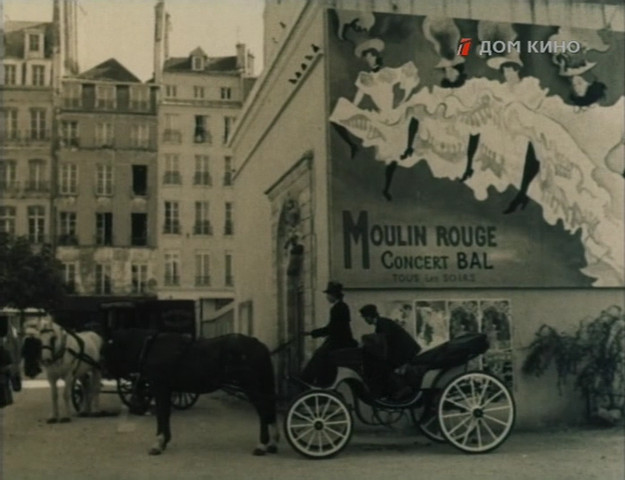
    Russian revolutionary Vladimir Lenin spent four years in Paris (1909–1912), and this historical docudrama explores those years with a certain amount of humor. Lenin is shown visiting with friends, the meetings with his later mistress Inessa Armand (in the movie she is in love with a young communist, Trofimoff), while several of his philosophical views and economic and political theories are mouthed by a former colleague who narrates the film and brings the material into the present.Read More »

  • Yermek Shinarbayev – Mest AKA Revenge (1989)

    1981-1990DramaUSSRYermek Shinarbayev

    29f7c043f76a2bde437fd0d52a185152

    Quote:
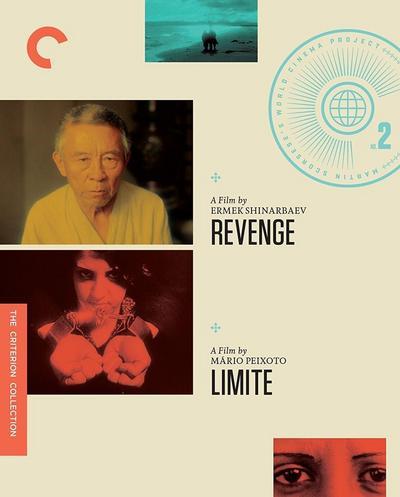
    A child is raised in Korea to avenge the death of his father’s first child in this decades-spanning tale of obsession and violence, the third collaboration between director Ermek Shinarbaev and writer Anatoli Kim. A study of everyday evil infused with philosophy and poetry, this haunting allegory was the first Soviet film to look at the Korean diaspora in central Asia, and a founding work of the Kazakh New Wave. Rigorous and complex, Revenge weaves luminous imagery with inventive narrative elements in an unforgettable meditation on the way trauma is passed down through generations.Read More »

  • Kirill Serebrennikov – (M)uchenik AKA The Student (2016)

    2011-2020DramaKirill SerebrennikovRussia

    Contemporary Russia. A high school student becomes convinced that the world has been lost to evil, and begins to challenge the morals and beliefs of the adults around him.Read More »

  • Marlen Khutsiyev – Mne dvadtsat let AKA I Am Twenty [+Extras] (1965)

    1961-1970ClassicsDramaMarlen KhutsiyevUSSR

    29f7c043f76a2bde437fd0d52a185152

    Synopsis:
    I am Twenty is notable for its often dramatic camera movements, handheld camerawork and heavy use of location shooting, often incorporating non-actors (including a group of foreign exchange students from Ghana and the poet Yevgeny Yevtushenko) and centering scenes around non-staged events (a May Day parade, a building demolition, a poetry reading). Filmmakers Andrei Tarkovsky and Andrei Konchalovsky both play small roles in the film. The dialogue often overlaps and there are stylized flourishes that echo the early French New Wave, especially François Truffaut’s black and white films. The screenplay, co-written by Gennadi Shpalikov, originally called for a film running only 90 minutes, but the full version of the film runs for three hours.Read More »

Back to top button