Federico Fellini

  • Federico Fellini – Intervista [+extras] (1987)

    1971-1980ComedyFantasyFederico FelliniItaly

    29f7c043f76a2bde437fd0d52a185152

    Synopsis:
    Cinecitta, the huge movie studio outside Rome, is 50 years old and Fellini is interviewed by a Japanese TV crew about the films he has made there over the years as he begins production on his latest film. A young actor portrays Fellini arriving at Cinecitta the first time by trolley to interview a star. Marcello Mastroianni dressed as Mandrake the Magician floats by a window and Fellini followed by TV crew takes him to Anita Ekberg’s villa where the Trevi fountain scene from Dolce vita, La (1960) is shown on a sheet that appears and disappears as if by magic.Read More »
  • Sam Stourdzé – Fellini (2014)

    2011-2020BooksNetherlandsSam Stourdzé

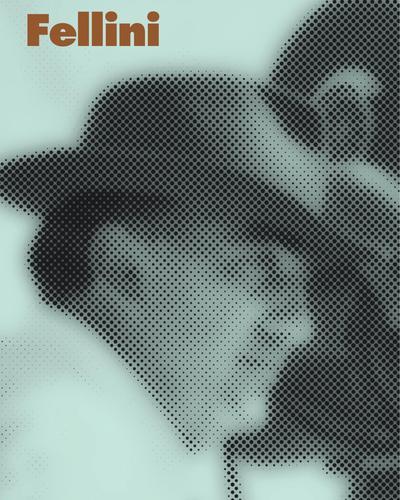
    The career of Federico Fellini lasted for forty years and made him perhaps the most illustrious of all the filmmakers to have come out of Italy. Those forty years saw the appearance of titles that have carved out a permanent niche in the memory of generations of film lovers. Fellini, a richly illustrated book written and edited by Sam Stourdzé, Director of the Musée de l’Elysée in Lausanne (Switzerland), taps into the sources of his fertile imagination and brings the vital power of his work into the limelight providing insight into the obsessions and motivations of the man behind La Strada, La Dolce Vita and 8¿.Read More »

  • Federico Fellini – La Dolce Vita (1960)

    Drama1951-1960ArthouseFederico FelliniItaly

    Quote:
    The biggest hit from the most popular Italian filmmaker of all time, La dolce vita rocketed Federico Fellini to international mainstream success—ironically, by offering a damning critique of the culture of stardom. A look at the darkness beneath the seductive lifestyles of Rome’s rich and glamorous, the film follows a notorious celebrity journalist (a sublimely cool Marcello Mastroianni) during a hectic week spent on the peripheries of the spotlight. This mordant picture was an incisive commentary on the deepening decadence of contemporary Europe, and it provided a prescient glimpse of just how gossip- and fame-obsessed our society would become.Read More »

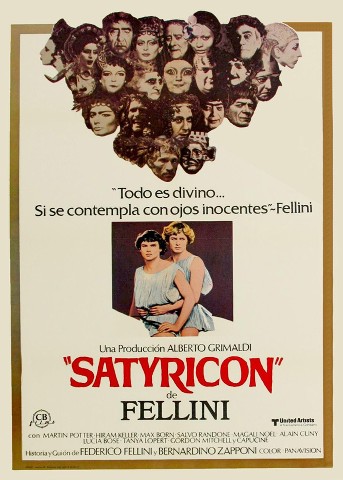
  • Federico Fellini – Fellini – Satyricon [+Extra] (1969)

    1961-1970ArthouseFantasyFederico FelliniItaly

    29f7c043f76a2bde437fd0d52a185152

    Quote:
    In first century Rome, two student friends, Encolpio and Ascilto, argue about ownership of the boy Gitone, divide their belongings and split up. The boy, allowed to choose who he goes with, chooses Ascilto. Only a sudden earthquake saves Encolpio from suicide. We follow Encolpio through a series of adventures, where he is eventually reunited with Ascilto, and which culminates in them helping a man kidnap a hermaphrodite demi-god from a temple. The god dies, and as punishment Encolpio becomes impotent. We then follow them in search of a cure. The film is loosely based on the book Satyricon by Gaius Petronius Arbiter, the “Arbiter of Elegance” in the court of Nero. The book has only survived in fragments, and the film reflects this by being very fragmentary itself, even stopping in mid-sentence.
    Read More »

  • Federico Fellini – Roma AKA Fellini’s Roma [+Extras] (1972)

    1971-1980ArthouseDramaFederico FelliniItaly

    The New York Times review, Published: October 16, 1972

    Roger Greenspun wrote:
    “Fellini’s Roma” is perhaps three-quarters Fellini and one-quarter Rome; a very good proportion for a movie. Although an appreciation of the city informs every part of the movie, Rome is not so much the subject as the occasion for a film that is not quite fiction and surely not fact, but rather the celebration of an imaginative collaboration full of love and awe, suspicion, admiration, exasperation and a measure of well-qualified respect.Read More »

Back to top button