Antal Páger

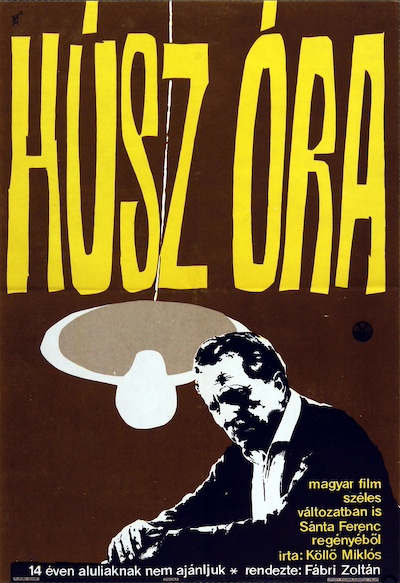
  • Zoltán Fábri – Húsz óra AKA Twenty Hours (1965)

    Zoltán Fábri1961-1970DramaHungary
    Húsz óra (1965)
    Húsz óra (1965)

    “This is a fascinating, thought-provoking film which may be invaluable to anyone interested in the complexities of socialist Hungary. It takes the form of the (fictional) study of a single Hungarian village through interviews by a reporter, but the village is clearly an allegory for Hungary as a whole and the process through which the country passed from the beginning of socialism through to the aftermath of 1956. Because of its narrative structure and its level of sensitivity and sophistication it has the potential to be immensely informative; it is also a moving and disturbing film.”Read More »

  • György Hintsch – Iszony (1965)

    1961-1970DramaGyörgy HintschHungary

    This adaptation of the 1947 novel by Laszlo Nemeth follows the story of a lonely woman who is not interested in men but is forced into a marriage, which turns out badly, against her will.Read More »

  • Károly Makk – Elveszett paradicsom AKA Lost Paradise (1962)

    1961-1970DramaHungaryKároly Makk

    Hungarian filmmaker Károly Makk was an important figure in the development of Hungarian cinema after WWII. He made his directorial debut in 1954. Prior to that, he attended the Budapest Academy of Film Art and then was an assistant director on Geza von Radvanyi’s Somewhere in Europe. While his films of the ‘60s were well respected in Hungary, Makk’s work did not receive international recognition until 1971, when his Love won the Special Jury Prize at Cannes. Since then, he has gained an international reputation. His 1982 film Another Way was the first Eastern European film to deal directly with gay and lesbian concerns. (Mubi)Read More »

  • Zoltán Fábri – Utószezon AKA Late Season (1967)

    1961-1970ComedyDramaHungaryZoltán Fábri

    Kerekes believes he is wanted by the police when his friends play a practical joke in this unusual comedy drama. He returns to his hometown where he was accused of turning a Jewish druggist and the druggist’s wife over to the Nazis. With his friends following him, Kerekes tries to find out what became of the couple after they were deported. After being subjected to a mock trial by his friends — and found guilty — Kerekes becomes despondent and attempts to kill himself. Flashbacks and hallucinations are employed to tell this story that occurs during the Eichmann trial.Read More »

Back to top button