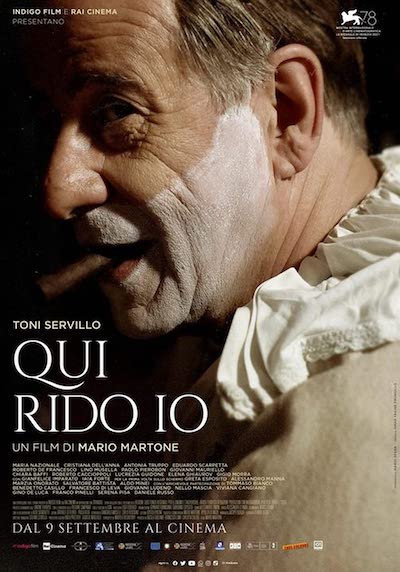

The biography of Neapolitan comic theater legend Eduardo Scarpetta.Read More »

Description:
The mystery surrounding the Salvator Mundi, the first painting by Leonardo da Vinci to be discovered for more than a century, which has now seemingly gone missing.
The Lost Leonardo is the inside story behind the Salvator Mundi, the most expensive painting ever sold at $450 million. From the moment the painting is bought for $1175 at a shady New Orleans auction house, and the restorer discovers masterful Renaissance brushstrokes under the heavy varnish of its cheap restoration, the Salvator Mundi’s fate is determined by an insatiable quest for fame, money and power. As its price soars, so do the questions about its authenticity: is this painting really by Leonardo da Vinci? Unravelling the hidden agendas of the richest men and the most powerful art institutions in the world, The Lost Leonardo reveals how vested interests in the Salvator Mundi are of such tremendous power that truth becomes secondary.Read More »

Amateur travelogues by women in the 1920s-50s are woven into this meditation on the traveler’s gaze.Read More »
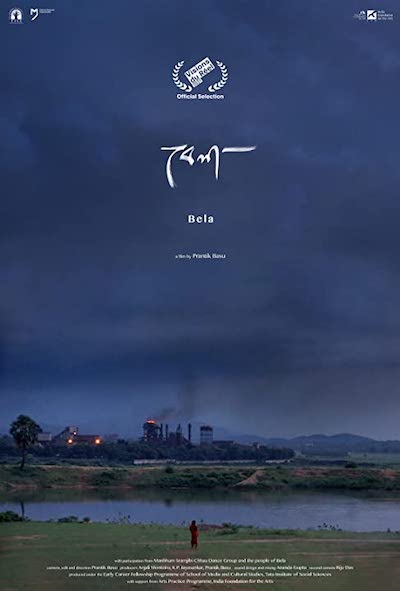
Art, ritual and labour constitute a continuous choreography of daily life in a village in eastern India.Read More »
Introduction
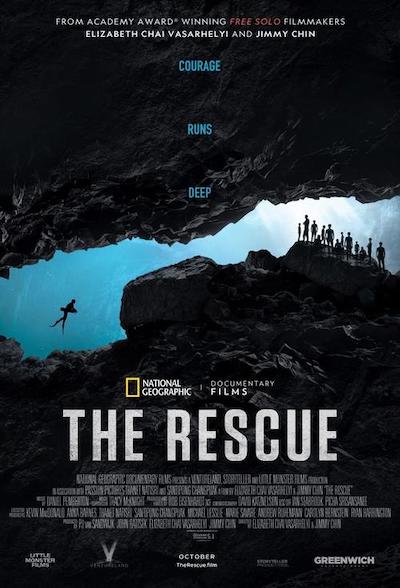
A chronicle of the enthralling, against-all-odds story that transfixed the world in 2018: the daring rescue of twelve boys and their coach from deep inside a flooded cave in Northern Thailand.Read More »
Lawrence Garcia, Cinemascope wrote:
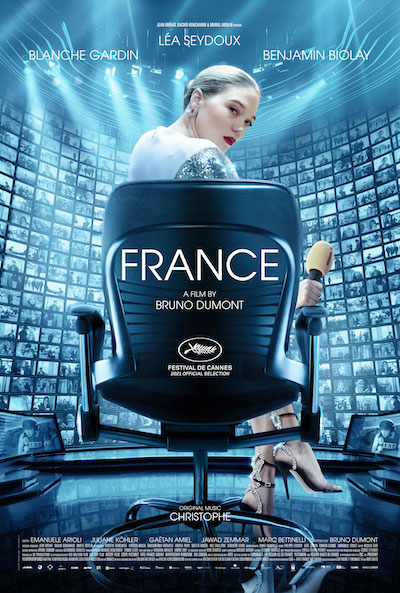
In the seven years since P’tit Quinquin, it has become impossible to continue tagging Bruno Dumont with the longstanding clichés of Bresson criticism. Epithets like “ascetic,” “severe,” “punishing”—already limited descriptors of his first two works, La vie de Jésus (1997) and L’humanité (1999)—have only become more obviously incapable of describing Dumont’s recent films, from the carnivalesque contortions of Ma Loute (2016) to the musical extremes of his Jeanne d’Arc movies. Still, as Dumont’s methods (particularly his increasingly frequent use of professionals alongside non-actors) have ostensibly moved away from those of Bresson, the deeper affinities between the two filmmakers have only become clearer. Read More »

Quote:
“Why did you come back?” a boy asks his slightly older friend. “For my mother”, the teenager replies. He reflects that he could be in Egypt now, or even further away – a costly, hazardous journey. Many Ethiopians take a different means of escape. They chew the stimulating leaves of the khat plant – now Ethiopia’s most lucrative agricultural product, having overtaken coffee.Read More »

A love letter to journalists set in an outpost of an American newspaper in a fictional twentieth century French city that brings to life a collection of stories published in “The French Dispatch Magazine”. The staff of a European publication decides to publish a memorial edition highlighting the three best stories from the last decade: an artist sentenced to life imprisonment, student riots, and a kidnapping resolved by a chef.Read More »

He was the first (blond) fallen angel of rock. By disappearing at the age of 27, drowned in his swimming pool on July 3, 1969, Brian Jones inaugurated the macabre list of rock’s shooting stars: Jimi Hendrix, Janis Joplin, Jim Morrison, Kurt Cobain, Amy Winehouse, all decimated at the same age by a too toxic lifestyle. Mounted very early in London, one of the first “slide guitar” players recruits beginners named Mick Jagger, Keith Richards or Charlie Watts, chooses the name “Rolling Stones”, defines the garage sound and blues, and inspires the bad boy side of the band. But endowed with a shy, insecure temperament, Brian Jones is gradually crushed by the creative power of the Jagger/Richards duo.Read More »