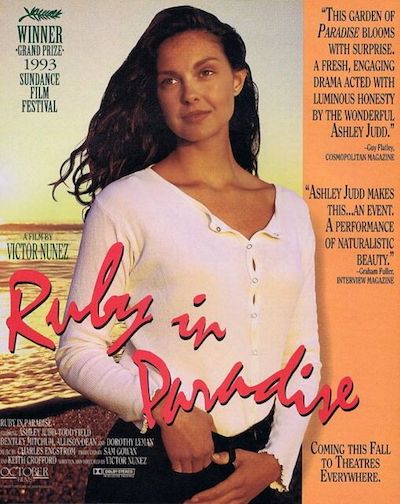

A young woman struggles for independence and identity in a small Florida tourist town.Read More »

The story follows an underground weapons manufacturer in Belgrade during WWII and evolves into fairly surreal situations. A black marketeer who smuggles the weapons to partisans doesn’t mention to the workers that the war is over, and they keep producing. Years later, they break out of their underground “shelter” — only to convince themselves that the war is still going on.Read More »
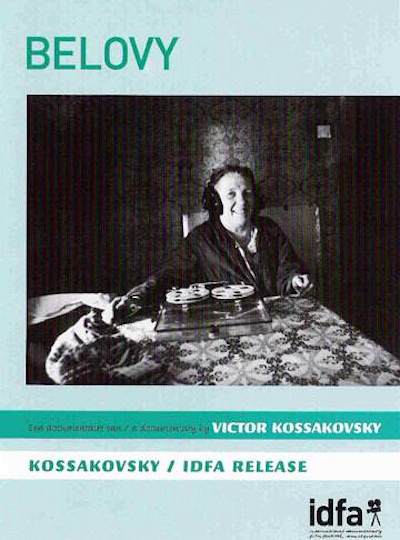
“Belovy (the Belovs)” is a breathtaking portrait of a troubled peasant family. It’s poetry in the form of a documentary that won many prizes. Beautifully shot in vintage black and white, the film tells the story of two times widow Anna Belova who lives together with her brother Mikhail. Blending the two personalities, Kosakovsky characterizes the true Russian soul: she is the rational worker, honest and strong – he is the drunken poet, the idealist, his philosophy fades into radical nonsense time after time. Kosakovsky ingeniously knows to cut between a noisy quarrel and a hedgehog drinking in the early morning sun. The two seem to live alone in the world until two other brothers come to visit. They wonder if there is a measure for misery, they quarrel, take a steam-bath and go skinny- dipping in a nearby river. The film displays the grief and joy of Anna who lives with her stoic brother and two kids who don’t seem to make any progress. Magnificent- typically Russian- photography reminds one of Tarkovsky when we closely examine the bark of a tree while we hear Anna cry over a letter she writes to a son far far away.Read More »
Quote:
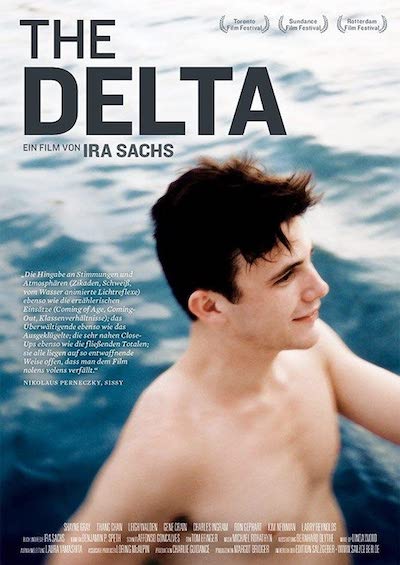
Set in Memphis, “The Delta,” Ira Sachs’ feature directorial debut, is an original but severely flawed gay-themed drama about the complex relationship between a white suburban adolescent and a Vietnamese immigrant. This small-scale, intimate picture displays a fresh cinematic voice, but suffers from narrative problems and ultra-modest tech credits that will damage its theatrical prospects, possibly limiting its showing to the gay and regional festival circuits.Read More »

Quote:
Winner of the Best Cinematography Award at the Sundance Film Festival, the eloquent historical drama Color of a Brisk and Leaping Day has been acclaimed as “a film touched with greatness” (Village Voice) whose “very existence vindicates the dream of an art house independent cinema” (Film Comment).Read More »
Quote:
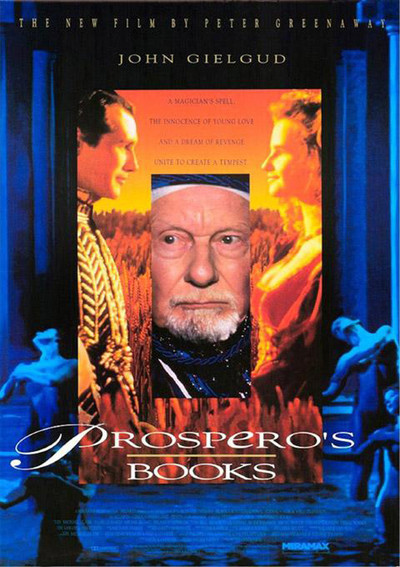
Peter Greenaway’s “Prospero’s Books” is not a movie in the sense that we usually employ the word. It’s an experiment in form and content. It is likely to bore most audiences, but will enchant others — especially those able to free themselves from the notion that movies must tell stories. This film should be approached like a record album or an art book. Each “page” is there to be studied in its complexity and richness, while on the soundtrack we hear one of the great voices in theater history, John Gielgud’s.Read More »
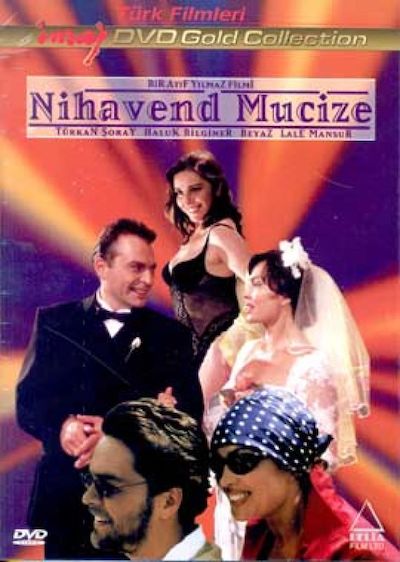
Synopsis
Suzan died 25 years ago. But after seeing his son’s loneliness and despair in the world, he had to return to the world at the end of these 25 years. The world he left is completely different from the world he finds. Suzan suffers from a deep adaptation to this change. After a while, he realizes that he must adopt such a fit. The goal is clear: to regulate the life of his son. This goal will have other benefits.Read More »
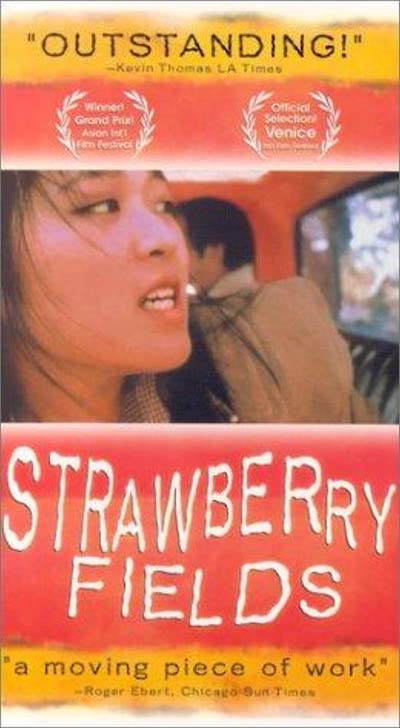
Amid the political turbulence and heady counterculture of early 1970s, Vietnam-era America, Irene (Suzy Nakamura), a rebellious sixteen-year-old Japanese American girl, leaves home and takes off on a road trip, heading west with her boyfriend and a pair of political activists. Her journey takes her on an unexpected detour of self-discovery, however, when she decides to visit the internment camp where her parents were incarcerated decades earlier. Drawing on her own family’s history, director Rea Tajiri fashions a profoundly cathartic look at the ways in which the traumas of America’s past echo into the present.Read More »

Quote:
A family man slowly becomes dangerously obsessive and paranoid in this grim Austrian drama that contains a graphically violent ending. As the story begins, George, an engineer who works at a science facility, has a normal happy life with his wife and kids. They are in the process of building a new house when George learns that a nearby chemical plant has been leaking dangerous gas into the air. This causes George to begin suffering from terrifying hallucinations. His paranoia increases every time he hears another report of violence, crime, war, or any other social problems on the news. After learning that his company may be overtaken by a larger corporation, George decides to send his family on an Italian vacation while he stays home and turns their apartment into a strange refuge from the terrible world he knows is coming.Read More »