PLOT:Part of a tv series in which foreign filmmakers portray a region or town in France. Otar Iosselani looks at the Basque region and its inhabitants. Concentrating on the Fête Dieu, its traditional Pastorale during Summer 1982 and its festive preparation.Read More »
After spending the last of WWII in a brutal Japanese POW camp leaving him with nightmares, Ivan returns home to Pennsylvania for his childhood friend, Maria. But he has rivals for her love.Read More »
It depicts a unique parent-child love through the appearance of a father and daughter reuniting for the first time in 15 years. A theatrical version of the tele feature aired on Nippon Television in 1988. The screenplay was co-written by Rio Kishida and Yo Saiki of “Prosperity of Vice.” The director is Nobuhiko Obayashi of “Futari”. The cinematographer is Yoshinao Sakamoto of “BEST GUY”.Read More »
Quote: Roberto Razzi, skeptical and convinced atheist, is the conductor of the Futuro program, in which he unmasks the most common tricks and deceptions that make the miracle cry out to everyone.Read More »
Wim Wenders talks with Japanese fashion designer Yohji Yamamoto about the creative process and ponders the relationship between cities, identity and the cinema in the digital age.Read More »
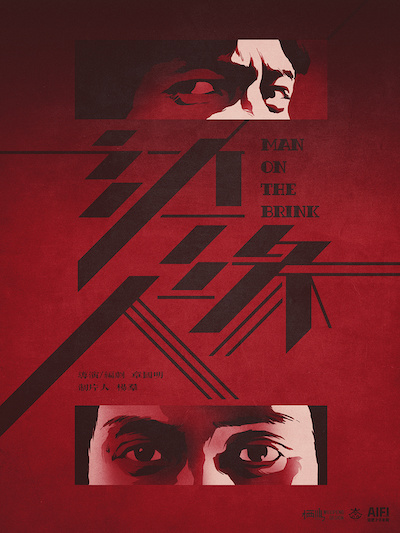
Quote: Writing, directing and photographing Man On The Brink, Cheung can’t possibly have been the first kid on the block to attempt this story that later cropped up to great effect in City On Fire. But watching Chiu’s descent shaped by the seedy world around him is quite engaging, much more so during the latter stages of the film when Cheung easily plants that sinking feeling in viewer’s stomachs. Meaning that the proceedings are heading towards a sad end statement as Cheung takes us on a continuation of the social commentary from his debut. Read More »
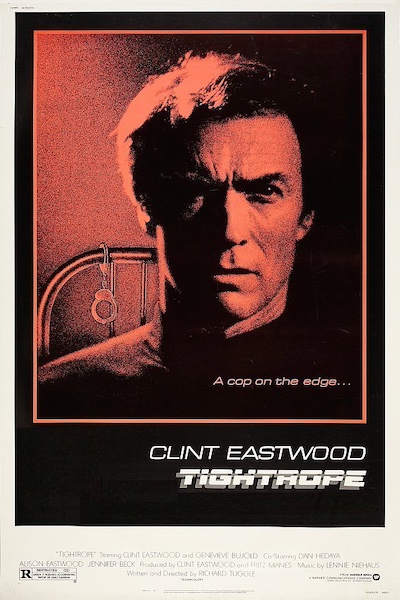
Quote: New Orleans single dad and cop Wes Block goes after a serial rapist-killer but when he gets too close to the target the hunter suddenly becomes the hunted.Read More »
Fábri linked two József Balázs novels. The Bálint Fábián story depicts the bitter peasant existence of the father of the protagonist of Hungarians with a profundity and power similar to sociographic literature of the 1930s.
Bálint Fábián is killing people on the Italian front in 1918. At home, his sons strangle the priest who is the lover of their mother. On returning from the front, instead of discovering a robust wife Bálint finds a deranged woman. He is to be the carriage driver for the baron but during the ‘white terror’ he showed solidarity with his fellow labourers, and he returns to his sons as a shepherd. His wife dies, his sons abandon him…Read More »