Quote: This film (with a soundtrack by Brian Eno) is largely filmed with an exploration of the film medium in certain aspects.
It is also concerned with making certain conceptions about time in a more illusory way than I have been inclined to explore in many other of my films. It attempts to deal with some of the paradoxes of the relationships of the “real” time which exists when the film was being shot, with the “real” time which exists when the film is being screened, and how this can be modulated by technical manipulation of the images and sequences.Read More »
A group of young writers sell their soul to the devil. ‘It is a film about the meaning of isolation and a certain megalomania that developed in Chile during the government of Eduardo Frei. The version RAI originally broadcast [black and white, 45 minutes shorter and until now the only one in circulation] was made by cutting everything out that makes allusion to the political context and makes the characters real. […] The story was not the most important thing: the most important thing was the speeches that were around the story, which is one of the themes of modern cinema”. (Raúl Ruiz)Read More »
Quote: “Described as a play for dancers rather than a ballet, De fordomda kvinnornas dans focuses on four women moving in a narrow closed room. They represent ‘generational’ women, i.e., women who live by performing a role imposed upon them by other women of many generations ago. Two of the dancers are damned souls come alive. The third is Death and the fourth a child, born free but forced into the role playing pattern. Ingmar Bergman and Donya Feuer got the idea for the dance play during the shooting of TrollflojtenRead More »
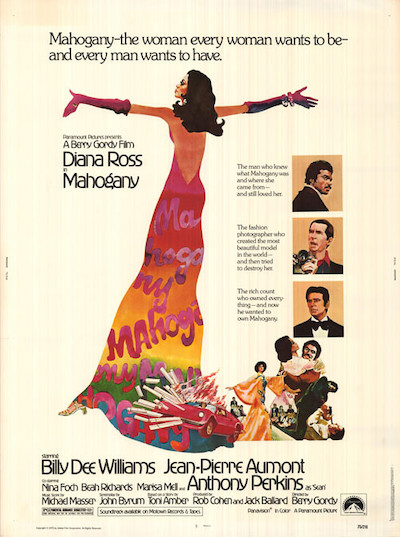
Tracy (Diana Ross), an aspiring designer from the slums of Chicago puts herself through fashion school in the hopes of becoming one of the world’s top designers. Her ambition leads her to Rome spurring a choice between the man she loves or her newfound success.Read More »
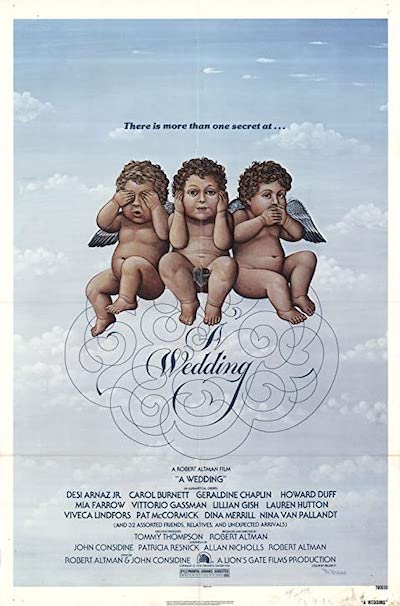
Quote: The daughter of a Louisville truck driver marries the scion of a very wealthy family, but the reception at the family estate is boycotted by the invited guests.Read More »
A populist right-wing tabloid newspaper tries to derail the official police investigation of a brutal murder of a young girl in order to help the fascist and right-wing candidates it supports in the upcoming elections.
Sbatti il mostro in prima pagina (Italian: “Slam the Monster on the Frontpage”) is a 1972 Italian drama film directed by Marco Bellocchio.Read More »
Quote: Set in a small village in the Moroccan countryside, Alyam, Alyam tells a story culled from the lived reality of young men almost forty years ago while still remaining very much of the present day. A young man named Abdelwahed pins his dreams of a better life for himself and his family on travelling to France and finding work there. As the eldest of eight children, he becomes the principal caretaker and breadwinner for his family after his father passes away. He fills out forms and waits for his work permit to arrive. Meanwhile, Hlima, his recently widowed mother who’s reticent to let him go, tries in vain to dissuade him and enlists the help of Abdelwahed’s grandfather too. As the days flow by to the cadence of life in the countryside, marked by the hardships of farming, Abdelwahed waits. All he can do is wait. Straddling fiction and documentary, Alyam, Alyam is Ahmed El Maanouni’s first narrative feature, and the first Moroccan film ever to be selected at the Cannes Film Festival. Recently restored, the film’s splendor and finely crafted editing has become available once again for cinéphiles and new generations to discover.Read More »
Giorgio is a greedy adulterer who makes a deal with a serial killer to dispose of his wealthy wife, Nora. Unfortunately, a thrill-seeking young couple steal the killer’s car with Nora’s corpse in the trunk, ending up at a run-down seaside villa.Read More »