

Quote:
A classic underground film made in 1968, it is divided into three parts, the Opium Dream, Shaman, & Heavenly Blue Mylar Pavilions. A unique film by the originator of mylar photography.Read More »
Quote:
A classic underground film made in 1968, it is divided into three parts, the Opium Dream, Shaman, & Heavenly Blue Mylar Pavilions. A unique film by the originator of mylar photography.Read More »
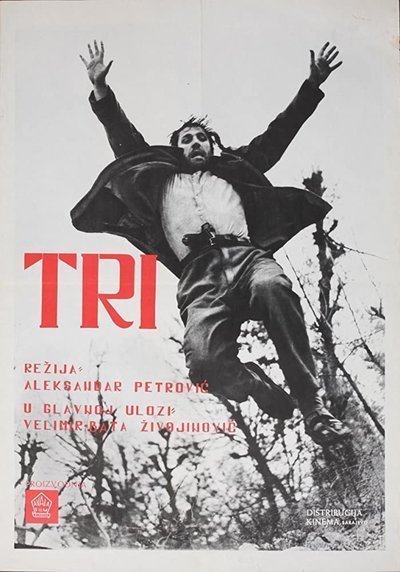
Three encounters of revolutionary Milos (Velimir “Bata” Zivojinovic) with death during the war. In the episode one, Milos is watching the death of someone else. In the second episode, he is being prosecuted by Germans. In the third episode, he lived throughout the war in the situation to decide human lives. The dilemma which haunted him during the war stays: whether to punish or forgive.Read More »
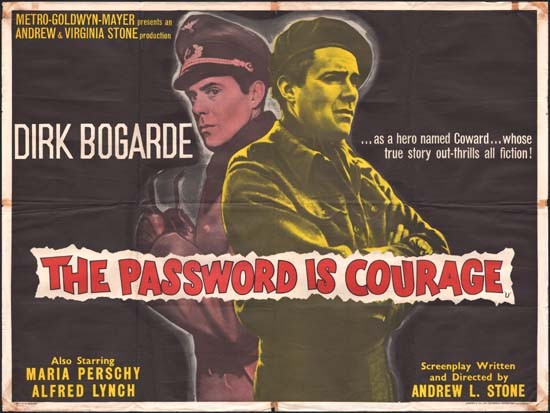
A British officer, captured by the Germans, tries everything he can to escape. In the process, amongst many other adventures he gets awarded the Iron Cross !! Based on a true story.Read More »

Quote:
Considered by Whitehead to be his most important film, The Fall is an extraordinary piece of filmmaking, an extremely personal statement on violence, revolution and the turbulence within late sixties America. Filmed entirely in and around New York between October 1967 and June 1968, it features Robert Kennedy, The Bread and Puppet Theater, Paul Auster (fresh-faced as a Columbia student), Tom Hayden, Mark Rudd, Stokely Carmichael, H. Rap Brown, Arthur Miller, Robert Lowell, Robert Rauschenberg and The Deconstructivists. Richard Roud, co-director of the New York Film Festival wrote of the film, “…an attempt to come to grips with today, both in terms of its content as well as of its form.”Read More »

Quote:
The Whisperers stars Dame Edith Evans as a lonely old woman whose imagination is getting the better of her sanity. She insists that she hears “whisperers” plotting and planning against her at all times; she also believes that these imaginary entities are spying on her. So suspicious is Ms. Evans of her nonexistent whisperers that she fails to notice the very real predators around her. — Hal Erickson (Rovi)Read More »
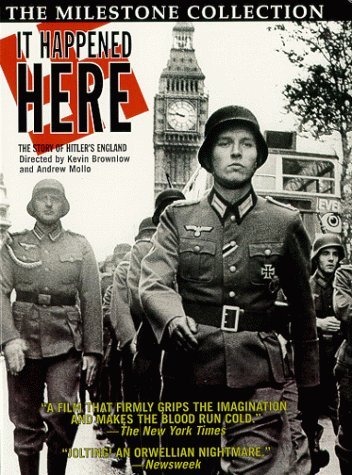
It is the Second World War. The Nazis have invaded Britain. There is a split between the resistance and those who prefer to collaborate with the invaders for a quiet life. The protagonist, a nurse, is caught in the middle.
British film historian Kevin Brownlow was all of 18 when he conceived the idea for this alternate-history film depicting what life in London would have been like if Nazi troops had conquered England in July 1940. Along with his friend and collaborator Andrew Mollo (only 16 at the time), he took eight years to piece the film together using borrowed equipment and begging scraps of film stock from established filmmakers such as Stanley Kubrick.Read More »
Quote:
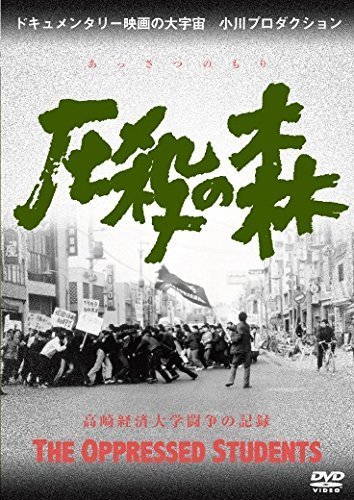
After SEA OF YOUTH, the film team turned itself into a full-fledged collective: the Independent Screening Organization, or Jieso for short. This was the precursor to Ogawa Productions, and as the name indicates their focus was on reception. This was because they discovered there was no easy way to show SEA OF YOUTH. Jieso networked social movements and film fans across Japan to create an alternative distribution route. Their next film, FOREST OF OPPRESSION, turns to the phenomenon of students barricading themselves inside schools to various political ends. They chose Takasaki City University of Economics, and audiences were shocked by the vigor and violence of this protest in such a minor university. The film put Ogawa on the map.Read More »
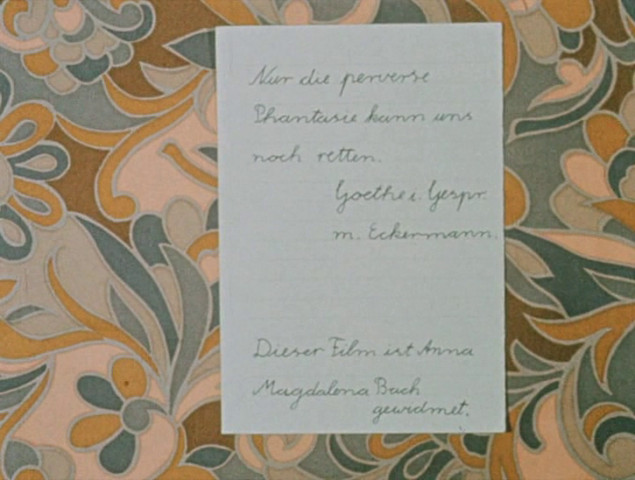
Pornography in the service of politics. An outrageous provocation, this attack on reactionary German legislation discriminating against young film directors, features head-on, close-up shots of a penis ‘mouthing’ the parliamentary defence of the law by its author. This is followed by masturbation of the organ by an anonymous female hand, ending with ejaculation into the camera and a close-up of a nude behind ‘blowing’ out a candle (with appropriate sound). A landmark in political pamphleteering, the film was selected for the 1968 Oberhausen International Short Film Festival by a committee of leading German critics, and promptly banned by the (social-democratic!) city government, causing the withdrawal of almost all German directors from the festival and a national scandal. The title satirically refers to the official certificate of ‘Particularly Valuable’ given each year to the best film shorts by an Establishment selection committee.
– Amos Vogel, Film as a Subversive ArtRead More »
Quote:
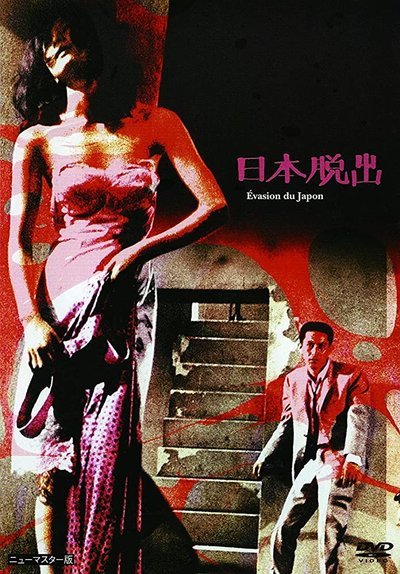
‘Escape from Japan’ chronicles the misadventures of Tatsuo Ihara, a small-time criminal who dreams of seeking his fortune away from Japan. Timed to coincide with the Tokyo Olympiad and released on July 4, Escape From Japan can be safely assumed to have something to say about Japan’s place in the world and its relations with the U.S. in particular. It also proves less an imitation than a black-comic send-up of the sort of sordid crime stories that Seijun Suzuki and others specialized in.Read More »