

Two lonely women coincide at midnight in a laundromat, where they reveal their secrets.Read More »
Two lonely women coincide at midnight in a laundromat, where they reveal their secrets.Read More »

An Italian sports journalist arrives in Australia but finds no work. The only employment he can find is as a builder’s labourer. At first, he cannot comprehend the culture, but eventually he finds mateship and romance.Read More »
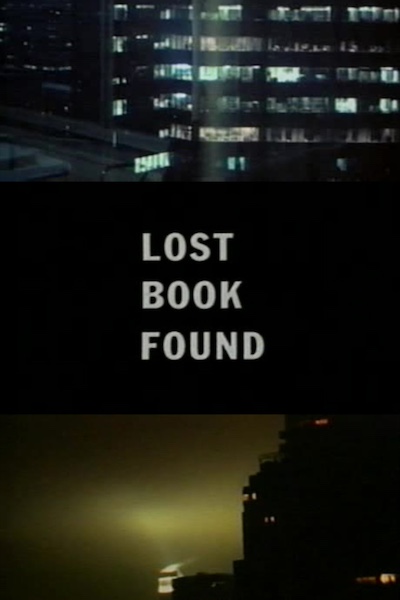
Twenty five years ago, Jem Cohen completed Lost Book Found, a semi-fictional diary film that draws from his experience as a pushcart vendor in lower Manhattan. The work is crafted from what such a vendor might have seen and heard: bits of paper and plastic swirling ghostlike in eddies of wind; weathered storefronts; window displays crowded with tchotchkes; enigmatic notes taped to streetlights; disassociated recordings of sales pitches, passing conversations, and the sounds of machines at work; unlovely aggregations of cardboard; evening skylines glowing in fog.Read More »

Plot:
The film is set in Croatia in mid-1991, after the Croatian Parliament had proclaimed the country’s independence, seceding it from Yugoslavia. However, army garrisons around the country are still held by the Yugoslav People’s Army (JNA), which does not acknowledge the parliament’s decision. The JNA garrisons are largely manned by conscripts hailing from all over Yugoslavia who are serving their compulsory military service, and headed by senior officers who ignore Croatian demands that the JNA should leave Croatian territory and release Croats under their command. In this backdrop, the film begins with the arrival of art historian Blaž Gajski (played by Vlatko Dulić) to a small unnamed Croatian island with the intention of rescuing his son Zoran (Leon Lučev) who is serving at the local JNA barracks…Read More »

An essay film, staged as a short drama deploying a first person, diary film narration over exquisitely designed object oriented “still life” tableaus, Gillian Leahy’s My Life Without Steve (1986) was a sensational hit in the mid-1980s. It won the Grand Prix and the Irwin Rado Award for Best Australian Film at the Melbourne International Film Festival, and the General Category of the Greater Union Awards (today’s Dendy Awards) at the Sydney Film Festival. The film screened widely and generated passionate debate.Read More »

In 1917, the First World War is raging. Julien is from Luxemburg, so instead of having to go to war he studies piano in Paris. One day his friend Jacques, also a musician and now a fighter pilot on the front, invites him to spend a few days in his family’s empty house in Bray. The housekeeper, a beautiful but mute woman lets Julien in, but his friend is late and he is obliged to wait. In the meantime, he starts reminiscing of the pre-war days spent with his friend and Jacques’ girlfriend Odile.Read More »
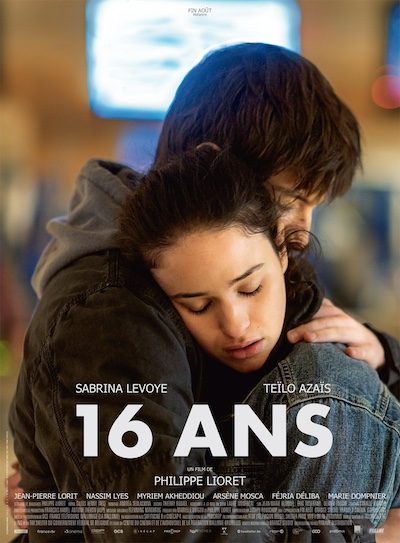
Follows Nora and Leo who attend the same high school and despite different social and religious backgrounds and everyday lives, they fall in love at first sight.Read More »

Most cinephiles pick up on larger trends in filmmaking. As new artists enter the industry, they bring aspects of their favorite works back into the mainstream. For good or ill, each new generation of artists showcase common themes and concepts with those who came before. To some, this cycle creates derivative art. Yet, as Professor Howard Suber points out, it’s only memorable films that shape popular culture. Pulling from his lectures, his 2006 book, and dozens of films, Suber’s new documentary series, The Power of Film, provides an excellent foundation for audiences to begin a deeper appreciation of the art form.Read More »
Quote:
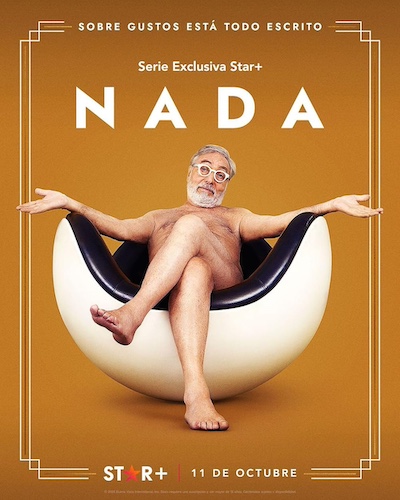
An iconic bon vivant, who barely has enough resources to maintain his affluent lifestyle, hires a young woman from Paraguay to replace the recently deceased maid who took care of him for more than 40 years.Read More »