“Constantine P. Cavafy, also known as Konstantin or Konstantinos Petrou Kavafis, or Kavaphes (Greek: Κωνσταντίνος Π. Καβάφης) (April 29, 1863 – April 29, 1933) was a renowned Greek poet who lived in Alexandria and worked as a journalist and civil servant. In his poetry he examined critically some aspects of Christianity, patriotism, and homosexuality, though he was not always comfortable with his role as a nonconformist. He published 154 poems; dozens more remained incomplete or in sketch form. His most important poetry was written after his fortieth birthday.Read More »
-
Yannis Smaragdis – Kavafis AKA Cavafy (1996)
1991-2000ArthouseDramaGreeceQueer Cinema(s)Yannis Smaragdis -
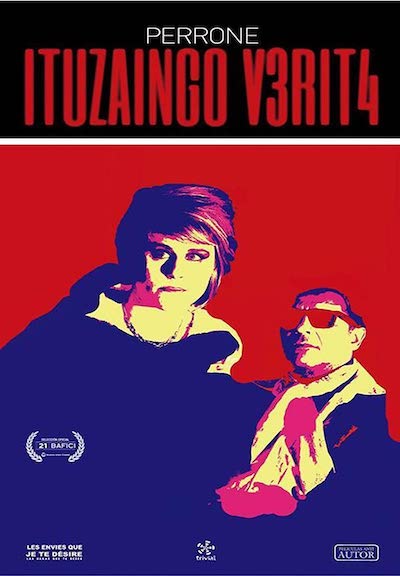
Raúl Perrone – Ituzaingo V3rit4 (2019)
Raúl Perrone2011-2020ArgentinaExperimentalSynopsis
Perrone returns with a new exploration of his quintessential aesthetic territory, Ituzaingó. This time the night in the western city exudes cinema and theatre. Actors, actresses, directors and producers parade like daffodils from the underworld in a world of jealousy, hypocrisy, idiocy and much more.
(FILMAFFINITY)Read More » -
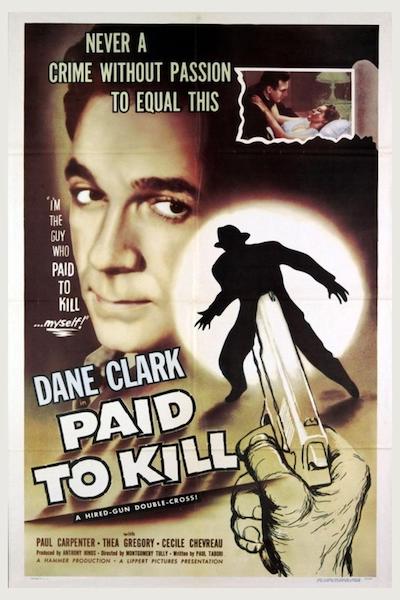
Montgomery Tully – Five Days (1954)
1951-1960CrimeFilm NoirHammer FilmsMontgomery TullyUSAQuote:
A failed business deal forces James Nevill to blackmail his weak-willed friend into murdering him so that his wife can collect his insurance, but circumstances suddenly change.Read More » -
Tadeusz Makarczynski – Do redakcji nadszedl list AKA A Letter at the Editorial Office (1950)
Tadeusz Makarczynski1941-1950DocumentaryPolandShort FilmQuote:
The documentary shows the work of journalists and the importance of the press in building socialism. It is an exemplary implementation of the socialist-realist convention imposed on Polish cinema in 1949, in which all elements of the film structure were subordinated to the persuasive function.In accordance with the convention of a propaganda documentary, the image in “Do redakcja nadszedł list” / “A letter has arrived to the editor” is exclusively an illustration of the propaganda commentary on which the construction of the entire film is based. As in many works of the 1950s, the authors combine in it few observational elements with staging, the documentary element with the fictional one. Read More »
-
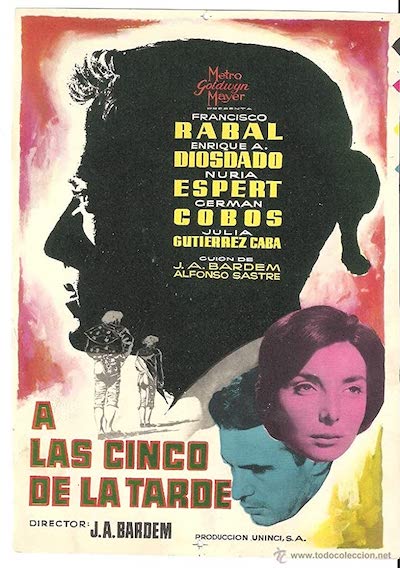
Juan Antonio Bardem – A las cinco de la tarde (1960)
Juan Antonio Bardem1951-1960DramaSpain

Synopsis
The title refers to the common time for bullfights, and the story involves an ambitious young torero on his way up the ladder of success, and an older one on his way down, a bitter view of the popular Spanish spectacle.
(imdb)Read More » -
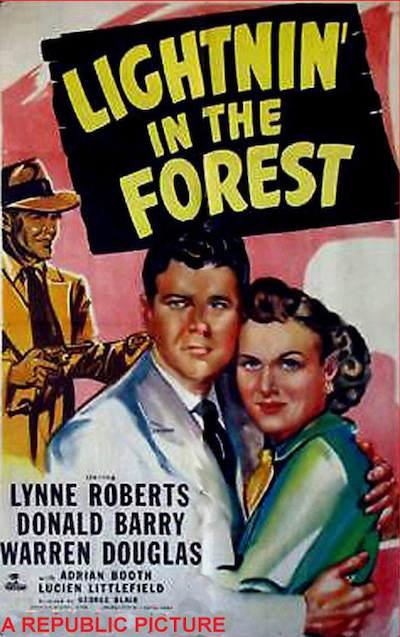
George Blair – Lightnin’ in the Forest (1948)
1941-1950CrimeDramaGeorge BlairUSAPsychiatrist David Lamont is pressured into “analyzing” the madcap but glamorous niece of a judge. Then crooks on the lam intrude.Read More »
-
Gustavo Vinagre – Vil, Má AKA Divinely Evil (2020)
2011-2020ArthouseBrazilDramaGustavo VinagreQueer Cinema(s)

Now in her seventies, Wilma Azevedo—Brazil’s ‘queen of sadomasochistic literature’—narrates her turbulent, sexually explicit life story, once as her pseudonym and once as herself. As her memory fails her, a young actress who is supposed to play her in an upcoming film comes to her aid.Read More »
-
Bogdan Theodor Olteanu – Mia isi rateaza razbunarea (2020)
2011-2020ArthouseBogdan Theodor OlteanuDramaMumblecoreRomaniaMia, a young actress, is slapped by her boyfriend. That does it. She moves back home and starts planning her revenge. She decides to make a sex video to send to her ex. She just needs to find a man to make it with.Read More »
-
Kazuo Hara – Minamata Mandala (2020)
Kazuo Hara2011-2020DocumentaryJapan“Minamata disease” is a neurological disease caused by methylmercury poisoning named for its identification in Kumamoto Prefecture, where industrial wastewater from a Chisso Corporation chemical plant contaminated fish and shellfish consumed by communities around Minamata Bay and the Shiranui Sea. Filmed over 15 years, this sprawling documentary lays out this history of pollution dating back to the 1930s and decades long legal battles against the government for diagnosis certification and reparations. However the film gives itself over to the network of survivors, care providers, and supporters keeping the fight alive, following unexpected chutes and ladders from gregarious researchers’ theories pushing back against an intransigent medical establishment, to the passionate song lyrics of a woman suffering since childhood. Here Hara and Kobayashi return to core commitments of disability rights and individuals’ demands of the state, extending Noriaki Tsuchimoto’s landmark series on the Minamata struggle, and issuing a cry against political apathy.Read More »