

Synopsis:
Lacking a formal narrative, Warhol’s art house classic follows various residents of the Chelsea Hotel in 1966 New York City, presented in a split screen with a single audio track in conjunction with one side of screen.Read More »
Synopsis:
Lacking a formal narrative, Warhol’s art house classic follows various residents of the Chelsea Hotel in 1966 New York City, presented in a split screen with a single audio track in conjunction with one side of screen.Read More »

Quote:
DJ Sabu’s overactive libido leads him into teenaged pregnancy. His mythic quest for two thousand boys ends with Happy, a paranoid UFO-ologist to whom aliens promise to appear (as his love child). Spanky is an evil hairdresser trying to foil Sabu’s mission, he is the self-proclaimed ‘biggest bitch in the world.’ The action unfolds at a series of raves on old garbage hill in an industrial Antonioni landscape peopled with characters right out of vintage John Waters.Read More »

Quote:
A classic underground film made in 1968, it is divided into three parts, the Opium Dream, Shaman, & Heavenly Blue Mylar Pavilions. A unique film by the originator of mylar photography.Read More »

Quote:
Khaled, a Syrian transgender migrant who was born male, dreams of undergoing gender transition surgery. While trying to make a living from various menial jobs, she falls in love with a Palestinian freedom fighter and joins his resistance. Gently, compassionately, Cinema Fouad draws a portrait of Khaled and introduces the viewer to one of Beirut’s rarely seen netherworlds.Read More »
Quote:
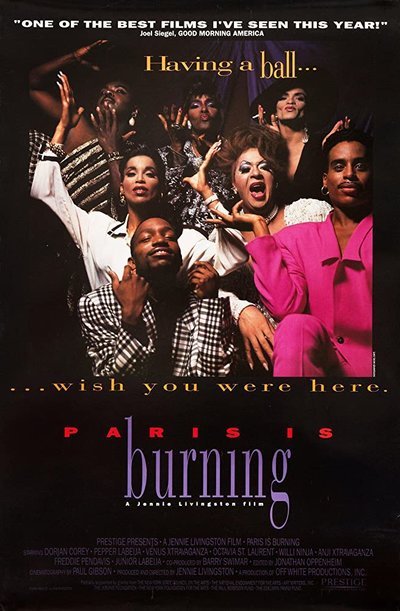
This documentary focuses on drag queens living in New York City and their “house” culture, which provides a sense of community and support for the flamboyant and often socially shunned performers. Groups from each house compete in elaborate balls that take cues from the world of fashion. Also touching on issues of racism and poverty, the film features interviews with a number of renowned drag queens, including Willi Ninja, Pepper LaBeija and Dorian Corey.Read More »
Quote:
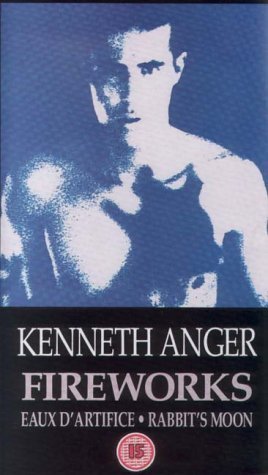
A woman dressed elegantly walks purposely through the water gardens at the Villa d’Este in Tivoli, as the music of Vivaldi’s “Winter” movement of “The Four Seasons” plays. Heavy red filters give a blue cast to the light; water plays across stone, and fountains send it into the air. No words are spoken. Baroque statuary and the sensuous flow of water are back lit. Anger calls it “water games.”Read More »

Quote:
Maverick British gay director Derek Jarman’s last film is a wordless compilation of his home movies from 1970 — six years before his debut feature “Sebastiane” — to 1986, set to a Brian Eno score. Footage ranges from casual snippets of home life to behind-the-scenes set footage, along with appearances from famous friends like William S. Burroughs and the Sex Pistols. As the years progress, the spread of AIDS begins to decimate Jarman’s social circle.Read More »

A story set in the back alleys and nightclubs of Beyoğlu among drag queens and prostitutes, pimps and hopeless lovers…
It shows all the dark corners of Beyoglu, Istanbul. Prostitutes, transexuals and their pimps are the protagonists of this movie, which is quite unlikely for a movie made in 1994. More strange thing is that the director creates a perfect atmosphere with real transsexuals, gay bars and night clubs.Read More »

Quote:
Touko Laaksonen, a decorated officer, returns home after a harrowing and heroic experience serving his country in World War II, but life in Finland during peacetime proves equally distressing. He finds peace-time Helsinki rampant with persecution of the homosexual men around him, even being pressured to marry women and have children. Touko finds refuge in his liberating art, specializing in homoerotic drawings of muscular men, free of inhibitions. His work – made famous by his signature ‘Tom of Finland’ – became the emblem of a generation of men and fanned the flames of a gay revolution.Read More »