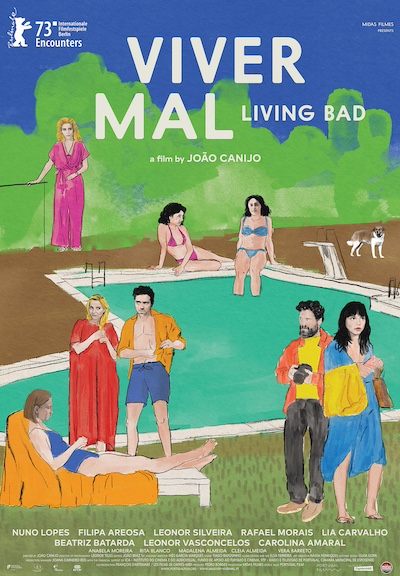

Five women are running an old hotel. Guests arrive over the course of a weekend and are drawn into a web of ongoing conflict.
2 wins, 2 nominations.Read More »
Five women are running an old hotel. Guests arrive over the course of a weekend and are drawn into a web of ongoing conflict.
2 wins, 2 nominations.Read More »
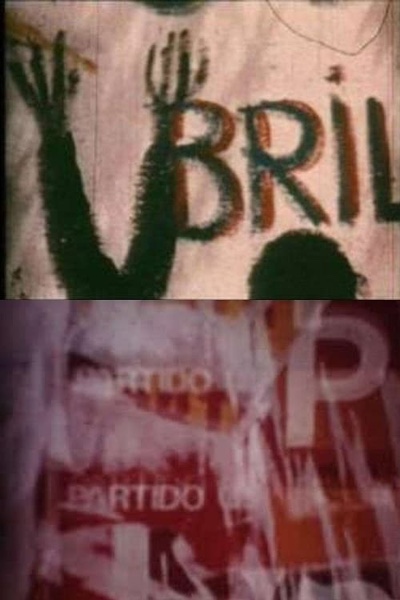
In celebration of the 50th anniversary of the 25 de Abril revolution.
50 years of freedom.
Fátima Rolo Duarte wrote:
The speed of each image sewn together with the speed of each image in the blink of an eye. For what is worth, memory remains intact after all. The walls turn outwards, emerge from the darkness, vibrate. Sound accompanies things, signs, seemingly disordered fragments. Ana Hatherly is the director-weaver of this monument in honor of the immediate 25th of April. Alive, crazy and praised for its vertiginous editing, “incoactive mosaics”, to use a felicitous expression by Marie-José Mondzain. Read More »

Synopsis
Dina (Maria Santiago) is a teenager brought up by her grandmother, employed as a housekeeper for a fairly well-off family. Since Dina only has her grandmother, she spends her time fantasizing about her life and reading comic-book love stories – activities that do nothing to improve her dim perspective of reality. Due to these handicaps and her own inexperience, she gets involved with Django (Luis Lucas), a shady character who decides to use her as bait to attract men and then rob them. One day when both are in a taxi with robbery in mind, the driver gets suspicious so Django shoots him, and so does Dina. She escapes and runs away – though it seems like she has learned too little too late. This story unfolds against a time of upheaval in Portugal (mid-1970s) when the military government is formulating a constitution and social changes are happening everywhere.Read More »

Follows five women who fight for the stability of a hotel they inherited, living an “old and irresolvable conflict,” with many conversations that have been postponed and much that remains to be said within a family.
3 wins, 2 nominations.Read More »

An audacious and daring project, Dialogues After the End by Tiago Guedes is a film and a series based on Cesare Pavese’s Dialogues After the End. There are a total of nineteen dialogues, at once eloquent and fragile, between humanised gods, demi-gods, heroes and other pagan figures, which question contemporary society through the imagery of Greek myths.Read More »

Quote:
“A Princesinha das Rosas”, maybe the most known of the series, and is about Naíde, a girl born from the union between a fisherman and a mermaid, adopted by monarchs of a country with no heirs, but to whom the call of the waters will inevitably attract. Noémia films the story with a naïve simplicity that accentuates the film’s dark fairytale tone.Read More »

Three young sisters are set apart by the eruption of Fogo.
But they sing.
One day we’ll know why we live and why we suffer…
Cannes Film FestivalRead More »

The Soares are a bourgeois couple, living in a good neighbourhood of Lisbon, but João, their son, is not integrating well in that pattern. He attends more political meetings than classes at the Faculty of Economy, and gets a job but that’s short lived because his female boss makes him her lover.Read More »
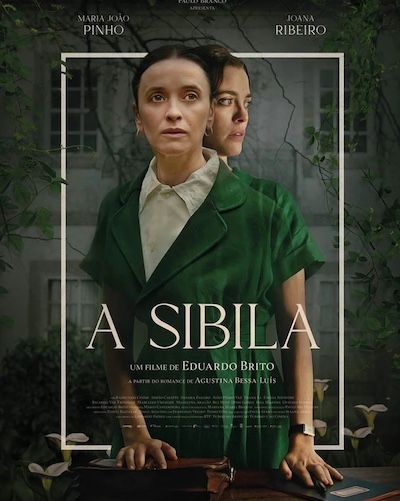
The adaptation of the eponymous novel by Agustina Bessa-Luís portrays the relationship between a young writer and her aunt, vibrant characters inspired by real people, living in the northern Portuguese countryside in the mid-20th century.Read More »