Poland

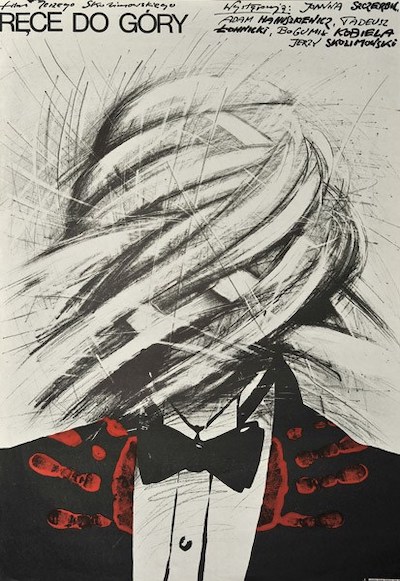
  • Jerzy Skolimowski – Rece do góry! AKA Hands Up! (1981)

    1981-1990ExperimentalJerzy SkolimowskiPolandPolitics

    PLOT: HANDS UP! is a Polish drama film directed by Jerzy Skolimowski. It is the fourth of a series of semi-autobiographical films in which Skolimowski himself plays his alter ego, Andrzej Leszczyc. The film was originally made in 1967 in monochrome. In a twenty minute section (filmed in colour) added by Skolimowski in 1981 he explains how the original was withheld by Polish censors of the time, and that this was a principal cause of his leaving his country; however following liberalisation in Poland, he was invited to resuscitate it. The introduction includes, apart from some fictional apocalyptic passages, shots of Beirut ruined by the civil wars of the 1970s, where Skolimowski is working as an actor on Volker Schloendorff’s German film CIRCLE OF DECEIT, and also shots of London featuring demonstrations in favour of Solidarnosc, Speaker’s Corner, and an exhibition of Skolimowski’s own paintings. These sections include cameo roles by Bruno Ganz, David Essex, Mike Sarne and others. Some of the music in this introduction is from the 1970 choral work « Kosmogonia » by the Polish composer Krzysztof Penderecki.Read More »
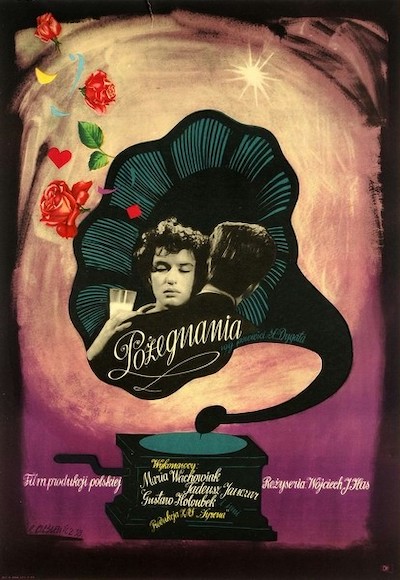
  • Wojciech Has – Pozegnania AKA Farewells (1958)

    1951-1960DramaPolandRomanceWojciech Has

    Quote:
    Pawel and Lidka are from different worlds but they somehow meet each other in a night club. He’s a young lad from a wealthy family, she’s an attractive dancer. They fall in love and go out of town but their happiness doesn’t last long.Read More »

  • Janusz Kijowski – Kung-fu (1979)

    1971-1980DramaJanusz KijowskiPoland

    “Kung-fu”. One of the genre-defining works of the cinema of moral concern. A group of friends, who drifted apart after March 1968, gets back together again to help of them, after he gets in trouble with the higher ups at work. The friends’ help brings results.
    Awards: 1979 – Polish Film Festival, Gdańsk, best directorial debut; 1980 – 33rd International Film Festival, Locarno, FIRPESCI award; 1981 – Film magazine’s “Golden Camera” for the best film dealing with contemporary issues in 1980.Read More »

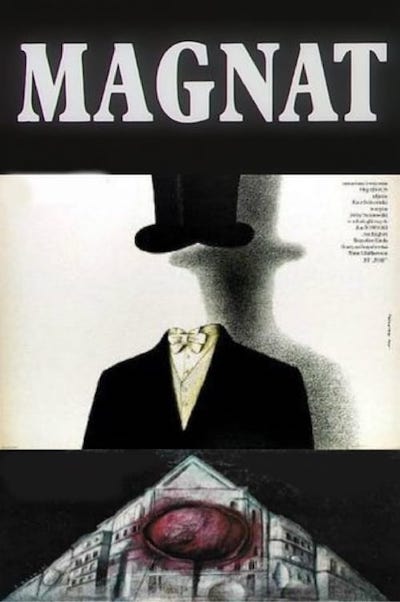
  • Filip Bajon – Magnat AKA Magnate (1987)

    1981-1990DramaFilip BajonPoland

    Quote:
    Film traces the fascinating saga of princely Polish dynasty in years 1900-1935. In 1900 Prince Hans von Teuss entertains Emperor Wilhelm II with a bison hunt at his palatial residence. He finds out many years later that his wife was emperor’s lover and divorces her. In the ’20s, during the Silesian uprisings, Prince’s son Konrad befriends foreman’s son. In 1932, the Prince, now married to younger Marisca, becomes paralyzed and confined to wheelchair. His diabolical elder son takes over the ruined estate and unknown to his father becomes associated with Hitler’s supporters.Read More »

  • Michal Krzywicki – Dzien, w którym znalazlem w smieciach dziewczyne AKA The Day I Found a Girl in the Trash (2021)

    2021-2030DramaMichal KrzywickiPoland

    In the near future, the indifferent activist announces that he will commit suicide at midnight on New Year’s Eve in protest against the reigning slavery in Poland. His plan is questioned when he finds an abandoned slave girl in the garbage and decides to help her regain her freedom.Read More »

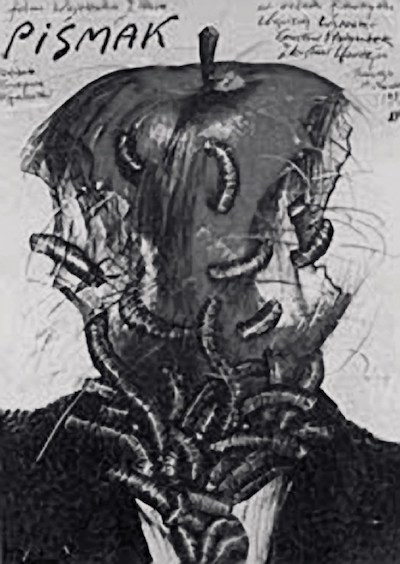
  • Wojciech Has – Pismak AKA Write and Fight (1985)

    1981-1990DramaPolandWojciech Has

    Set during the World War I in a prison cell. A newspaper satirist, a safecracker and a clerical murderer have been loaded into a common cell until the investigation into their supposed crimes has been finished. The journalist takes copious notes on the situation hoping to publish them later as a novel. The writer catches typhus and in his feverish delirium is no longer able to distinguish between the reality and fantasy of his writing.Read More »

  • Kuba Mikurda – Love Express. Zaginiecie Waleriana Borowczyka AKA Love Express. The Disappearance of Walerian Borowczyk (2018)

    Kuba Mikurda2011-2020DocumentaryPoland

    Quote:
    How does a filmmaker go from creating cutting-edge work and competing in Cannes to being labelled a failed erotic filmmaker? The debut documentary feature from Polish critic and academic Kuba Mikurda investigates the work of Walerian Borowczyk, a director of unparalleled creativity & sensitivity, revered in the 1970s for creations including Goto, Island of Love, The Beast, & Immoral Tales. The film interviews his closest collaborators, filmmakers, and leading intellectuals who put his work into perspective, including Bertrand Bonello, Neil Jordan, Patrice Leconte, Slavoj Žižek, Terry Gilliam and the late Andrzej Wajda.Read More »

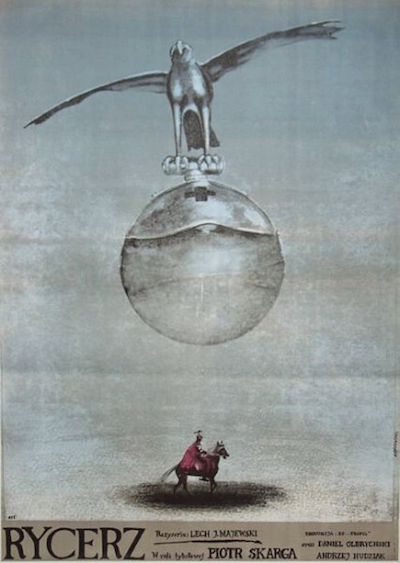
  • Lech Majewski – Rycerz AKA The Knight (1980)

    1971-1980DramaLech MajewskiPoland

    Quote:
    THE KNIGHT (RYCERZ), 1980. Poland.
    With Piotr Skarga, Daniel Olbrychski. A haunting, austere ballad about a knight’s quest for a gold-stringed harp whose sound is said to bring peace and harmony. The film’s imagery is inspired by medieval icons. 81 min.

    New York Film Festival
    London Film Festival
    Los Angeles Film FestivalRead More »

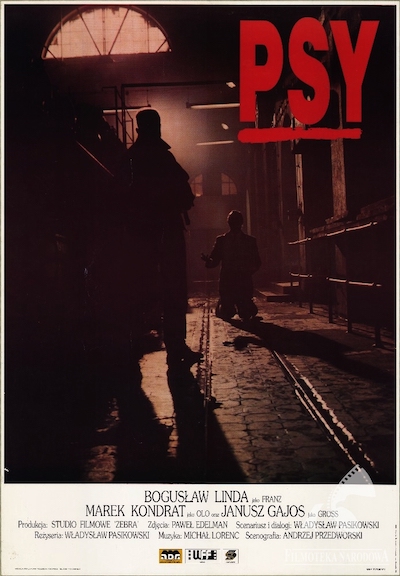
  • Wladyslaw Pasikowski – Psy AKA Pigs (1992)

    1991-2000ActionCrimePolandWladyslaw Pasikowski

    Quote:
    Franz (B. Linda), a former officer of the Security Service disbanded in 1990, after verification, joins the police together with his colleagues. Abandoned by his wife, the daughter of a former deputy minister, he became bitter and distanced himself even more from women and the state. Working as a cop, attempts to stop a gang of car thieves lead to a tragedy, his colleagues die. Franz turns to his former Security Service friend for help. Soon, it turns out that Olo (M. Kondrat) most likely works for the criminals. The friends find themselves on opposite sides of the barricade, Franz’s young mistress crosses the line too. A cult film by Władysław Pasikowski, which met the expectations of the Polish audience and made Bogusław Linda, an outstanding actor of the cinema of moral anxiety, an icon of Polish cinema of the transformation period. Read More »

Back to top button