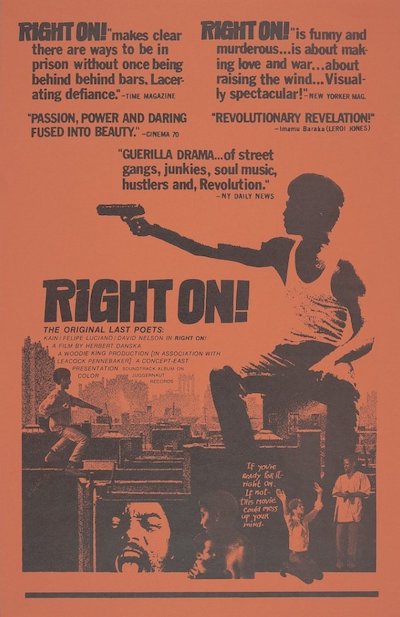
Quote: Filmed on the rooftops of lower Manhattan, this performance film features the original Last Poets performing 28 numbers adapted from their legendary Concept-East Poetry appearance at New York’s Paperback Theater in 1969. Described as “a conspiracy of ritual, street theater, soul music and cinema.”Read More »
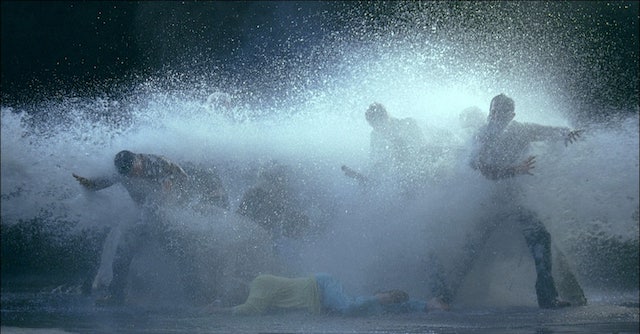
Nineteen people of varying age, race and sex gather in tight physical proximity, as a compact human mob, when without warning a gushing onslaught of water from both sides of the screen knocks them into one another and down to the ground.Read More »
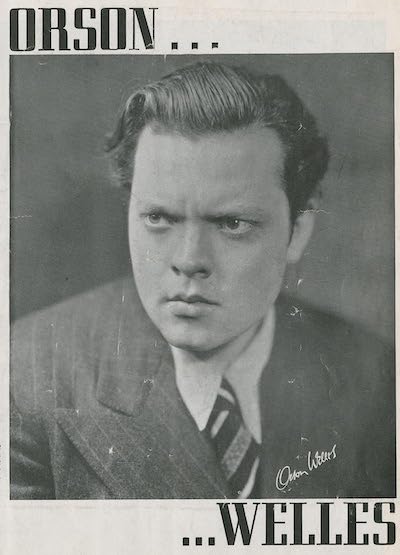
IMDB wrote: What does it take to make a good magician? A bunch of good illusions and a lot of charisma. Orson Welles knows a few tricks, and his charisma is incredible! Did you ever feel an actor is pushing you into your seat only by his sheer performance? Welles did so, especially during his first trick.Read More »
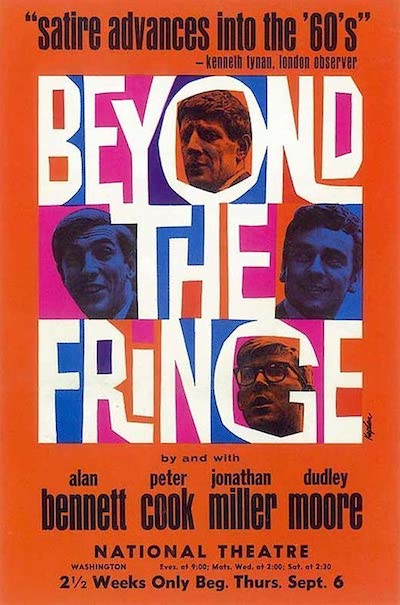
Synopsis A TV version of the stage show originally performed at the Edinburgh Fringe (August 1962) and in London (Fortune Theatre, May 1961) and Broadway (October 1962).Read More »
The Dead Class (1975), by Tadeusz Kantor and the Cricot 2 company, is considered one of the most innovative and influential works of twentieth-century theatre. The breakthrough first version of the production – performed to great critical acclaim, but only rarely seen live by audiences outside Poland – was documented on film in 1976 by the Oscar-winning director Andrzej Wajda.Read More »
This is the new restoration of Yvonne Rainer’s Lives of Performers. Rainer’s debut feature film announced both her shift from the world of dance towards avant-garde cinema, and what would become a career-long interest in “women’s stories” and the teasing machinations of melodrama. The familiar tale of a man who can’t choose between two women and makes everyone suffer is reworked by Rainer as a jolting and radically austere, anti-illusionist spectacle, comprising dance rehearsals, photography, tableaux, and a flurry of fragments of text, both onscreen and not. Off-camera, multiple voices can be heard—including that of cinematographer Babette Mangolte, who was at the time just beginning work with a young Chantal Akerman.Read More »
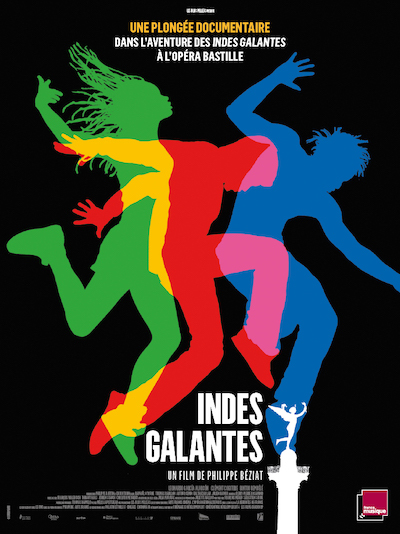
On the stage of Paris’s legendary Opéra Bastille, 30 dancers from non-traditional genres reprise and remix Jean-Philippe Rameau’s baroque masterpiece Les Indes galantes, offering a dynamic take on the landmark opera.Read More »
Quote: A performer faces a seated audience. Behind the performer, covering the back wall (parallel to the frontal view of the seated audience), is a mirror reflecting the audience.Read More »