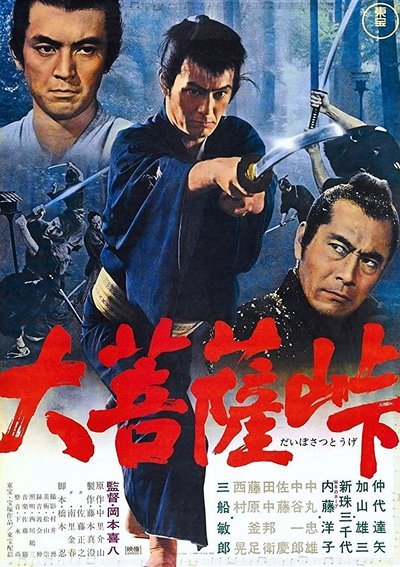

Quote:
Through his unconscionable actions against others, a sociopath samurai builds a trail of vendettas that follow him closely.Read More »
Quote:
Through his unconscionable actions against others, a sociopath samurai builds a trail of vendettas that follow him closely.Read More »
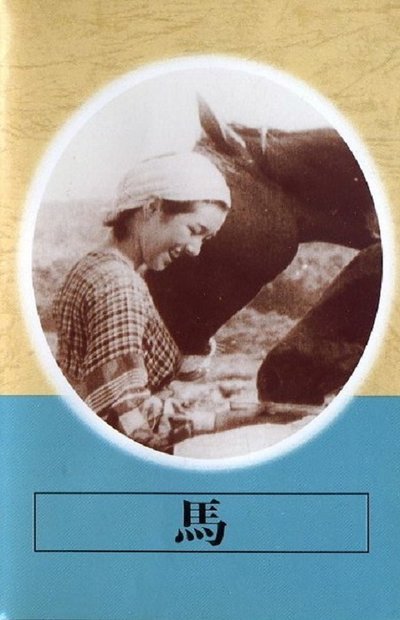
The story of the film is simple: A young girl in the countryside raises a young horse and develops a deep relationship to the animal. But the war is becoming part of life, so in the end she has to sacrifice her horse and sell it to the military.Read More »
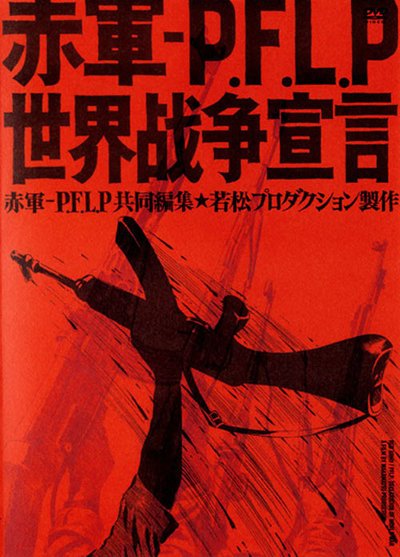
Quote:
It was a milestone of film as activism, cinema as movement in Japan’s context. Adachi and Wakamatsu went to Beirut on the way back from the Cannes Film Festival. There, in collaboration with the Red Army members and PFLP, they produced this newsreel film depicting the everyday activities of Arab guerrillas as a cinematic narrative on the world revolution. Being a fusion of intense agitation and the ‘landscape theory’ approach inherited from “Aka. Serial Killer,” the film was conceived as a new form of news report, and was discussed in synchronicity with J-L Godard’s Dziga Vertov Group and the revolutionary films of Latin America, transcending geographical distances.Read More »
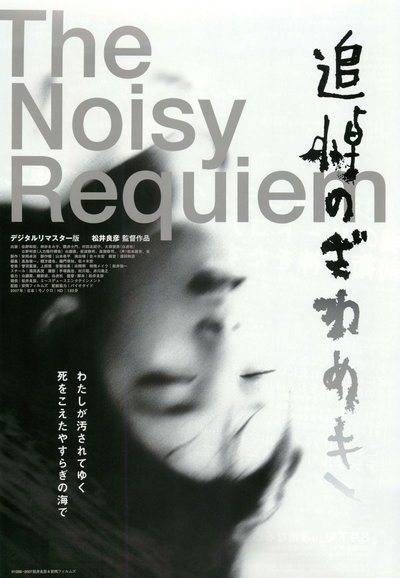
Makoto, a youth bound to the slums of Osaka, murders brutally and often, hoarding the entrails he collects atop his rooftop shelter.Read More »
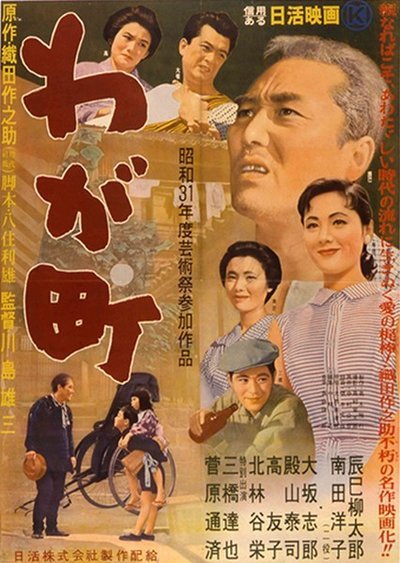
In 1906, after finishing a tough migrant job in the Philippines, Takichi has returned to Japan. He starts to work as a rickshaw driver, but his lover had died of an illness, leaving a baby girl, Hatsue. Hatsue grows up beautifully and falls in love with Shintaro. But Takichi objects to their relationship…Read More »
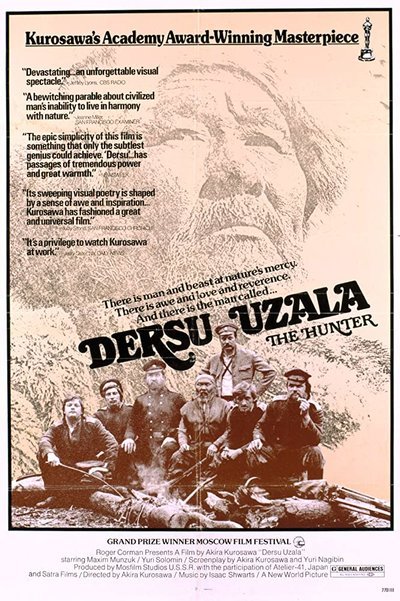
Synopsis:
A military explorer meets and befriends a Goldi man in Russia’s unmapped forests. A deep and abiding bond evolves between the two men, one civilized in the usual sense, the other at home in the glacial Siberian woods.Read More »

As the protests at Sanrizuka transformed, Ogawa began looking for other subjects. He eventually moved to Yamagata, but considered other subjects like this one: the brutal Kotobukicho district of Yokohama. Only 250 meters on a side, it was home to 6,000 people living in 90 run-down flophouses. This was where day laborers live and die on the streets. Following the method they developed in Sanrizuka, Ogawa’s crew lived with the workers, tenderly filming the trials of their daily lives. It is a touching and heartrending film.Read More »
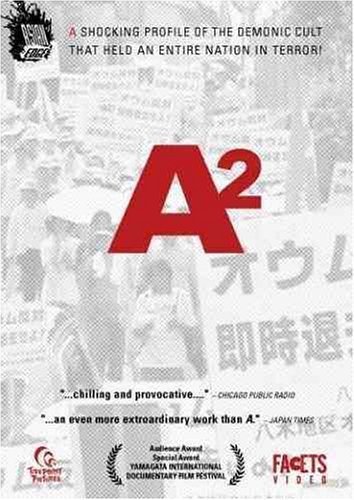
Documentary filmmaker Tatsuya Mori continues the story of the notorious Aum Shinrikyo cult in this provocative follow-up to his critically acclaimed A. With Aum leader Shoko Asahara on trial for his role in the 1995 poison gas attack in the Tokyo subways, his followers struggle to maintain their beliefs and doctrines. Despite a name change and a shake up in leadership, the cult suffers from verbal and physical assaults by media, police, and ordinary Japanese citizens. Broader in scope than A, this sequel continues to chronicle the inner workings of this elusive cult while revealing the dark side of contemporary Japan.Read More »
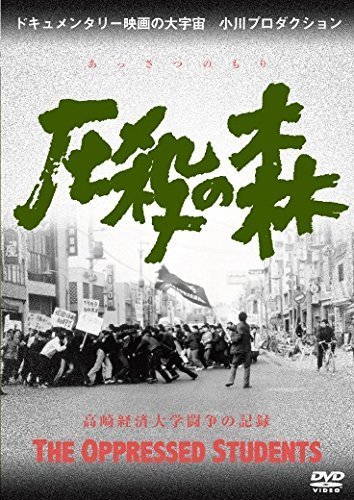
Quote:
After SEA OF YOUTH, the film team turned itself into a full-fledged collective: the Independent Screening Organization, or Jieso for short. This was the precursor to Ogawa Productions, and as the name indicates their focus was on reception. This was because they discovered there was no easy way to show SEA OF YOUTH. Jieso networked social movements and film fans across Japan to create an alternative distribution route. Their next film, FOREST OF OPPRESSION, turns to the phenomenon of students barricading themselves inside schools to various political ends. They chose Takasaki City University of Economics, and audiences were shocked by the vigor and violence of this protest in such a minor university. The film put Ogawa on the map.Read More »