

No description available anywhere, sorryRead More »
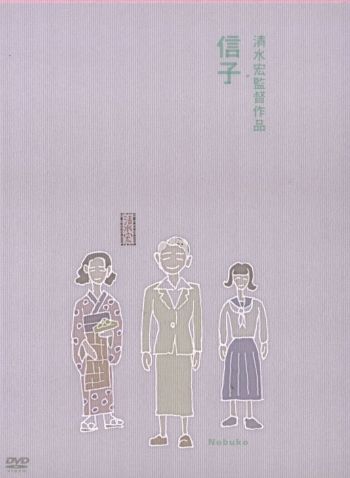
Synopsis:
Renowned actress/singer Takamine Mieko stars as titular heroine Nobuko, a spirited young teacher working in a conservative school. Based on a novel by Shishi Bunroku, the film follows her experiences as she challenges the school with her liberal thinking and teaching methods.Read More »

Quote:
SEA OF YOUTH was Ogawa’s first directorial effort. After leaving Iwanami Productions along with most of his cohort, he struck an unusual path. He gathered young activists together to make an independent documentary on the plight of correspondence students. The film features the group itself as they plot their activism. Many of the onscreen personalities would become core members of Ogawa Productions. The film met only mild success in fundraising, so they completed it by selling off books and blood.Read More »

Description from Tōei’s Website :
“Retirement is like holding your own funeral while you’re still alive…”
So goes the startling first line of Makiko Uchidate’s best-selling novel, which has now become a major motion picture!
Uchidate is perhaps best known as a prolific screenwriter of numerous hit television shows, including the Japan Broadcasting Corporation (NHK) epic period drama series “Mouri Motonari” (1997) and morning drama serial “Hirari” (1992-1993). For her 2015 novel “Owatta Hito,” she expressed the sorrow of a man who comes to the end of his elite corporate career, and captured the imaginations of countless readers.Read More »

In this autobiographical documentary, filmmaker Naomi Kawase seeks to reach her mother and father who abandoned her at birth.Read More »

Quote:
BAM/PFA (Berkeley Art Museum & Pacific Film Archive) wrote:
In this film of the furusato genre, Isako Nakazato returns to the Tsugaru fishing village where she grew up, bringing with her Iwashiro, a gangster who has been marked for a hit. The two decide to start a new life together in the village, learning from the wisdom of the fishermen, the blind musicians and the other villagers who have made them welcome.
Koichi Saito has made several films on similar themes, in which his protagonists are outsiders, often criminals, seeking redemption through love and acceptance into a new community.Read More »

Quote:
Eburi is a 36 year-old man. Nothing enthuses him any more. While being drunk, he promises to contribute a story to a magazine. When he sobers down, he decides to write about the life of a salaried employee like himself who is very ordinary, not particularly talented.
The following is his story:
In 1949, Eburi gets married to Natsuko. His monthly salary is 8,000 yen and hers 4,000 yen. Therefore, both have to work to support themselves. Eburi has developed a habituIl tendency to pester around when he gets drunk. One year after their marriage, son Shosuke is born. In 1959, Eburi’s mother dies in despair of her husband who has become listless due to the several ups and downs of gaining big profits and going bankrupt. His father is still alive and Eburi is enable to find a way to pay his father’s debts.Read More »

Captain Inouye is a music lover and he taught his unit to sing. One of his soldiers, Mizushima, learned to play harp to accompany the chorus of his comrades, discovering a gift unknown to himself before war. The music will save the company when Japan surrenders but now the country and its soldiers has to split his spirit in two: either accept, either refuse… either live, either die… but the film finds even more subtle separations, as if receiving like the burman soil it begins and ends with all the scars and tugs of postwar Japan.Read More »

Synopsis
The Kitao family is coping with the loss of the eldest daughter, Chizuko, who was killed in a freak accident the year prior. When the other daughter Mika is suddenly in a dangerous situation, Chizuko returns as a ghost to save her; reunited with her sister, Mika begins spending time with Chizuko again.Read More »