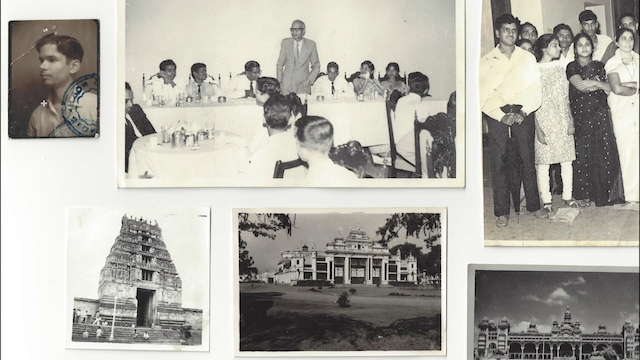
Sanzgiri’s father was 18 when India ousted the last remaining Portuguese colonisers from Goa in 1961. Combining 16mm with drone footage, desktop screenshots, and Skype interviews with his father, Sanzgiri utilises various modes of seeing at a distance to question identity, the construction of memory and anti-colonial solidarity across continents.Read More »
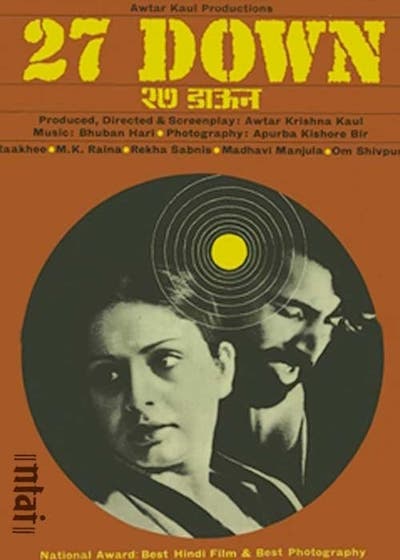
SYNOPSIS Sanjay wanted to study art, but his domineering father, an engine driver in retirement after a crippling injury, insisted that a railway job, with its security, was the best thing for him. So Sanjay ended up as a train conductor, unhappy with the career forced upon him, and the mechanical, meaningless life that he lives. In the course of his duty on the train, he runs into a working girl, Shalini and feels attracted to her. His father hears about his interest in Shalini, strongly disapproves of it and intervenes in Sanjay’s life once again. Unable to stand up to his father, Sanjay soon finds himself married to a village girl. Life becomes even more unbearable for Sanjay. He takes to wandering and seeks comfort in drink and brothels. One final chance comes his way to break loose from his shackles and plan a new life with Shalini…Read More »
Quote: Director Rahul Jain presents an intimate, observantly portrayal of the rhythm of life and work in a gigantic textile factory in Gujarat, India. Moving through the corridors and bowels of the enormous and disorientating structure, the camera takes the viewer on a journey to a place of dehumanising physical labor and intense hardship, provoking cause for thought about persistent pre-industrial working conditions and the huge divide between first world and developing countries. Since the 1960s the area of Sachin in western India has undergone unprecedented, unregulated industrialisation, exemplified in its numerous textile factories. MACHINES portraits only one of these factories, while at the same time representing the thousands of labourers working, living and suffering in an environment they can’t escape without unity. With strong visual language, memorable images and carefully selected interviews of the workers themselves, Jain tells a story of inequality and oppression, humans and machinesRead More »
Aashad Ka Ek Din is an adaptation of the play that is based on Kalidasa’s life in three acts. Kalidasa is renowned as one of the greatest writers, poets and dramatists in the history of Sanskrit language.Read More »
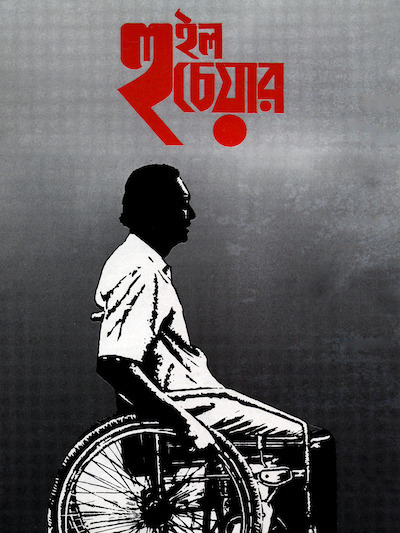
Sushmita is paralysed below her neck while escaping a rape attempt. She is admitted to a private nursing home for neurological handicapped patients run by Dr. Mitra, himself a paraplegic. Here she meets a wide variety of patients. Her case is handled by a young physiotherapist Santu, who works hard and soon she can move her fingers. During the process. Santu and Sushmita fall in love but she won’t hear of marriage till Santu tells her that they can live a normal married life and have children. Santu very dramatically convinces her that she can even work in an office.Read More »
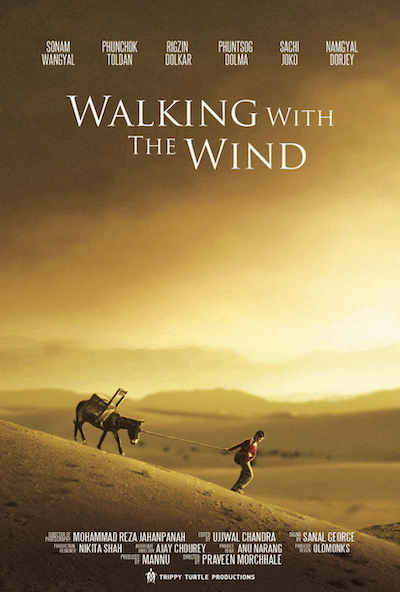
Quote: 10-year-old Tsering lives in the Himalayas. One day he accidentally breaks his friend’s school chair. When he decides to bring the chair back to his village, the seven kilometres long journey back home in mountainous landscape on a donkey, becomes even more arduous than usual.Read More »
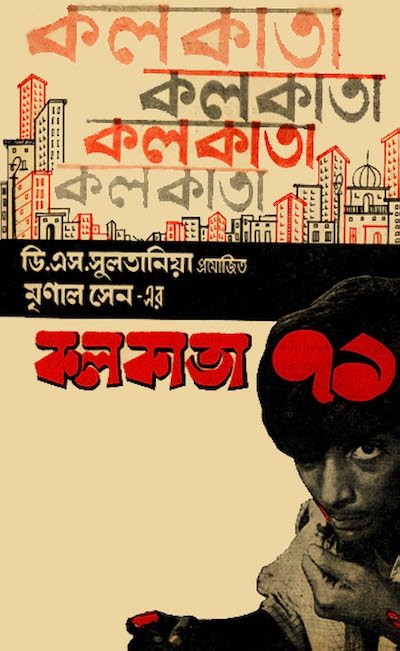
Quote: An angry young man on trial in 1971,a rainstorm in a slum in 1933,a lower-middle-class family during the 1943 famine,teenage smugglers in 1953 and a middle-class group in a posh hotel in 1971.Read More »
A dispute between brothers spans across two generations.This is part 1 of a 2 part period drama. Part 1 shows the brothers Baahubali and Bhallaladeva fight for the throne to Mahishmathi Kingdom.Read More »