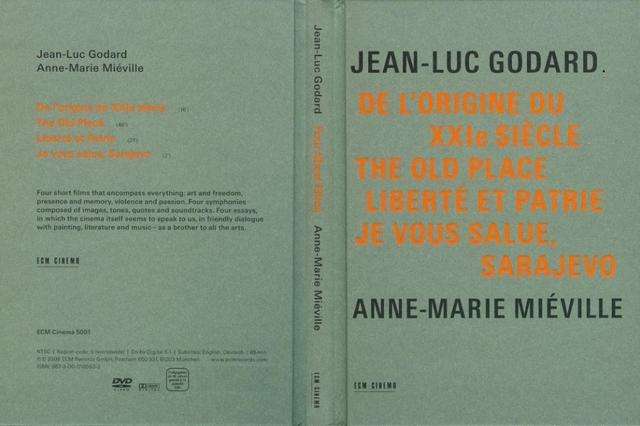
4 Short films by Jean-Luc Godard and Anne-Marie Miéville.
Read More »
4 Short films by Jean-Luc Godard and Anne-Marie Miéville.
Read More »


Gregoire Canvel has everything a man could want: a wife he loves, three delightful children and his dream job – he is a film producer. Discovering talented filmmakers and developing films that fit his conception of the cinema, free and true to life, is precisely his reason for living. Gregoire devotes almost all of his time and energy to his work. Although he spends weekends with his family at their house in the country, even these precious moments are regularly interrupted by demanding directors and concerned investors. While Gregoires very presence commands admiration, and his exceptional charisma lead many to believe he is invincible, the future of his prestigious production company, Moon Films, is in doubt; too many productions, too many risks, too many debts. Storm clouds are gathering, and Gregoires realisation that he may have made one gamble too many will trigger a series of events that will change the lives of his family forever.Read More »

Synopsis
Adaptation of Zola’s novel about 18th-century French coal miners going on strike to fight for better conditions.Read More »
No IMDB entry
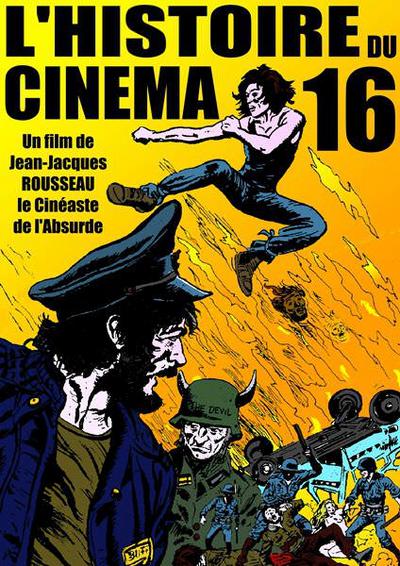
Synopsis :
Jean-Jacques Rousseau has just finished his last film, shot in unworthy conditions. He is preparing to show it to the movie critics of a local newspaper. The filmmaker launches the first images but these reveal all the problems that a non-professional filmmaker may encounter.Read More »

New York 2095. In a strange pyramid floating in the sky, the gods of ancient Egypt are judging Horus. In the city, a young women with blue hair and tears is arrested, but she has a secret power, even to herself..Read More »
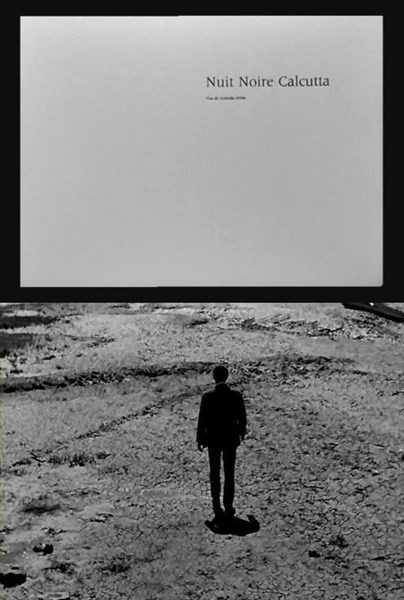
Nuit Noire, Calcutta is the story of a writer, Jean (Maurice Garrel), who has come to the coast to complete a novel about the french vice consul in Calcutta. He does not find his task an easy one, and he struggles throughout to find adequate words for his story. Convinced, as he puts it, that the words do exist somewhere, he is shown repeatedly working on his manuscript, deleting sentences, or tearing pages in frustration. In the process he empties several bottles of whisky (hence the connection with the theme of alcoholism). As he writes, there is a story unfolding in the outside world that seems to parallel the one he is inventing, although it is not clear which of these is mirroring the other. The two series of events refuse to converge; but this enables the film to explore the ironical,metaphorical relationship between the imagenery, speculative world of Callcutta and the dunes and mudflats of the Seine estuary at Ouistreham.Read More »
Quote:
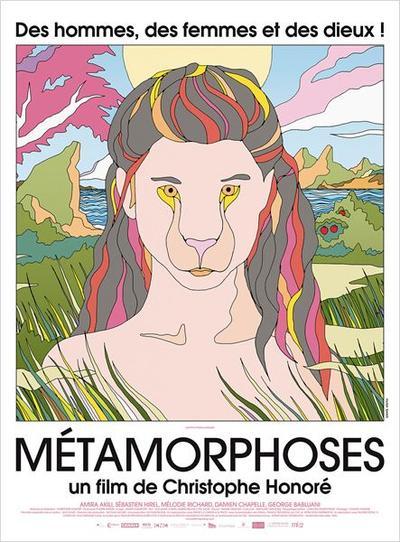
One of France’s most unpredictable writer-directors, Christophe Honoré (Dans Paris, Love Songs) offers an audacious, erotically upfront re-reading of Ovid’s Metamorphoses, enacted by a fearless cast of (largely unknown) young actors in contemporary French settings. Kicking off with a startling take on the story of Diana and Actaeon, Honoré’s film follows the wanderings of Europa (Akili), a high-school student who encounters a marauding truck driver – none other than Jupiter (Hirel), father of the gods. Streams of stories within stories bring the old transformation myths a modern-day slant – Narcissus as an arrogant teenage heart-throb, Orpheus as a charismatic housing-estate preacher – and add a multi-racial, polysexual perspective, teasing out the perversity, violence and rapture of classical legend. You may detect shades of Borowczyk, Pasolini, Rohmer and Derek Jarman’s Sebastiane, but this savage, rhapsodic, moving film is something entirely its own. A fabulous soundtrack completes the wayward beauty –BFIRead More »
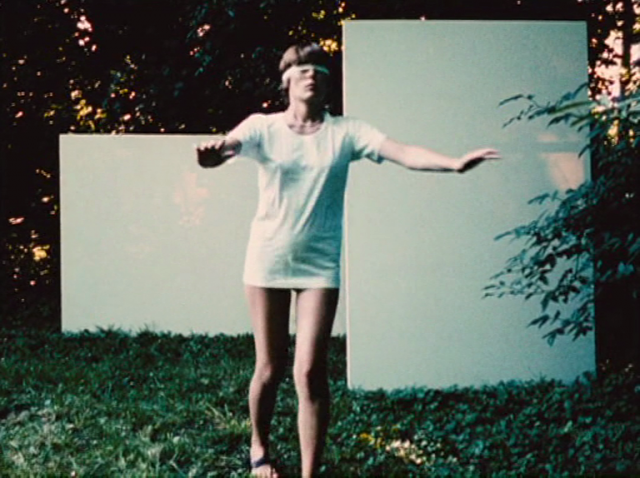
He was part of the french underground from the late 60’s to begging 80’s. He was related to directors such as Philipe Bordier, Jean-Pierre Bouyxou, Marcel Hanoun, etc. His early stuff is quite political (maoïst), and then his cinema tends towards psychoanalysis.
Quote:
Patrice Enard’s ‘Pourvoir’ is a film mainly comprised of images of women in nature, his style is stark and repetitive, shots are angular, which both hide and reveal. There is though a visual poetry to his work – once the smoke dissipates, a sexual liberation emerges, with subtle flourishes in the staging and editing threaded together by Marxist and Freudian discourses.
Enard was as much an academic and critic as he was a filmmaker, his work is at times highly theoretical, emerging out of his interests in psychoanalysis. Pourvoir is his longest work.Read More »
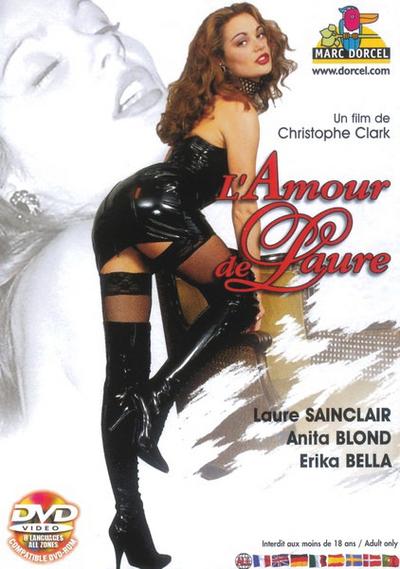
Venus, the Roman goddess of love, visits present day Budapest to strengthen intimate relationships between men and women.Read More »